Iron Door Cost in Woodland Hills, California Explained

Modern Iron Front Doors for Woodland Hills, California Homes
December 5, 2025
Door Installation Cost in Woodland Hills, California Explained
December 10, 2025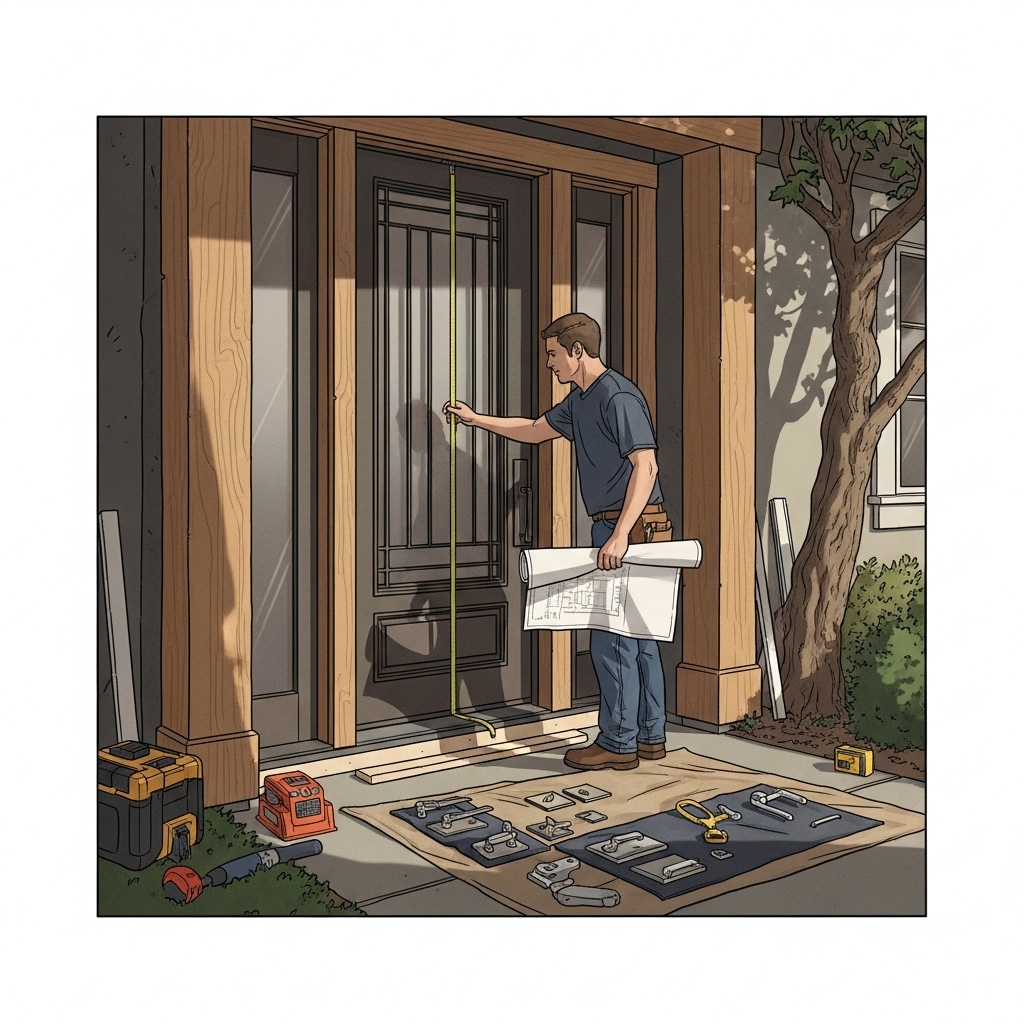
Ask around Woodland Hills about upgrading a front entry, and you’ll hear iron doors mentioned again and again. They stand up to our warm summers, carry a strong silhouette, and set a welcoming tone. If you’re exploring the financial side of the decision, it helps to understand what really drives cost—where money is well spent, where it can be saved without regret, and how choices you make today shape long-term value. While we won’t discuss specific numbers, we can map the landscape so you make a confident, informed choice. Along the way, seeing a range of thoughtfully built iron doors can help you connect design ideas with the realities that shape the final investment.
Think of an iron door as a system rather than a single component. The frame, the slab, the glass, the hardware, the finish, and the installation environment all interact. The more clearly we define those pieces up front, the more accurate your expectations become—and the better the door serves you once it’s in place.
Design complexity and its impact
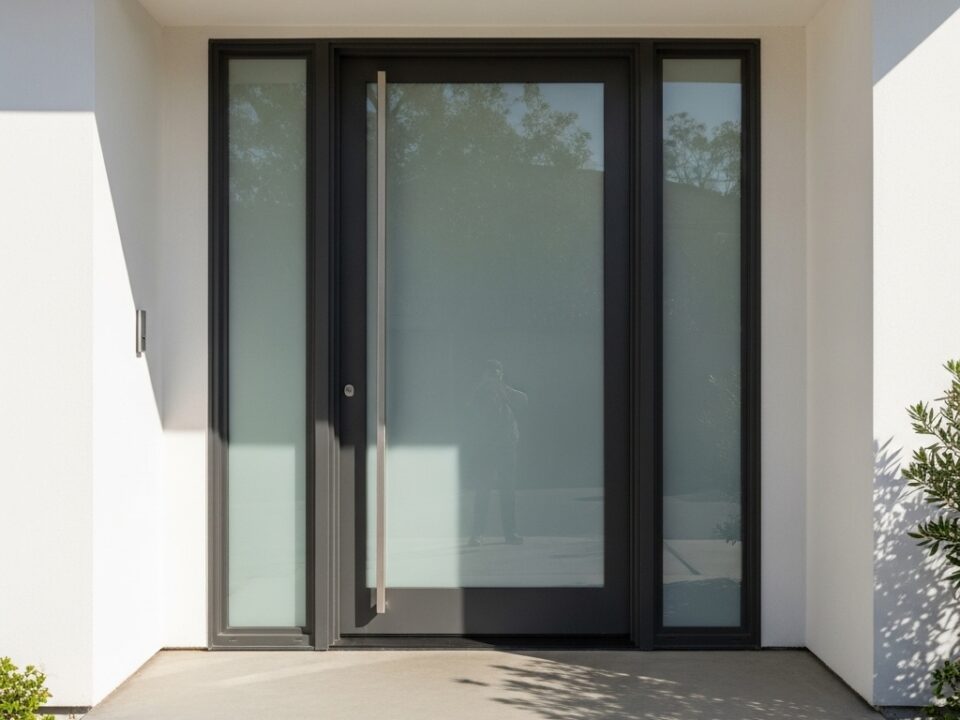
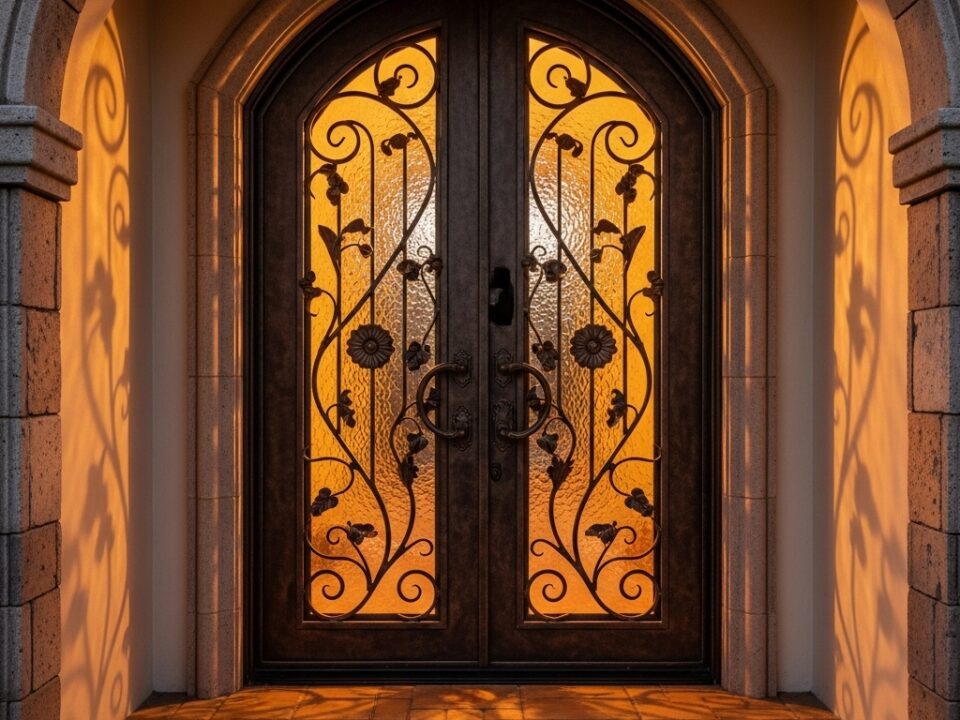
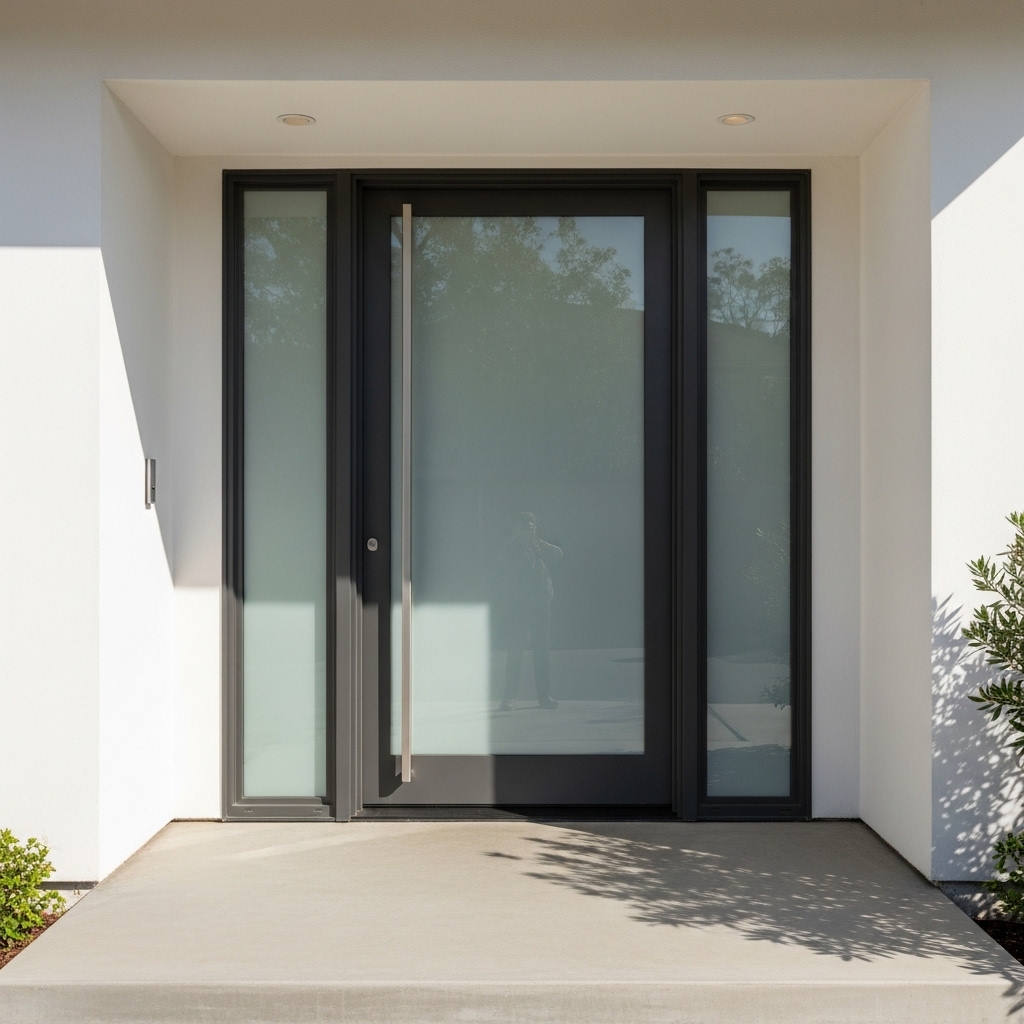
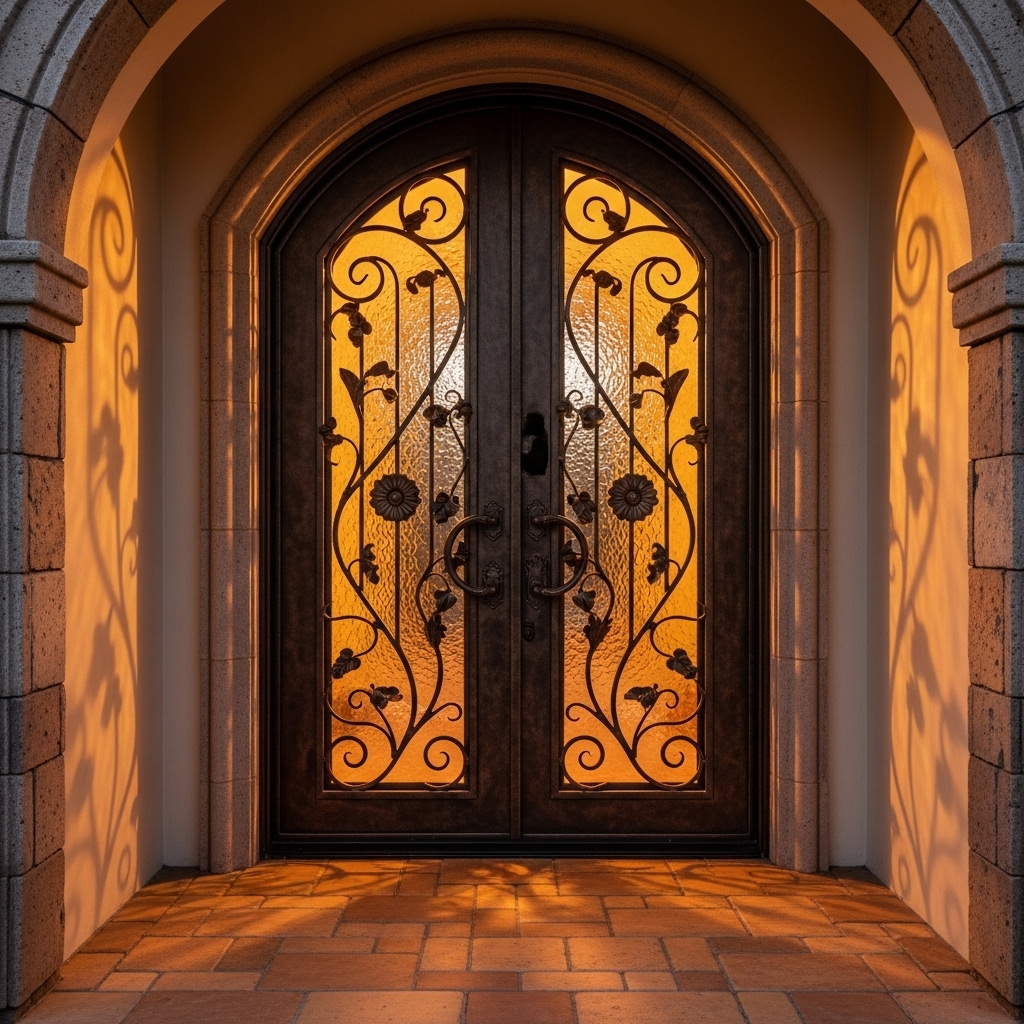
Design is often the first driver. A clean, modern profile with large glass fields and minimal mullions is elegant and efficient to fabricate. Highly decorative scrollwork, collars, hand-forged accents, and layered motifs require more time and skill, which influences the overall investment. That doesn’t mean elaborate designs aren’t worth it; it means they should be chosen intentionally, where the architecture and your personal style justify the added craftsmanship.
Size, configuration, and presence
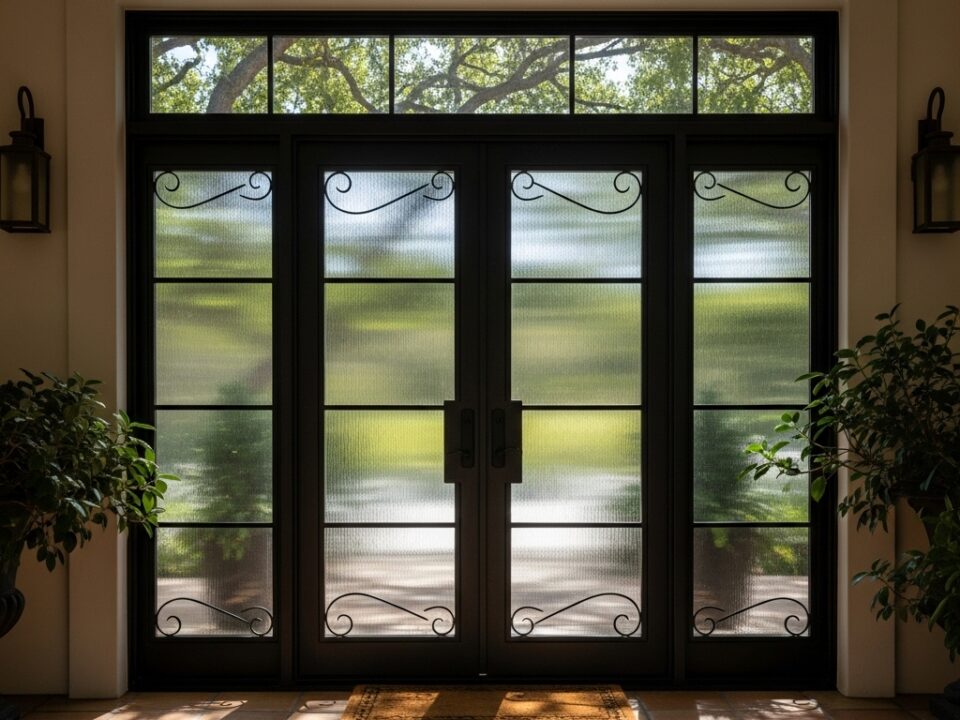
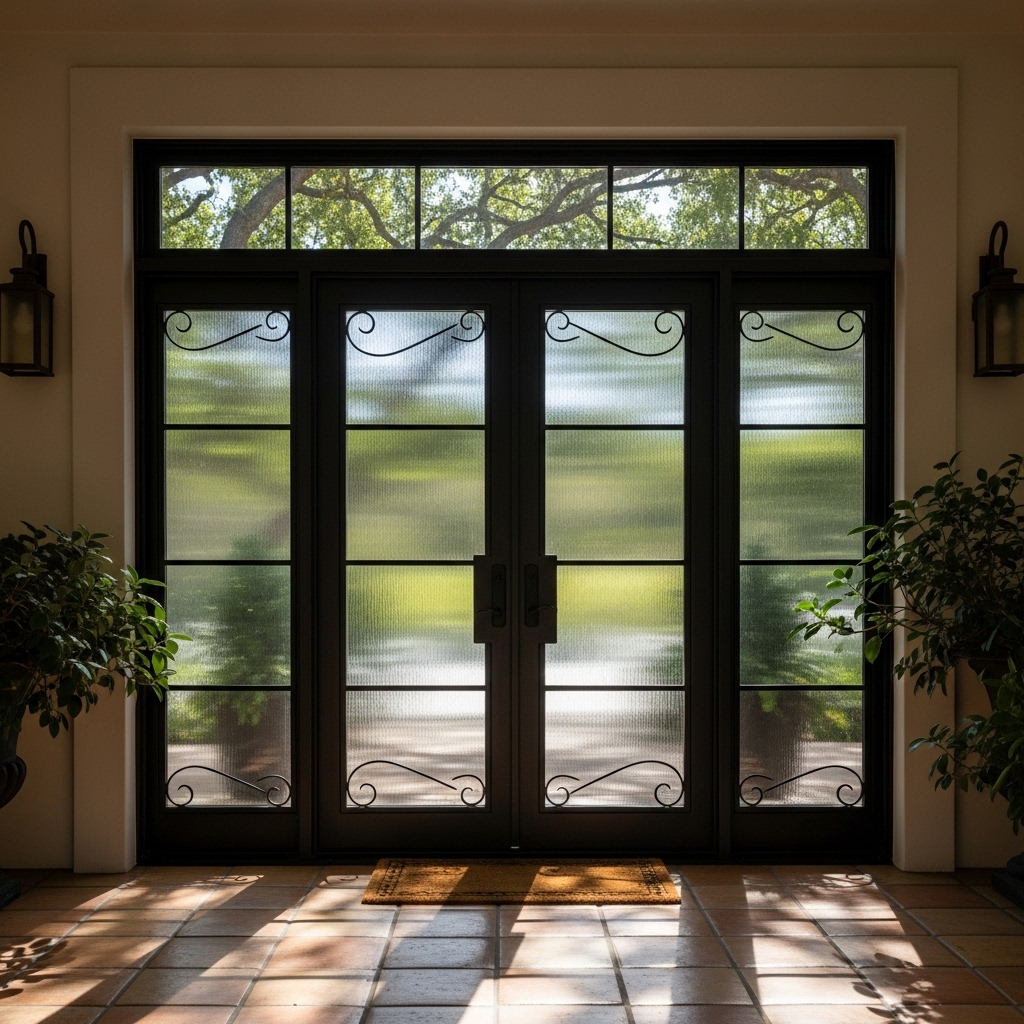
Scale matters in Woodland Hills, where entries range from modest porches on ranch homes to soaring, double-height facades. A single door is direct and composed; a double door amplifies presence and eases entertaining. Add sidelights and transoms, and the composition grows, bringing more glass, iron, and finishing into play. Taller units increase material and handling requirements. Determining the right scale for your architecture and lifestyle ensures you invest where it shows and feels best.
Glass choices: light, privacy, and performance
Glass influences cost through type and quantity. Insulated units are standard for comfort. Add Low-E coatings for heat control, laminated layers for security and sound management, and textures for privacy, and you improve performance and experience. The right combination depends on exposure—west-facing entries off Mulholland or Calabasas Road benefit from more heat moderation; shaded streets can prioritize clarity. Operable glass panels introduce functionality that many homeowners love for ventilation, with a corresponding effect on budget.
Finish quality and longevity
Finish is both protection and expression. A robust system—thorough prep, primer, and UV-resistant topcoat—extends the door’s handsome life. Specialty finishes, such as hand-applied patinas or metallic accents, require additional steps and skill. Here, skimping can be a false economy. A durable finish resists fading and chalking through hot summers and keeps maintenance low, preserving the door’s appearance and your enjoyment over time.
Hardware: touchpoints that matter daily
Hardware quality affects cost and the experience every time you come and go. Multi-point locking improves security and door stability; premium handles and hinges bring precision and a satisfying hand feel. Coordinating interior levers, deadbolts, and finishes contributes to a cohesive design. Because these are the parts you touch daily, investing in dependable hardware typically yields dividends in satisfaction and longevity.
Site conditions and installation
Installation is where planning meets reality. Openings that are out of square, floors that slope, or stucco that needs repair introduce additional steps. Hillside lots common in Woodland Hills sometimes call for careful threshold detailing to manage water and ensure accessibility. Removing an old unit, addressing hidden framing issues, and integrating new flashing and sealing are part of a thorough process. A well-executed installation protects your investment by preventing problems that cost more to fix later.
Customization and coordination
Custom design is a pleasure because it results in a door that feels meant for your home. It also involves collaboration—sketches, revisions, and sometimes templates—to get every proportion right. Matching existing railings, gates, or window grids adds refinement but also coordination time. These efforts influence cost, but they also create a polish that’s obvious every time you arrive home.
Lead times and planning
Thoughtful iron doors aren’t pulled from a shelf. Fabrication schedules, finishing, glass orders, and hardware lead times all interlock. Planning ahead ensures your installation lands at the right moment—perhaps after exterior painting or just before a planned gathering. Compressing timelines can introduce rush charges or limit options, while a relaxed schedule opens the full palette of design and finish choices.
Total value vs. initial outlay
Homeowners often focus on the initial purchase, but the real measure of value is the total experience over years. A door that resists fading, closes smoothly every day, moderates heat, and greets guests with confidence pays you back continuously. Minimal maintenance and durable components protect that return. In real estate terms, curb appeal is immediate; in living terms, the daily pleasure of a well-made door is the quiet return you feel every morning and evening.
Common trade-offs and smart places to invest
Not every upgrade is essential on every home. On a shaded street, the highest level of heat-rejecting glass may be unnecessary; those dollars might be better spent on hand-finished hardware. On a busy road, laminated glass for sound control can be a wise priority. If your façade is simple, a well-proportioned single door with a transom might outperform a more elaborate but mismatched double set. The smart approach is to spend where your eye and hand will notice daily, and where your specific site conditions benefit most.
Maintenance and ownership
Ownership costs are about time and care. Wipe the frame, clean the glass, and check weatherstripping seasonally. Touch up any nicks before they invite oxidation. These small habits protect finishes and seals, elongating the door’s life and keeping it looking as composed as the day it was installed. When maintenance is straightforward, you keep the door at its best without feeling like you’re tending another project.
The Woodland Hills context
Our area’s character influences decisions. Afternoon heat, pockets of wind, and varied streetscapes suggest finishes and glass that meet the environment confidently. Many neighborhoods value cohesive facades; custom ironwork that echoes nearby details—window grids, balcony railings—wins favor because it looks inevitable. The better the fit with context, the more the door elevates not just your home, but the block’s visual conversation.
Mid-process clarity and course correction
As designs evolve, homeowners often refine ideas. A transom that seemed necessary may give way to taller doors for a cleaner line; a busier scroll may simplify to let the architecture lead. Reviewing samples on site, observing how afternoon light falls across the entry, and comparing inspiration images of iron doors bring clarity. Good projects welcome that refinement; it improves both result and value.
Working toward a confident decision
The most satisfying outcomes begin with a clear brief: what you want to feel at the threshold, how you live day to day, and which aspects of performance matter most. From there, we can assemble a package—design, glass, finish, hardware, installation plan—that matches your goals without overshooting in areas you won’t appreciate. The process should feel like a guided conversation, not a maze.
Frequently asked questions
Q: What affects the price most on an iron door project?
A: Design complexity, size and configuration, glass type, finish quality, hardware, and site conditions are the main drivers. Custom coordination and timeline considerations also play roles. Balancing these factors to suit your home and priorities leads to a wise investment.
Q: Is custom always more expensive?
A: Customization tailors the door to your architecture and lifestyle, which can influence cost, but it also prevents mismatches and rework. Many homeowners find that thoughtful customization saves frustration and supports long-term satisfaction.
Q: How can I manage my budget without sacrificing quality?
A: Focus spending where you’ll feel and see it daily—proportion, finish, and hardware—while selecting glass and decorative elements appropriate to your exposure and privacy needs. Avoid overbuilding features your site doesn’t require.
Q: What kind of maintenance should I expect over time?
A: Simple routines—cleaning glass, wiping the frame, checking seals—keep performance high. Promptly touching up nicks preserves the finish. With these habits, an iron door remains handsome and reliable for years.
Q: How long does the process take?
A: Timelines vary with design complexity and scheduling. Planning ahead gives you the full spectrum of options and a smoother installation window. Rushed schedules can limit choices, while thoughtful pacing produces the best outcomes.
Q: Will an iron door fit my neighborhood’s style?
A: Yes, when designed with context in mind. Echoing existing motifs and respecting scale creates a door that looks like it was always meant to be there, which is often appreciated in Woodland Hills neighborhoods.
If you’re ready to move from research to a plan tailored for your home, let’s talk through your goals, your architecture, and the way you live. We’ll shape an entry that looks right, works right, and feels right every day. For inspiration and a sense of possibilities, explore a curated selection of exceptional iron doors, then reach out to begin crafting the door that will welcome you home for years to come.