Decorative Iron Front Doors for Woodland Hills, California Homes

Wrought Iron Doors for Homes in Woodland Hills, California
December 5, 2025
Iron Doors With Glass Panels for Woodland Hills, California Homes
December 5, 2025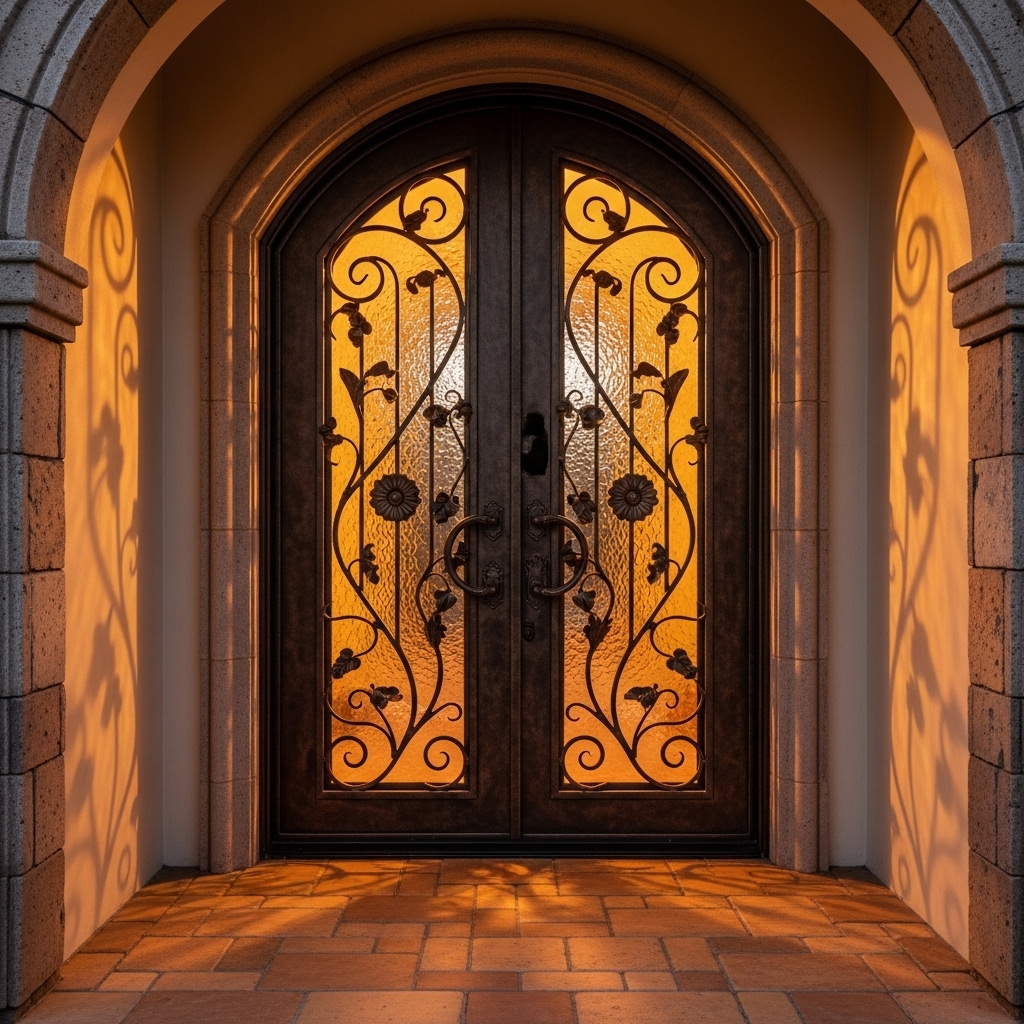
There’s a quiet art to arriving home in Woodland Hills. The late sun slides behind the Santa Monica Mountains, shadows stretch across curved driveways, and porch lights begin to glow. In that soft hour, a decorative iron front door does something remarkable: it transforms a threshold into a scene. The interplay of scrollwork and glass throws patterns onto stone pavers, the handle catches a hint of amber light, and the entire façade feels composed—like a favorite room turned outward to greet the neighborhood. If you’ve been thinking about elevating your entry, it’s worth seeing how expressive, beautifully detailed iron doors can align with both the architecture and the tempo of life here.
Decorative iron work is design language made tangible. Every twist, curve, and intersecting line can echo something else on your property—wrought railings, a balcony guard, a lighting motif, even the branching shapes of your shade trees. When those echoes line up, the home feels orchestrated rather than assembled. This is where a custom decorative door truly shines: it lets you weave a thread through the architecture so the eye travels naturally from the street to the threshold and inside.
What makes a door “decorative” in the best sense
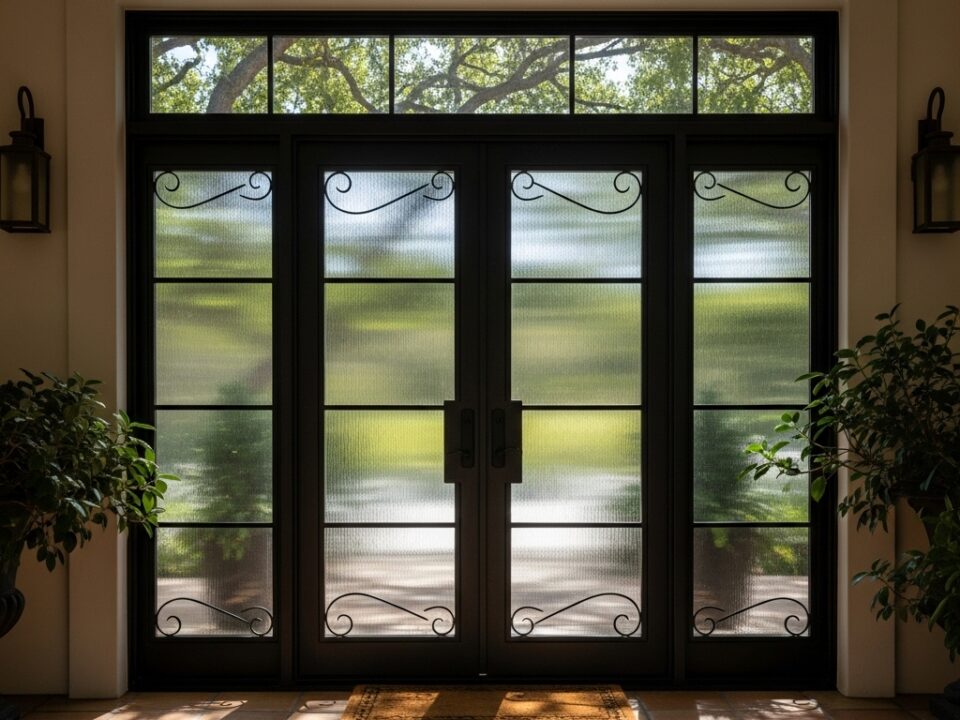
Decoration should never be excess for its own sake. The most successful doors are those where ornament is guided by proportion and purpose. In Woodland Hills, where homes range from classic ranch to Mediterranean revival and new contemporary builds, a decorative iron door can be as restrained or as lyrical as you want. The iron itself provides structure; the pattern provides feeling. Gentle C-scrolls create a sense of hospitality, geometric panels feel confident and modern, and vine-like motifs introduce a touch of romance. With the right hand, even the most elaborate designs retain clarity and calm.
Reading your home’s architecture
Before sketching a single curve, it pays to read your façade. Are your lines primarily horizontal, as on a mid-century ranch? A decorative grille with long, elegant bars will reinforce that calm. Does your entry arch soar above terracotta pavers? A softer, looping pattern with occasional rosettes might be ideal. On hillside lots with tall, narrow approaches, vertical emphasis can correct visual compression, while generous glass opens the experience. The design becomes a conversation partner to the house rather than a competing voice.
Light as the co-designer
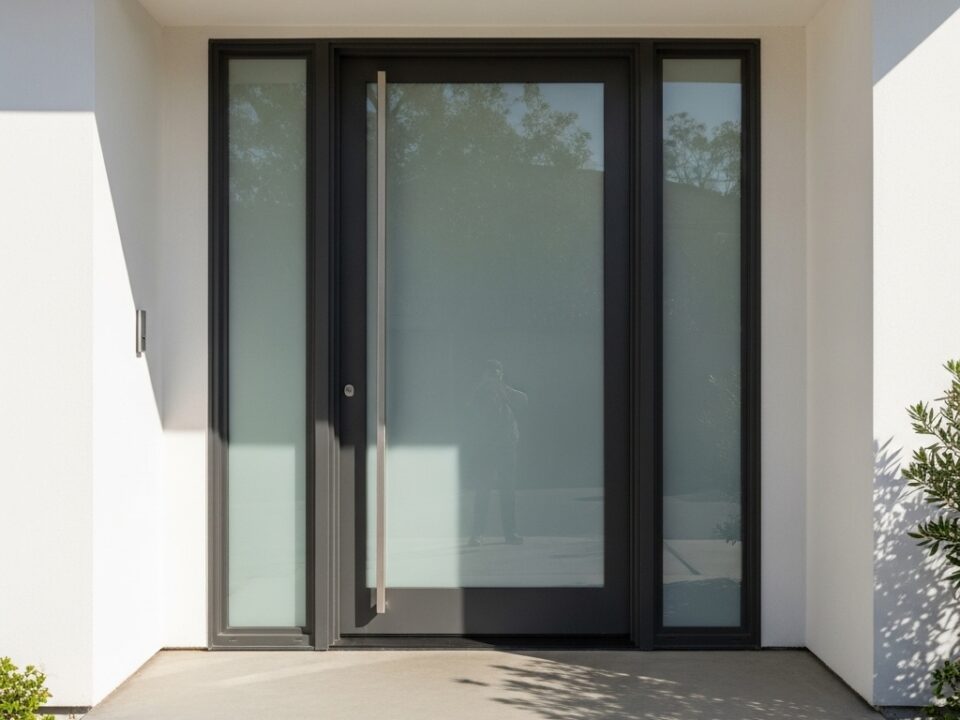
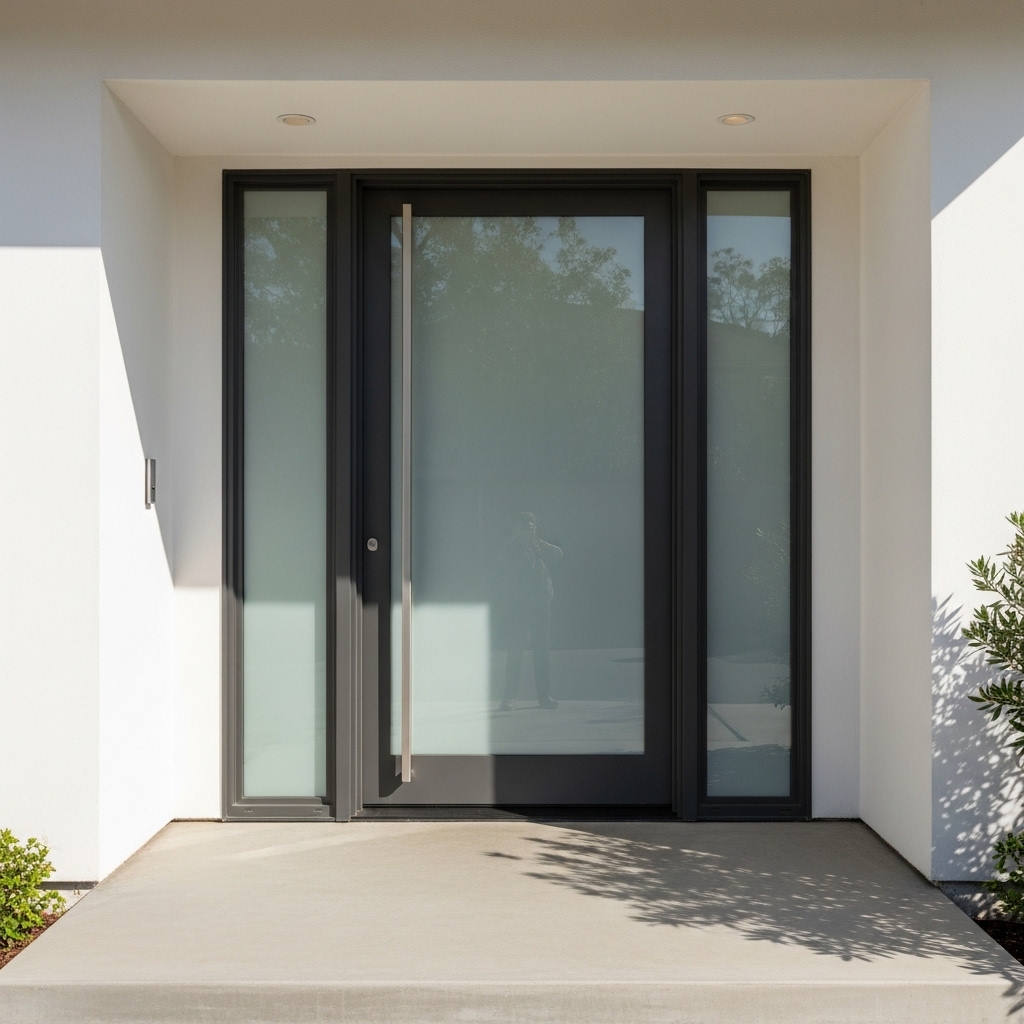
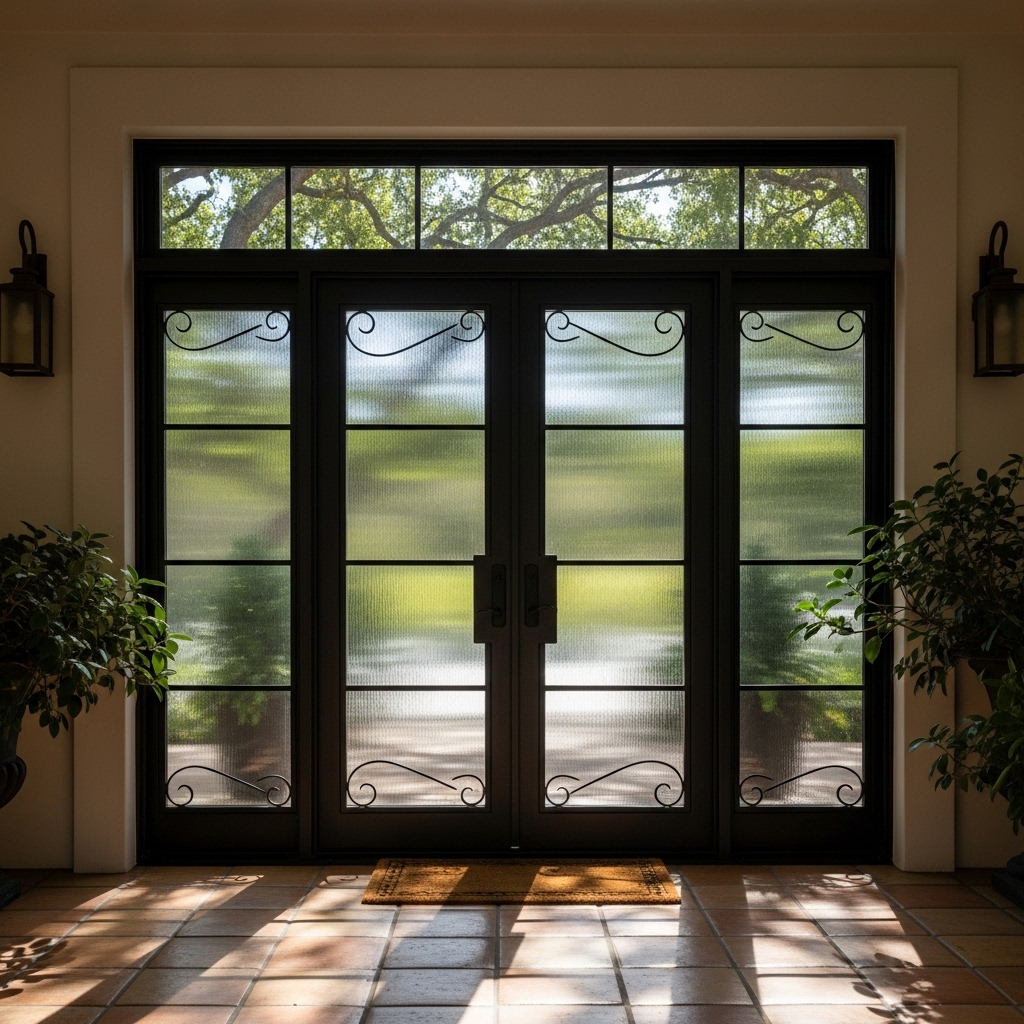
Our sun is decisive. A door that looks perfect on paper must choreograph light from morning to dusk. Textured glass—think hammered, reeded, or seeded—plays beautifully with sun angles and offers privacy without gloom. Clear glass suits low-traffic lanes and entries set back from the street, where views of trees and sky deserve a frame. Low-E coatings keep heat in check, and laminated or thicker glass brings a welcome hush to interiors on breezier days. When decorative ironwork overlays the glass, the combined effect becomes kinetic, alive to the daylight.
Finishes that feel at home in Woodland Hills
Finishes are like punctuation; they set the cadence of a design. Matte black is a natural choice, crisp and versatile beside stucco and stone. Oil-rubbed bronze tones lend depth to desert-inspired palettes and pair well with copper lighting or terracotta. Antique pewter finishes can cool a sunlit entry and complement gray-green plantings. The finish must also protect, so we look to layered systems—proper prep, primer, and UV-resistant topcoats—to keep color fast and surfaces smooth, even through our warmest stretches.
Scale, proportion, and the human experience
From distance, scale is architectural. Up close, it’s personal. The height of the pull, the width of stiles, the spacing of the grille—all influence how a door feels in hand. A double door opens into festive gatherings and easy furniture moves; a taller single door offers grandeur with simplicity. Sidelights and transoms can lift low porches and invite light into compact foyers. The best decorative doors feel confident from the sidewalk and gracious at arm’s length.
Security with grace
Decorative doors often look delicate, but the reality is reassuring. Solid pickets, precision welds, and quality hinges create a stable core. Multi-point locking discreetly increases resistance to forced entry without altering the aesthetic. Many homeowners appreciate operable interior glass panels for ventilation—fresh air flows while the ironwork stays locked. Security becomes a silent partner to beauty, and the routine of locking up at night feels deliberate rather than anxious.
Integrating with the landscape
In Woodland Hills, the front walk is part of the home’s story. The fragrance of citrus in spring, the rustle of oak in summer, and the sound of water at a small fountain all meet at the door. Decorative iron can mirror these notes—the gentle arc of a leaf, the rhythmic repeat of a reed, the ripple of a wave. When the door’s pattern is in conversation with planters, stonework, and lighting, the approach becomes an experience rather than a route.
Customization: making the pattern yours
Customization is not about more; it’s about right. Perhaps your grandmother’s wrought gate had a distinctive scroll you’d like to echo, or your interior stair railing has a diamond motif worth carrying to the exterior. Maybe you prefer asymmetry, with denser detail near the handle and open space toward the hinge. We sketch, we revise, and we look at the door from the street, from the porch, and from inside the foyer. Little choices—like the thickness of a collar or the radius of a curl—add up to a design that feels inevitable when finished.
Performance over years, not seasons
A decorative entry is asked to be beautiful daily and strong continuously. In summer, glass and seals moderate heat; in winter’s cool mornings, the door closes with a tight, quiet confidence. The finish resists fading, and the ironwork remains true, with lines that neither sag nor warp. When friends gather and stand in the doorway laughing, the hinges hold without complaint; when you unload groceries and nudge the door with an elbow, the handle responds with precision. The poetry of decoration depends on the prose of engineering beneath it.
Mid-project decisions that clarify the vision
Halfway through a project, homeowners often see opportunities that weren’t evident at the start. Maybe the transom wants to be clear glass after all, giving a glimpse of sky, or a pattern that looked perfect on a page needs breathing room in reality. That’s a healthy part of the process. We mock up proportions, compare finish samples beside the actual stucco, and revisit inspiration collections of iron doors to confirm direction. The goal is a design that fits your life, not a template that looks good only in photos.
Daily life with a decorative door
There’s pleasure in routine. Morning light sketches filigree on the foyer floor as you head for coffee. Afternoon shade cools the entry, and textured glass glows like parchment. Evenings, the interior lights bring the pattern to life for passersby. The door becomes part of family memory—back-to-school snapshots framed by iron scrolls, holiday wreaths set against a strong silhouette, and the small, satisfying habit of touching a well-made handle that feels right every time.
Frequently asked questions
Q: Will a decorative door look too busy on my simple ranch home?
A: Not when the pattern and scale suit the architecture. Linear motifs with wider spacing maintain the calm of a ranch façade while adding interest. The goal is to amplify what’s there, not overwrite it.
Q: How do I balance privacy and light?
A: Textured or frosted glass paired with thoughtful iron patterns preserves daylight while deflecting direct views. We often stage denser patterning at eye level and open space higher up to maintain a bright foyer.
Q: Are decorative doors hard to maintain?
A: Maintenance is modest. A periodic rinse, a soft cloth for smudges, and occasional checks of weatherstripping keep things in shape. Touch up any nicks promptly to protect the finish, and the door will reward you with years of reliable beauty.
Q: Can I match my door to existing railings or gates?
A: Yes. We can echo motifs, bar thicknesses, and finishes so the entire property feels cohesive. Even a subtle repetition—a single scroll or diamond—can tie elements together gracefully.
Q: What if my porch is shaded and I’m worried about a dark entry?
A: Clear or lightly textured glass, a slimmer grille pattern, and a lighter finish tone can brighten shaded entries. Interior foyer paint and lighting also play a role in reflecting light outward through the glass.
Q: How secure are decorative doors?
A: Very secure when properly fabricated and installed. Quality hinges, stout locks, and continuous frames create strength, while the pattern itself reinforces the glass field. The security is integrated, not aftermarket.
If you can picture a front door that welcomes you like a work of art—one that tells your home’s story before a word is spoken—let’s begin a conversation. We’ll study your façade, sketch what belongs, and bring it to life with craftsmanship you can feel. For fresh ideas and a sense of what’s possible, spend a moment with beautifully made iron doors, then reach out and we’ll shape an entry that feels unmistakably yours.