Custom Door Supplier in Woodland Hills, California for Unique Designs

Interior Door Supplier in Woodland Hills, California for Remodels
December 3, 2025
Wrought Iron Doors for Homes in Woodland Hills, California
December 5, 2025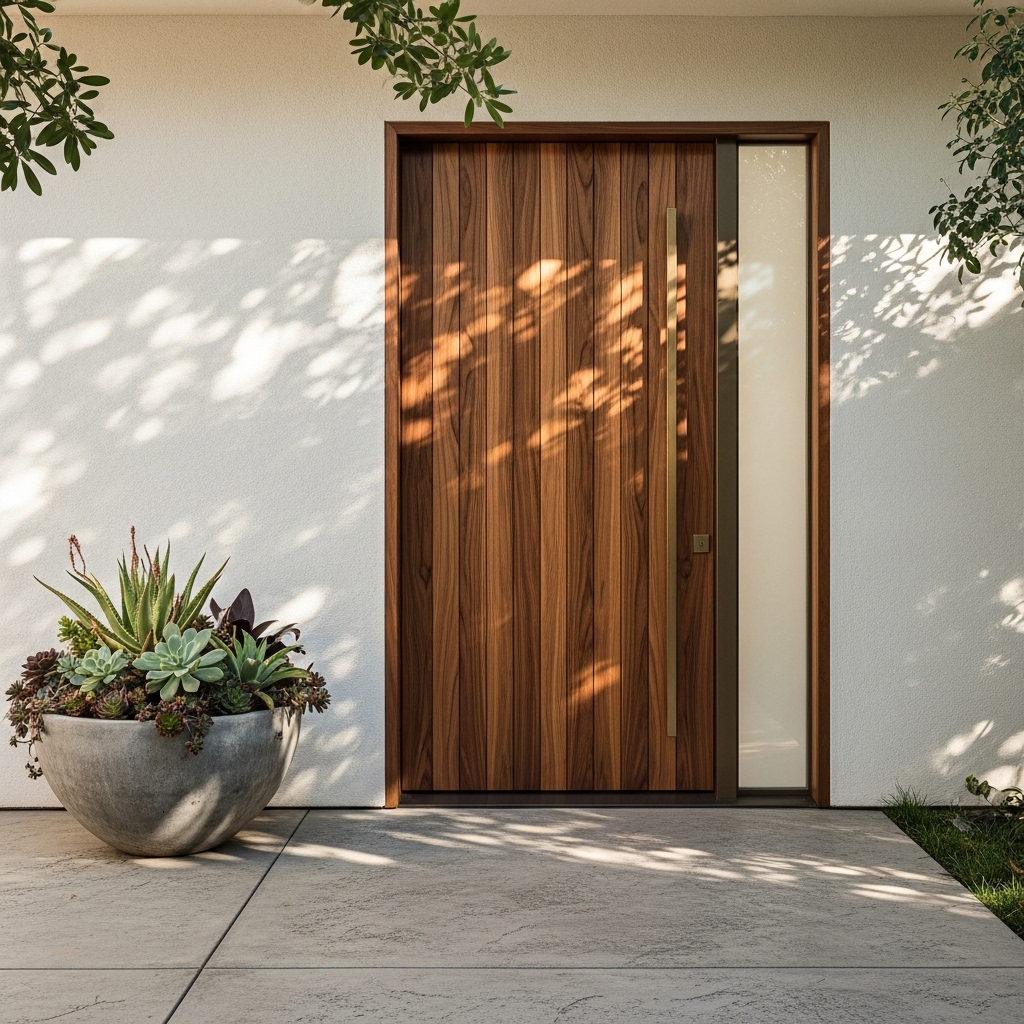
Every memorable home carries a detail that guests remember—a sculptural stair, a framed view, a door that feels like a piece of art. In Woodland Hills, where hillsides, courtyards, and leafy streets invite individual expression, custom doors become a natural canvas for unique ideas. The process of turning a concept into a functioning, durable door is a craft in itself. As a local door supplier, we help homeowners, designers, and builders shape one-of-a-kind doors that look right, work right, and last.
Uniqueness can take many forms: a pivot door with a bronze inlay that catches afternoon sun, a thin-rail glass entry that appears to float, or a solid wood portal with a carved pattern inspired by travels abroad. The point is not novelty for its own sake, but expression with purpose—something that belongs to the architecture and to the people who live there. Our job is to translate your vision into a buildable, reliable assembly that welcomes you every day.
From Inspiration to Shop Drawings
Every custom door begins with a conversation. Sometimes it’s a sketch on trace paper; other times, it’s a collection of images and a story about what you want to feel when you arrive home. We listen for the essence—bold, quiet, warm, crisp—and begin to map dimensions, materials, and profiles that support that feeling. Shop drawings follow, documenting stiles, rails, core construction, hinge and hardware locations, glass types, and tolerances. These drawings become the shared language of the team, ensuring fabricators, finishers, and installers are aligned.
Proportion is our guiding principle. A tall door can feel graceful or imposing depending on rail heights and stile widths. Oversized hardware may read as confident or heavy-handed; we test combinations on paper first so the built result lands perfectly. When a door includes asymmetrical glass reveals or inlays, we place them in conversation with the façade’s lines so they feel integrated, not random.
Material Exploration
Materials carry meaning. White oak brings calm with its open, consistent grain; walnut adds richness and depth; sapele offers stability and a fine, even texture. We also venture beyond wood when the design calls for it: metal inlays, hand-cast pulls, or stone accents can punctuate the surface in ways that feel bespoke. For high-sun exposures common in Woodland Hills, we consider engineered cores wrapped in veneer to maintain stability while showcasing natural beauty on the surface.
Glass can be a collaborator in the design. Low-iron panes sharpen views; laminated interlayers embed patterns or subtle color; textured glass filters light to create privacy without sacrificing glow. The edge details around glass—beads, flush stops, or shadow gaps—shape the way light lands, and we model them so the finished door looks exactly as imagined.
Mechanics Behind the Magic
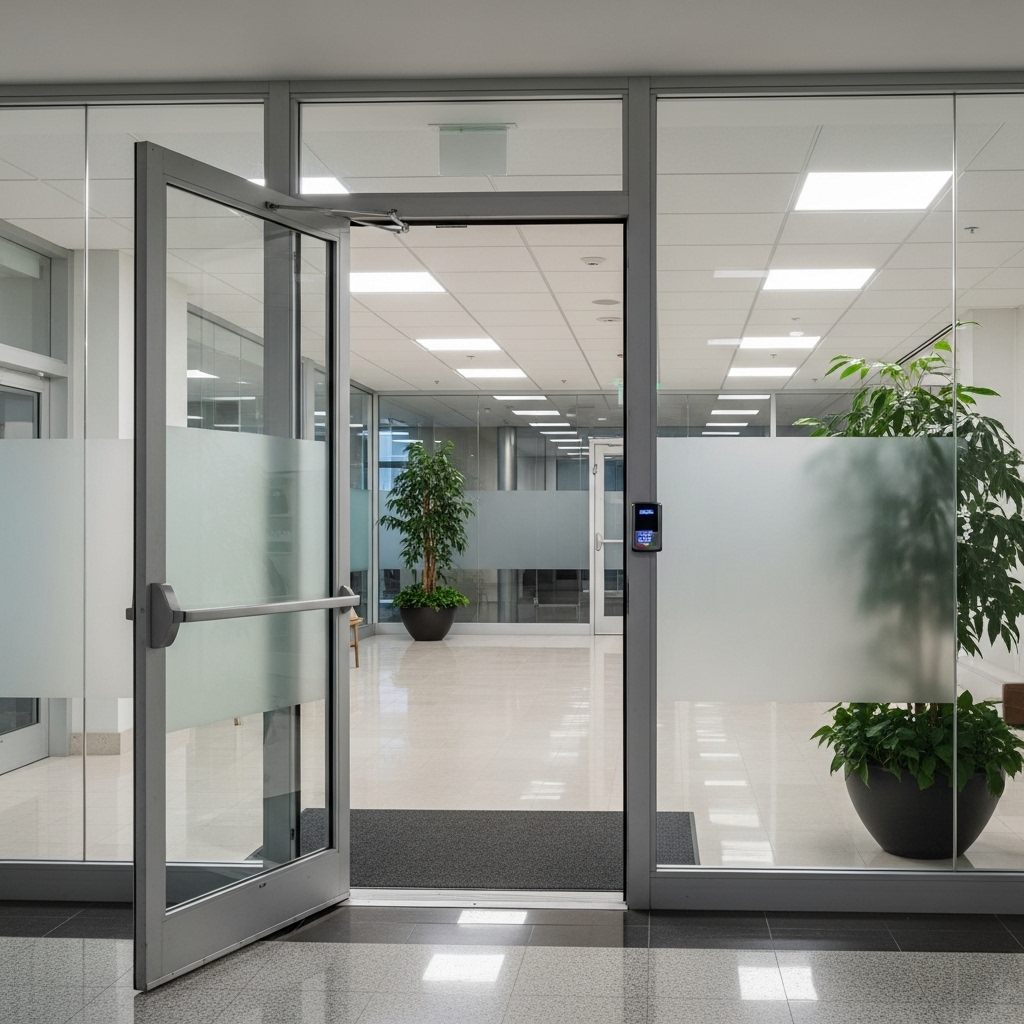
Striking doors rely on strong mechanics. Oversized slabs require pivots or robust hinge packages, and the hardware must be tuned to the door’s weight and use. We specify closers that provide a calm, confident closing motion and seals that protect against drafts without adding friction. Electronic access control can be integrated discreetly; power transfers, concealed contacts, and lock preps find their place in the design so technology supports the experience rather than announcing itself.
Thresholds and transitions deserve equal thought. A low, comfortable step that still keeps weather out is part of the daily ritual of opening the door. We coordinate with flooring and exterior surfaces to make sure drainage works and that shoes, wheels, and paws cross easily. These practical choices let the design shine without compromise.
Finishes That Tell a Story
Finish is the voice of a custom door. A matte sheen whispers; a satin glow speaks with confidence; a high gloss declares itself boldly. Stains can warm or cool a species, and layered finishes build depth that changes over the course of a day as light shifts. We test samples at the site when possible, because Woodland Hills sunlight has its own character—bright, warm, and dynamic. Seeing a finish in place ensures the final tone harmonizes with stone, stucco, metal, and landscape around it.
Protection is non-negotiable. We seal all edges, pay special attention to end grain, and choose finish systems with UV resilience where needed. The goal is to create a door that isn’t merely impressive at installation, but continues to impress years later with even aging and easy maintenance.
Working with Architects and Builders
Custom doors thrive on collaboration. Architects bring the language of the house, builders bring field realities, and homeowners bring the vision. We bridge those perspectives, coordinating shop drawings, schedules, and on-site checks. If a pivot door requires additional blocking or a steel frame to support loads, we flag it early. If glass reveals need precise alignment with window mullions, we confirm dimensions before fabrication. Clear communication prevents surprises and protects the elegance of the finished result.
On complex projects, mockups can be invaluable. Seeing a section of the door, testing a hardware feel, or confirming a finish sheen in real light provides confidence. We welcome that process and facilitate it so decisions become easier and outcomes more predictable.
Unique Shapes and Configurations
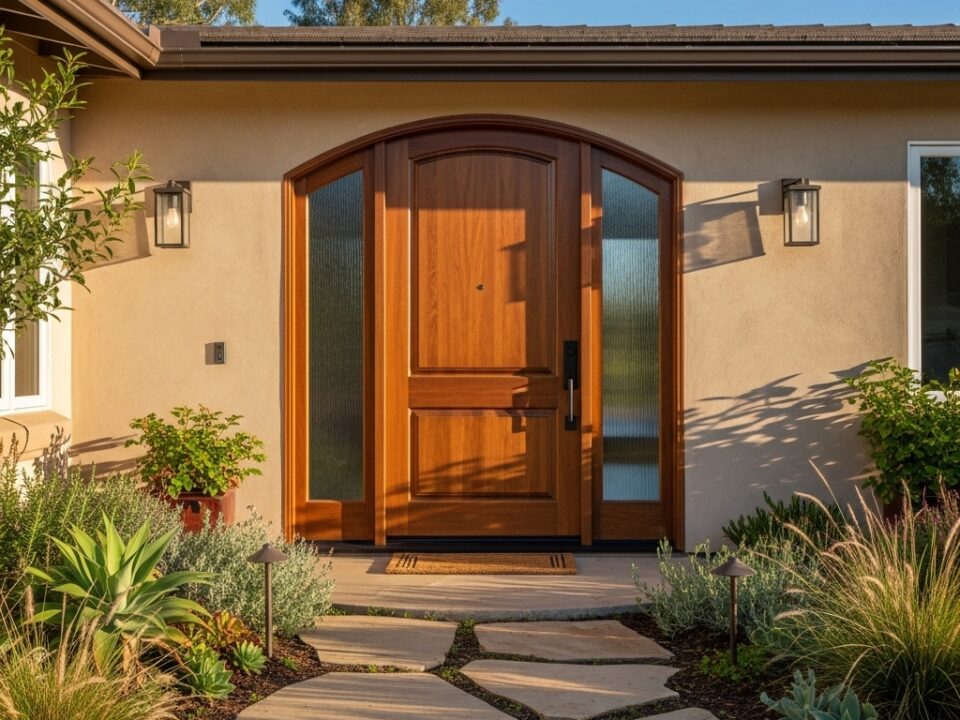
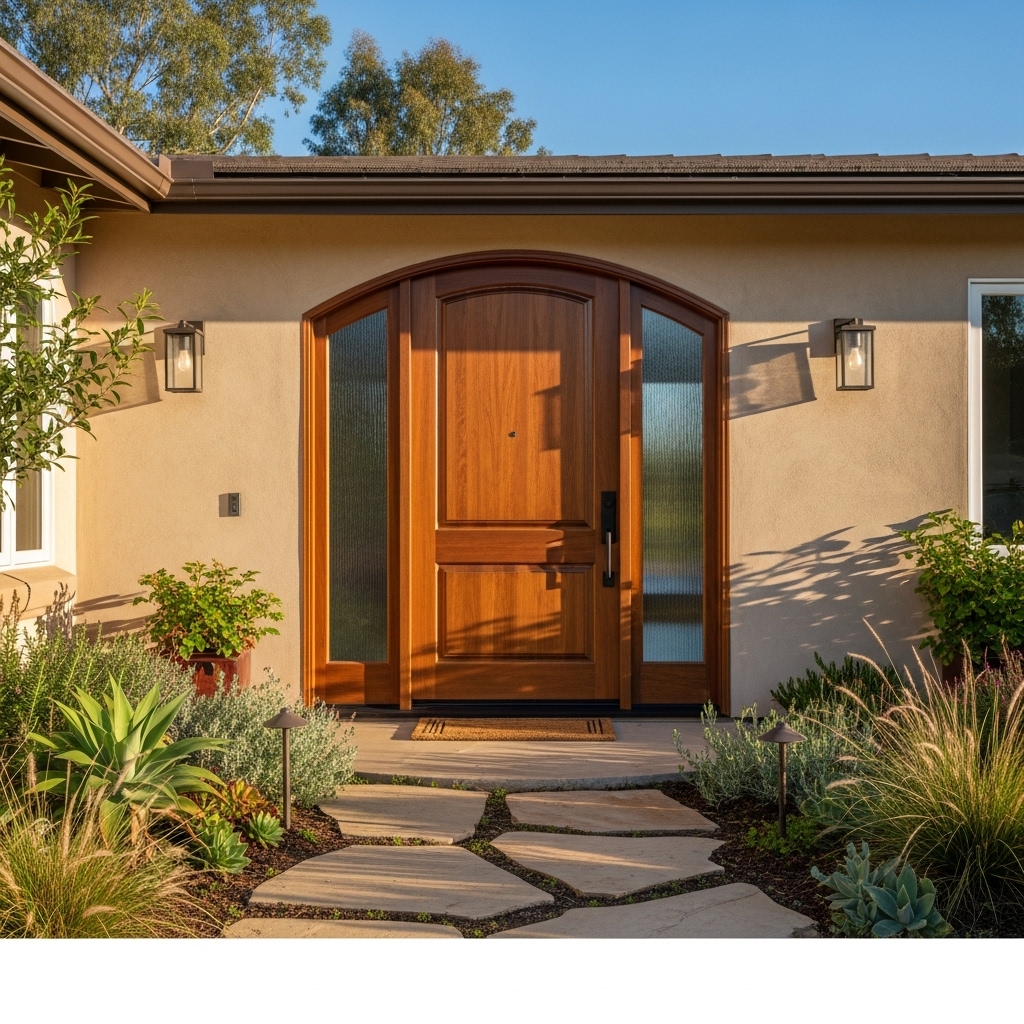
Arched heads, angled tops that echo a roofline, or serpentine curves that flow with a staircase—these shapes can become signature elements when executed with care. We model radii, confirm clearances, and coordinate stops and seals that follow the line without gaps. For doors that meet glass walls or unconventional jambs, we engineer transitions that look intentional and perform reliably.
Oversized openings often call for sidelights or transoms that extend the composition. We align muntins with the door’s stiles and rails so the whole assembly reads as one design. When transparency is desired, slim profiles and minimal stops keep the look light and modern; when solidity is the aim, bold rails and textured panels provide presence.
Stories from Woodland Hills Projects
A hillside home sought an entry that matched its sculptural landscape walls. We designed a white oak pivot door with a recessed bronze inlay that catches late-day light, paired with a narrow vertical lite that frames a slice of the view. The pivot’s soft-close mechanism makes arrival feel ceremonial yet effortless. Another client wanted a quiet nod to mid-century influences: we built a flush walnut door with book-matched grain and a custom pull that aligns with a reveal in the plaster façade, making the entrance look as though it’s carved from the house itself.
Inside a renovated home near the boulevard, we created a set of sliding room dividers with reeded glass and thin stiles, turning a large open space into flexible zones for work, play, and quiet. The hardware glides in a whisper, and the doors catch light like screens in a gallery. Each project taught the same lesson: a unique door succeeds when the mechanics and the design respect each other.
Care and Longevity for One-of-a-Kind Pieces
Distinctive doors deserve straightforward care. We provide guidance on cleaning, seasonal checks, and quick adjustments that keep movement smooth. For sun-exposed entries, we schedule finish refreshes before the surface weathers, protecting the investment. Replacement parts for specialty hardware are cataloged so future maintenance is simple, and we remain available long after installation as a resource for tune-ups and questions.
Why Local Expertise Matters
Design decisions are easier with someone who knows the light, the wind, and the pace of construction here. We can stand in your entry at sunset to see how reflections behave, or meet the framer to discuss blocking for a heavy pull. That proximity makes collaboration fluid and keeps momentum strong. It’s the difference between imagining a solution and proving it on site.
Midway through many custom projects, ideas evolve. A glass reveal moves, a finish warms, a pull changes scale. We embrace that evolution and adjust with care, keeping shop drawings and schedules current so the path remains clear. The result is a door that reflects your intentions precisely, not a compromise made to meet an arbitrary deadline. It’s the standard you should expect from a capable door supplier.
Frequently Asked Questions
Q: How do I start designing a custom door? A: Begin with inspiration images and a sense of what you want to feel at the entry—bold, calm, warm, minimal. We’ll translate that into sketches and shop drawings that define proportions, materials, and hardware.
Q: Can custom doors handle strong sun exposure? A: Yes, with the right material and finish strategy. Engineered cores with veneer faces, UV-resilient finishes, and adequate overhangs protect the door while preserving the desired look.
Q: What hardware works best for oversized doors? A: Pivot systems or robust hinge packages matched to the door’s weight, along with closers tuned for smooth movement. We integrate electronic access discreetly when needed.
Q: Can you coordinate custom pulls and inlays? A: Absolutely. We design pulls that align with reveals and integrate metal or stone inlays that complement the architecture, ensuring the elements work together structurally and visually.
Q: How long does a custom door project take? A: Timelines vary with complexity, but clear decisions and early coordination help. We provide schedules at the outset and maintain communication to keep fabrication and installation moving.
Q: What if I want a unique shape, like an arch or angled head? A: We model the geometry, confirm clearances, and engineer seals and stops to follow the shape. The goal is a distinctive door that operates as smoothly as a standard one.
Q: Do you provide ongoing support after installation? A: Yes. We remain available for adjustments, finish refresh guidance, and hardware servicing so your custom door continues to perform beautifully.
When you’re ready to create a door that is uniquely yours—one that feels inevitable the moment you see it—we’re ready to collaborate. Share your ideas, and we’ll turn them into drawings, samples, and a finished entry that honors your home. Connect with our Woodland Hills-based trusted door supplier team today and let’s begin crafting the door that will become your home’s signature.