Sliding Glass Door Installation Cost in Woodland Hills, California

Energy Efficient Door Installation in Woodland Hills, California
December 10, 2025
When homeowners in Woodland Hills start imagining a smoother path to the backyard—more light in the family room, a better connection to the grill and pool—the conversation often turns to sliding glass doors. The next question is usually about cost, and while it’s natural to want a quick number, the truth is that sliding door projects vary widely based on design, site conditions, and the level of finish you expect. In our Valley climate, the goal is to create a door that glides effortlessly, seals tightly against dust and heat, and looks like it has always belonged to the home. Understanding the factors that shape a project—from structure and waterproofing to glass choices and hardware—helps you plan a smart, satisfying upgrade with professional door installation at its core.
Why sliding glass door projects differ from house to house
Two seemingly similar homes can have very different requirements. One may already have a standard-width opening and a protected patio; the other might need an opening widened, a header evaluated, and the track set flush with interior flooring for a clean, barrier-free look. The existing wall construction—stucco, siding, or a mix—dictates finish strategy. The slab or subfloor condition can demand correction so the track sits perfectly level from end to end. When the track is dead level, panels glide with a fingertip; when it’s off, seals drag and hardware wears prematurely. That’s why measuring and planning are the foundation of reliable, long-term performance.
Glass choices that shape comfort and clarity
Sliding doors are big swaths of glass, and glass is where comfort and efficiency are won. Insulated units with the right coatings control heat gain while keeping views crisp. On west-facing elevations that catch the brunt of afternoon sun, solar-control coatings keep rooms comfortable without dimming the space. Laminated glass can add sound control and a layer of security while still looking crystal clear. If privacy is a concern, subtle tints or textured options keep lines clean while softening views. The best part of modern glazing is that you can tune performance without sacrificing the bright, connected feeling you want from a large opening.
Frames, tracks, and the art of the glide
Not all sliding door frames are equal. Thermally improved frames resist heat transfer, and quality rollers paired with well-designed tracks make operation feel effortless. The magic is in the details: track straightness, the way the frame is sealed to the wall, and the tolerance between panels and weatherseals. When all of that is executed precisely, you get a soft, consistent close that never rattles in the wind. Tracks also need a plan for keeping dust and water in check. In our area, fine grit rides the breeze; a well-designed track and sweep prevent that grit from infiltrating the living room during a windy evening.
Structure: headers, deflection, and long-term alignment
Big openings need solid support. Headers above sliding doors must be sized and supported correctly to limit deflection; even slight downward flex can misalign panels and loosen seals over time. In some retrofits, we discover undersized existing headers or framing that has twisted over the years. Correcting these elements is worth the effort, ensuring panels stay parallel and doors operate smoothly for the long haul. On hillside properties where movement can be a touch more pronounced, reinforcing the opening brings peace of mind and protects the investment you’re making in a premium system.
Water management and stucco detailing
Even with our predominantly dry climate, intense seasonal rains do arrive, and sliding door thresholds are a frontline defense. Sill pans, flashing that laps correctly, and stucco returns that are cut and finished cleanly all manage incidental water and preserve the envelope. Doors that look perfect at installation can develop issues if water has no path out; doors that are detailed with care age gracefully and keep interiors pristine. In stucco-heavy neighborhoods, clean cut lines and consistent texture around the new frame avoid the patchy look that gives away a rushed job.
Configuration options: two-panel, three-panel, and beyond
Configuration changes the experience. A two-panel slider offers simplicity and wide access in a compact footprint. Three-panel and four-panel systems open larger spans, while multi-slide doors can stack or pocket for dramatic indoor-outdoor living. Each configuration places different demands on structure and track layout. The larger the opening, the more attention we pay to level, deflection control, and weathersealing. When the details are right, even expansive systems feel light under hand and close with a reassuring seal.
Hardware and everyday usability
Handles should fit the hand, and locks should align without fuss. For families, foot locks and secondary latches add usable security without visual clutter. Screens extend evening breezes without inviting pests, and pet-tested mesh options stand up to enthusiastic paws. The hallmark of a well-executed sliding door is not just the first glide; it’s how confidently the door behaves after hundreds of cycles, day after day, season after season.
Retrofitting older openings
Many Woodland Hills homes have original sliders that have seen better days. Replacing them often reveals imperfect framing, tired thresholds, and tracks that collected moisture for years. The remedy is careful removal, correction of irregularities, and installation that resets the opening to modern standards. That may include new framing, a precisely level track, and updated sealing strategies. The result is night and day: quieter rooms, smoother operation, and better insulation from afternoon heat.
Indoor-outdoor design and flooring transitions
A seamless transition from interior flooring to the exterior is a popular goal, and it requires coordination. Interior tile or wood thickness, exterior deck height, and drainage all inform where the sliding door track should sit. A flush or near-flush look can be achieved without compromising water management, but it takes forethought. Getting this detail right makes living spaces feel larger and makes daily movement between kitchen, living room, and patio feel natural.
Scheduling, site protection, and a clean finish
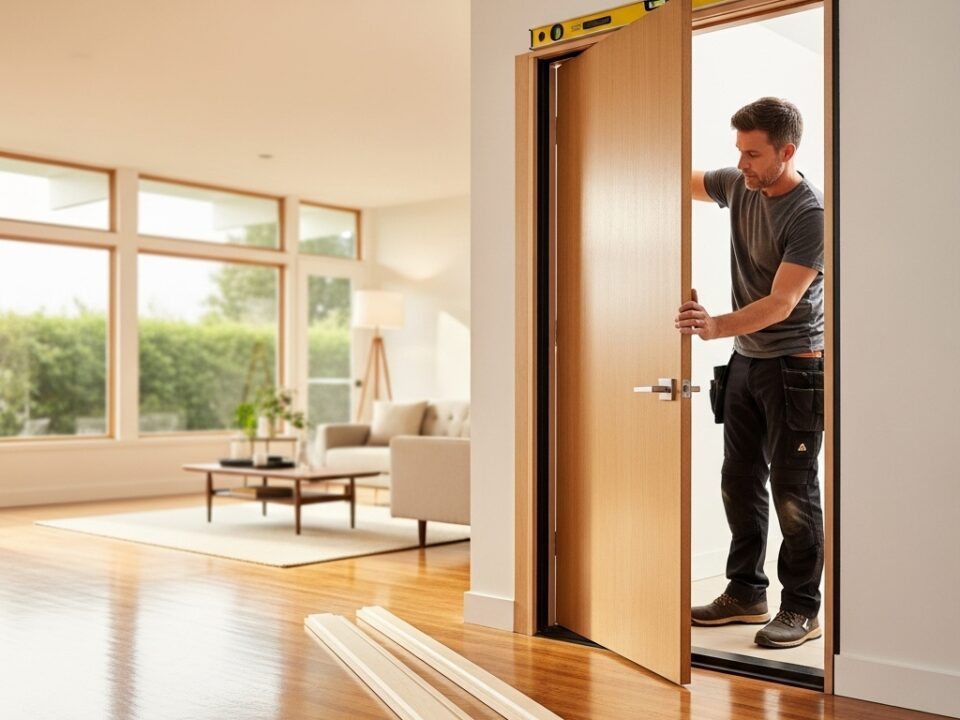
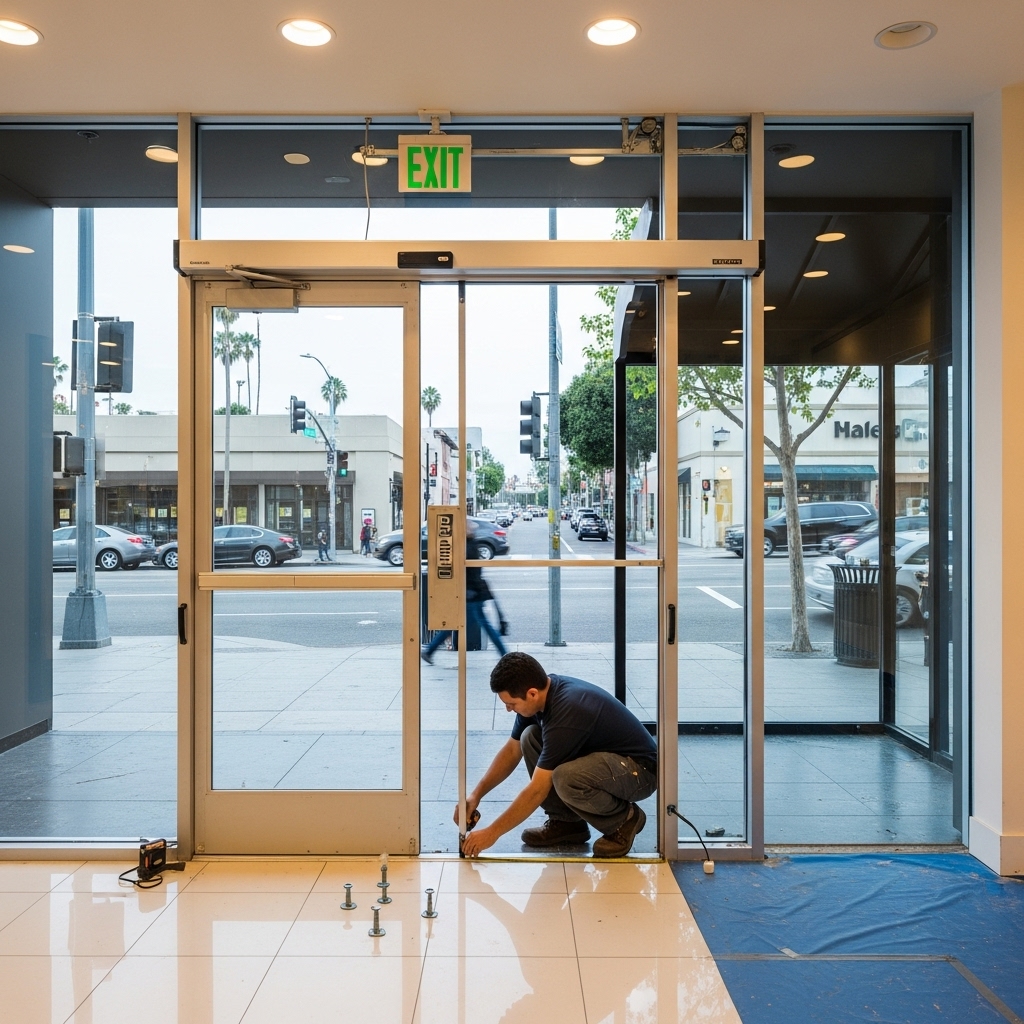
Sliding door work involves large panels, sensitive finishes, and precise alignment. Site protection—floors, nearby furniture, and landscaping—protects your home and speeds cleanup. Good teams plan staging to minimize disruptions, set expectations clearly, and maintain a tidy workspace. When the last panel is aligned and the final sweep installed, the space should feel finished, not “under construction.”
How to think about value over time
While it’s tempting to chase the lowest initial outlay, sliding doors reward attention to build quality and installation craft. A system that opens easily with one hand, seals reliably, and holds alignment through seasons is a daily pleasure and a long-term asset. Frames that shrug off heat, glass that tempers solar gain, and thresholds that control dust and water all add up to rooms that feel calm and comfortable. In a Valley home where indoor-outdoor living is part of the lifestyle, that value is hard to overstate.
When weighing proposals, read beyond the model name. Ask about glass specification, thermal breaks in frames, track leveling plans, and how the team will handle stucco, flashing, and disposal of the old unit. The clarity of those answers reveals how the door will perform years down the line. Partnering with a local specialist who treats door installation as a craft ensures your project benefits from hard-earned experience with our homes and climate.
Frequently asked questions
How long does sliding glass door installation usually take?
For a straightforward replacement, installation often fits within a day, with finish work scheduled as needed. Larger configurations, structural adjustments, or flush-track goals extend the timeline to allow for precise leveling, sealing, and finish coordination.
Will a new slider reduce heat and noise?
Yes. Modern insulated glass with the right coatings, combined with thermally improved frames and high-quality weatherseals, makes rooms more comfortable and quieter. Many homeowners are surprised by how much calmer a room feels after replacing an aging slider.
Can I get a flush transition to my patio?
In many cases, yes, with careful planning. Achieving a near-flush look depends on interior flooring thickness, exterior deck or patio elevation, and drainage strategy. We map these factors to set the track at the right height without compromising water management.
Do I need to replace the entire frame or just the panels?
In most retrofits, replacing the entire assembly—frame, panels, and track—yields better performance than panel-only swaps. Full replacement addresses air and water control at the perimeter and allows us to correct framing irregularities that panels alone cannot fix.
How do you protect my home during installation?
We cover floors, isolate the work area, and stage tools to minimize movement through the house. Panels are handled with protective gear to prevent scuffs, and we clean thoroughly at the end of the day so the space feels ready to enjoy.
If you’re imagining a brighter, smoother connection to the outdoors, let’s design a project that delivers both elegance and endurance. Begin with a conversation about expert door installation and enjoy a sliding door that glides beautifully, seals tightly, and elevates daily life.