Residential Door Installation in Woodland Hills, California

Door Installation Cost in Woodland Hills, California Explained
December 10, 2025
Commercial Door Installation in Woodland Hills, California
December 10, 2025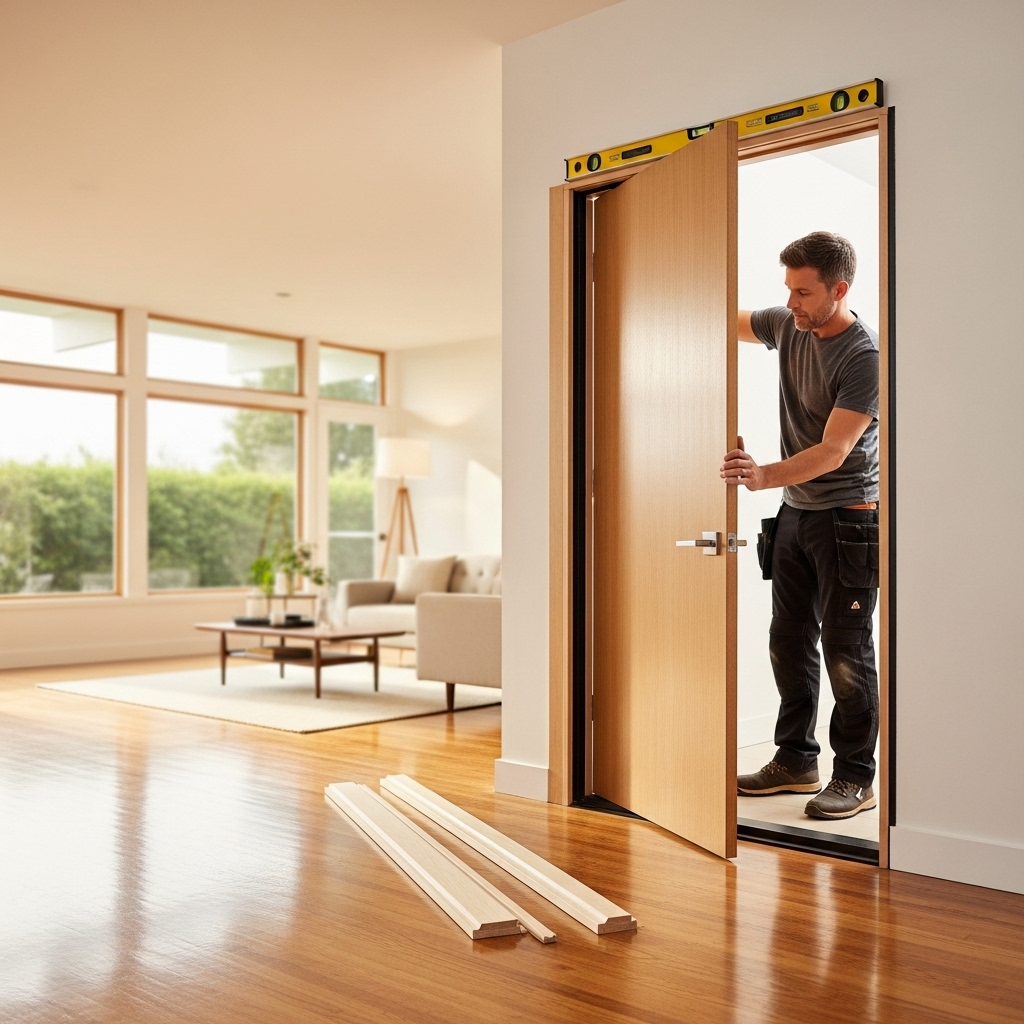
From tree-lined cul-de-sacs near El Camino Real Charter to hillside streets overlooking the Valley, Woodland Hills offers a blend of classic California ranch homes, mid-century gems, and sleek contemporary builds. Each home has its own rhythm, and the doors you live with every day—entry, interior, patio—set the tone for how that rhythm feels. When we talk about residential door installation here, we’re really talking about how to honor a home’s character while improving comfort, security, and flow. The best projects begin with clear goals and a careful look at how you use each space, then deliver with craftsmanship that makes every open and close feel right. If you’re exploring options, there’s real value in starting with a conversation about quality door installation tailored to our neighborhoods and our climate.
Understanding your home’s story before the first screw is turned
Every house tells you something if you listen. A 1960s single-story with a concrete slab might telegraph slight settling at an entry, and a two-story contemporary might reflect big west-facing glass that throws light into the foyer and bakes finishes in the afternoon. Interior doors can indicate how sound travels: thin hollow cores make rooms feel connected when you want separation, while solid-core upgrades add privacy and quiet to bedrooms and home offices. Before we propose solutions, we walk the spaces, sight the openings, and ask about daily patterns: Which door sees the most traffic? Where does light matter? Do you need a pet-friendly threshold or a low-profile transition for accessibility? The answers shape everything that follows.
Entry doors: first impressions and daily performance
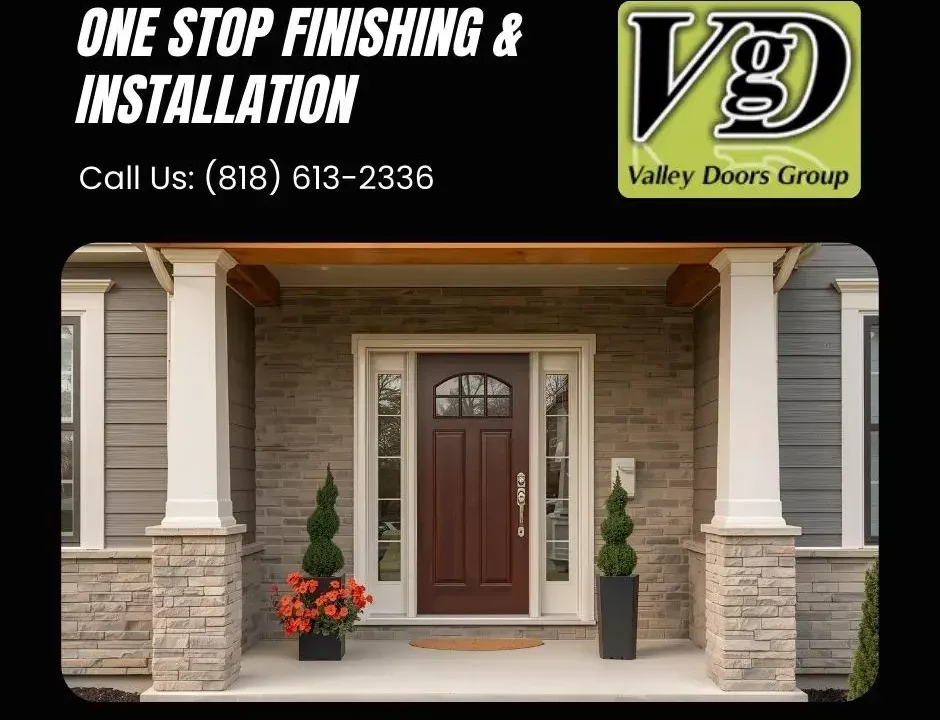
An entry door is a handshake and a guardian. In Woodland Hills, it also contends with bright sun, dust-laden winds, and temperature swings. Material choice sets the foundation. Fiberglass offers dimensional stability and long-term finish durability; insulated steel pairs a crisp look with strong security; and wood brings warmth and gravitas when sealed and maintained correctly. If your porch faces south or west, UV protection and glazing options become pivotal. Clear glass can be dramatic, but low-iron or low-E glass can balance brightness with heat control, and textured glass can create privacy while preserving light. Good weatherstripping, a properly set sweep, and a threshold that manages incidental water are not extras—they are the quiet details that make a door feel serene every day.
Hardware matters as much as the slab. A heavier door wants robust hinges, a reinforced strike, and latching that lines up dead center with the keep. Smart locks have matured and are fantastic when installed with care, but they need precise tolerances so motors don’t fight misaligned latches. The result you’re after is simple: a confident close, a secure lock, and a subtle silence that says the door and the house are in harmony.
Interior doors: shaping sound, light, and privacy
Inside the home, the conversation shifts to how doors shape zones of living. Solid-core doors dampen noise from kitchens and media rooms, while glass-paneled or French doors can spread light across darker hallways without sacrificing separation. Pocket doors are excellent space-savers for tight bathrooms and pantries, but they demand straight framing and true tracks to glide like they should. Barn doors add style and flexibility while acknowledging they are not full acoustic barriers. In older homes, replacing thin, rattling slabs with well-fitted, heavier doors is one of the most transformative, budget-savvy upgrades you can make.
Trim and casing deserve equal attention. A simple, square-edged casing complements contemporary aesthetics, while stepped or fluted profiles reinforce traditional lines. The point is continuity: when new interior doors and trim echo the home’s architecture, rooms feel naturally composed.
Patio, French, and multi-slide doors: connecting inside and out
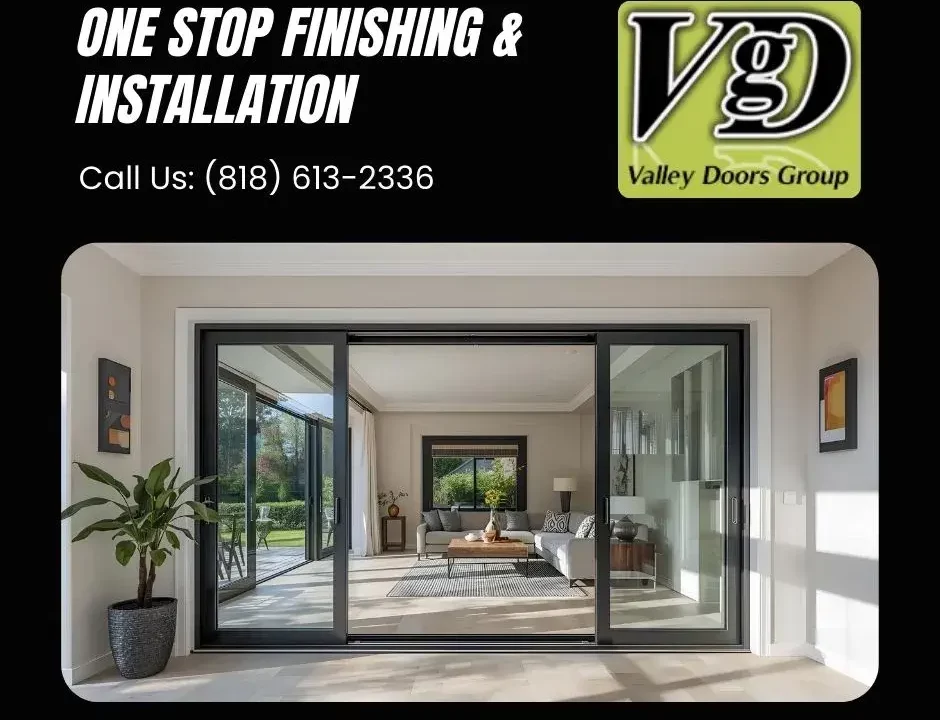
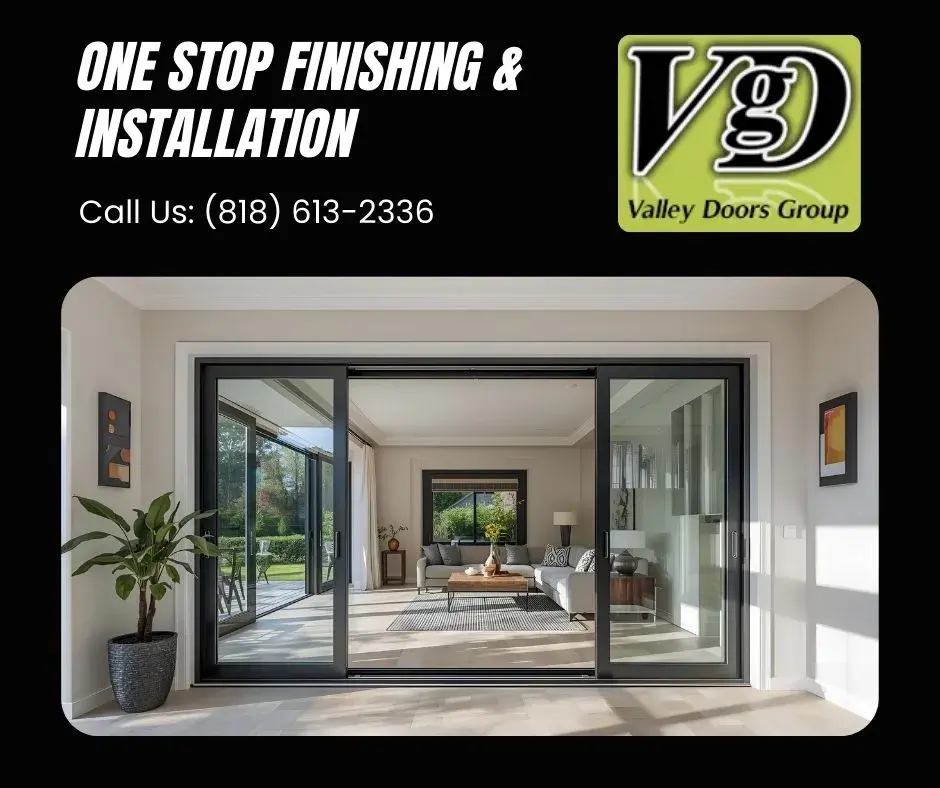
Valley living is about blending indoor comfort with outdoor relaxation. Upgrading a patio door can change how the whole house functions. A well-installed sliding glass door with a thermally improved frame and high-performance glazing makes afternoons more comfortable and evenings quieter. French doors bring charm and a wide walk-through, though they need precise weathersealing to keep dust and drafts out when the winds pick up. Multi-slide and folding systems create dramatic openings for entertaining, but their tracks, drainage, and structural support must be thoughtfully planned. When tracks are set level and protected, and when the header is sized to control deflection, panels glide smoothly and seals stay engaged for the long term.
Measuring twice, installing once: the heart of good outcomes
In our area, few openings are perfect rectangles, and that’s okay—if we measure accurately and prepare accordingly. We test diagonals, check plumb and level, and assess the slab or subfloor for humps and dips. If the opening is racked, shimming and, in some cases, reframing corrects geometry so the new unit seals evenly. On stucco exteriors, cutting back to a clean plane and finishing the return avoids hairline cracks. Inside, casing is tuned for consistent reveals. It’s a craft process, not a rush job, and it shows every time the door closes with that reassuring, even pressure.
Energy, comfort, and quiet
Doors have huge influence on how your home feels. A well-insulated core and proper seals block heat, keep conditioned air inside, and soften traffic noise from nearby boulevards. If you’re replacing a sun-blasted entry or a tired patio slider, consider glass that tempers solar heat gain and frames with thermal breaks. You’ll notice the difference on hot August afternoons and crisp winter mornings alike. Small upgrades like a better threshold or new sweep often solve the micro-drafts that make an otherwise beautiful space feel unsettled.
The Woodland Hills factor: sun, stucco, and subtle movement
Our climate asks for foresight. South- and west-facing doors need UV-aware finishes and, at times, storm-edge protection to reduce premature wear. Stucco edges should be treated with care so replacement doesn’t telegraph as a patch. And the minor movement many houses experience over time is best respected with adjustable hardware and a willingness to tune the door a few months after installation if needed. A local team that has installed in this environment again and again knows where to look and how to build in resilience.
Working with a professional, collaborative process
Good residential door installation is a collaboration. You bring your taste, your daily patterns, and your budget. We bring product knowledge, measurement rigor, and installation craft. Together, we map a scope that fits your life, then execute with care: site protection, respectful communication, and a clean finish. Whether it’s a single bedroom door or a whole-home refresh, the approach scales—the same attention to detail that makes a premium entry sing will make a laundry-room door close quietly at midnight.
When you compare options, look past generic product names and zero in on the specifics: material, glazing, hardware grades, thresholds, and finishing plans. Clear descriptions and realistic timelines show you that the team cares about outcomes, not just getting to the next job. If you want guidance that is grounded in real, local experience, seek out a specialist who views door installation as a craft, not a commodity, and you’ll feel the difference every day.
What to expect on installation day
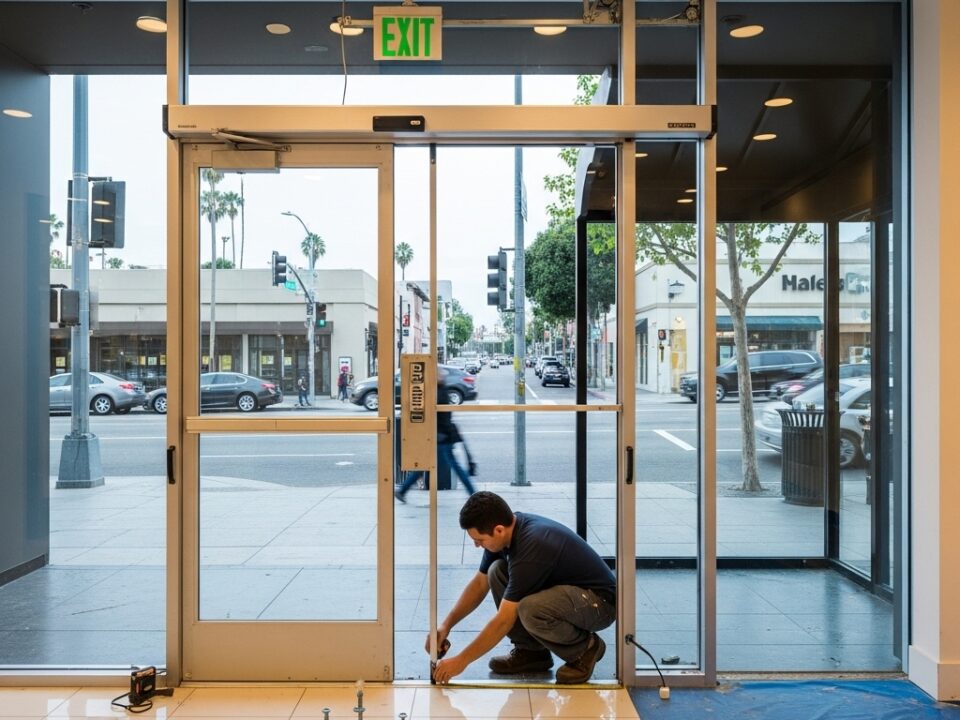
On the day of the work, you should see an orderly setup: drop cloths, floor protection, tools staged to minimize trips through the house, and a clear plan for removing the old unit without collateral damage. The rough opening is inspected once the old door is out to verify assumptions, then the new frame is set plumb and square, shims are placed with intention, and fasteners tie into structure, not just trim. Hardware is aligned carefully, weatherstripping is checked for even contact, and the threshold is tuned to close comfortably while sealing properly. Finally, the team cleans up and walks you through operation, maintenance, and any curing times for finish products.
Maintenance and care that keep doors feeling new
A few small habits go a long way. Wipe down weatherstripping and thresholds occasionally to clear fine dust. If you have a stained wood door, refresh the protective coat on the schedule recommended by the manufacturer, especially on sunny exposures. Tighten handle set screws if they loosen with seasonal changes, and call for a quick tune-up if a latch starts to drag. Staying proactive preserves the crisp, confident feel that a great installation delivers.
Frequently asked questions
How do I choose between wood, fiberglass, and steel for an entry door?
Consider exposure, maintenance preferences, and aesthetics. Wood is unmatched for character but needs care; fiberglass mimics wood with excellent stability; steel offers a clean, secure profile. We weigh sun, shade, and design goals to guide a choice that fits your home and routine.
Can I replace interior doors without redoing all the trim?
Often yes. If the existing jambs are true, slab-only replacements are possible with careful hinge and latch alignment. When jambs are out of square, new prehung units with fresh casing deliver better results and allow us to create clean, even reveals throughout.
Will a new patio door make my home more comfortable?
Absolutely. Better glazing, insulated frames, and precise weathersealing reduce heat gain and drafts while softening outside noise. Many homeowners notice the space feels calmer and the HVAC runs less, particularly in rooms that face strong afternoon sun.
Do I need to be home during installation?
It helps, especially at the start and finish, so we can confirm hardware preferences and walk you through operation and care. If schedules conflict, we plan ahead for access and communication so everything proceeds smoothly.
How long does a typical residential installation take?
Many single-door projects are completed in a day, with finish work scheduled as needed. Larger scope—multiple interior doors or upgraded patio systems—may span several days to ensure framing, finishes, and adjustments are perfect.
When you’re ready to rethink how your home feels one opening at a time, partner with a local team that treats your project with the attention it deserves. Let’s plan a transformation centered on expert door installation that elevates comfort, security, and style in every room.