Energy Efficient Door Installation in Woodland Hills, California

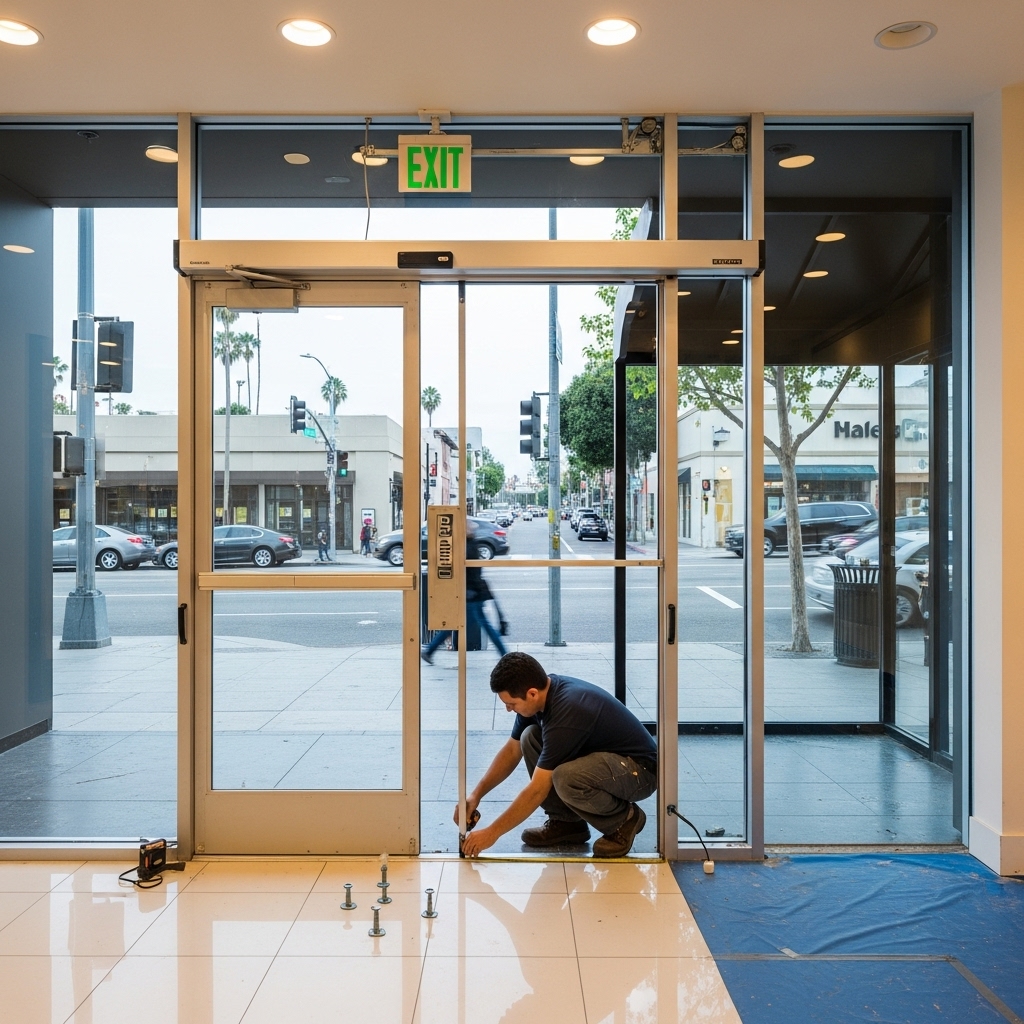
Commercial Door Installation in Woodland Hills, California
December 10, 2025
Sliding Glass Door Installation Cost in Woodland Hills, California
December 10, 2025
On summer afternoons in Woodland Hills, you can feel the heat radiate off sidewalks well into the evening, and on winter mornings, the air can turn crisp enough to make you reach for a sweater. Doors that shrug off those swings make homes more comfortable, quieter, and easier to condition. Energy-efficient door installation isn’t just about choosing a product with good specs; it’s about how the entire assembly—slab, frame, glass, weatherstripping, threshold, and the way everything is integrated into your walls—works together in our specific climate. When that puzzle is solved with care, you get an immediate uptick in comfort and a long-term improvement in how your home feels and performs. If you’re considering options, starting with a local conversation about high-performance door installation helps you make choices that are both practical and beautiful.
What makes a door energy efficient here in the Valley
Efficiency starts with materials that resist heat transfer and control air movement. Insulated cores in fiberglass or steel doors limit conduction, while high-quality weatherstripping controls infiltration—the sneaky drafts that make a room feel unsettled. If glass is part of your design, insulated units with the right coatings manage solar heat gain without dulling the light you love. Frames matter too. Thermally improved frames help keep interior surfaces closer to room temperature, reducing condensation risk and improving comfort when you stand next to the door.
Just as important is installation. Even the best door can underperform if the frame is set out of square or if gaps around the jamb are left loosely filled. Air seeks the path of least resistance; the installation should deny it easy routes with proper shims, sealants, and flashing that respect how water and air actually move through a building envelope.
The Woodland Hills climate lens
Our inland Valley setting brings plenty of bright, direct sun, especially on south- and west-facing façades, plus breezes that can carry fine dust. These conditions suggest a few best practices. First, glass with solar-control coatings maintains brightness while controlling heat, especially in rooms where afternoon sun dominates. Second, weatherstripping that stays supple and maintains contact through temperature swings preserves a tight seal all year. Third, thresholds and sills that manage incidental water and allow for easy cleaning keep dust from riding under the door and into your home when the winds pick up.
Finally, think about shade and exposure in design terms. A darker paint on a west-facing door may absorb more heat than the same color on a north-facing entry. Finishes and materials should be selected with exposure in mind so the door’s appearance and performance stay consistent season to season.
Choosing materials without sacrificing style
Energy performance and design can get along wonderfully. Fiberglass skins can replicate wood grain convincingly and accept stains or paints that complement mid-century, ranch, or contemporary architecture. Steel offers a sleek, modern profile with excellent insulation when specified correctly. For those who love real wood, high-quality species and proper finishing deliver beauty and durability, especially if the entry benefits from an overhang or partial shade. The trick is pairing the right material with the right location and ensuring the frame and seals are equally up to the job.
For doors with glass, consider both clarity and control. Low-iron glass looks stunning and pure, while low-emissivity coatings reduce the heat load in the late afternoon. Textured or frosted options maintain privacy at entries without sacrificing daylight. These decisions aren’t just technical—they’re experiential, shaping how your foyer or family room feels at different times of day.
Air sealing: the invisible comfort boost
When people describe a home as feeling “calm,” they’re often feeling the absence of drafts. Proper shimming to keep the frame true, continuous beads of high-quality sealant where the frame meets the wall, and a threshold that aligns perfectly with the door’s sweep create a barrier to uncontrolled airflow. This is not about making the house airtight at all costs; it’s about making the door assembly behave predictably so your HVAC works steadily instead of chasing small leaks. Done right, you notice rooms staying more even in temperature and a general hush that settles over the space.
Water management and durability
Even though Woodland Hills doesn’t see constant rain, we do get downpours that test transitions. Sill pans, properly lapped flashing tapes, and careful attention to the interface between stucco and frame ensure incidental water has a path out and away, not in. This kind of detailing is the difference between a door that ages gracefully and one that develops staining or swelling issues at the threshold. Durability is efficiency’s close cousin; keeping materials dry and stable maintains insulation value and sealing performance over the long term.
Patio and sliding doors: big glass, big opportunity
Large glass doors are popular because they expand living space and frame backyard views, but they need thoughtful specification to perform. Look for thermally improved frames, robust weatherseals, and glass that balances solar control with clarity. Multi-panel systems require level, well-drained tracks to seal properly and glide smoothly. When the structure above is sized to control deflection, panels stay aligned during temperature swings and doors maintain their effortless movement and tight seal.
Sound control as part of efficiency
Energy upgrades often bring acoustic dividends. Insulated cores, better seals, and laminated glass all reduce outside noise—a welcome benefit near busy streets and during windy evenings. Quiet is a kind of comfort that’s hard to describe until you feel it; doors that close softly and block street chatter change the mood of a home in subtle, satisfying ways.
Installation craft: where performance is won or lost
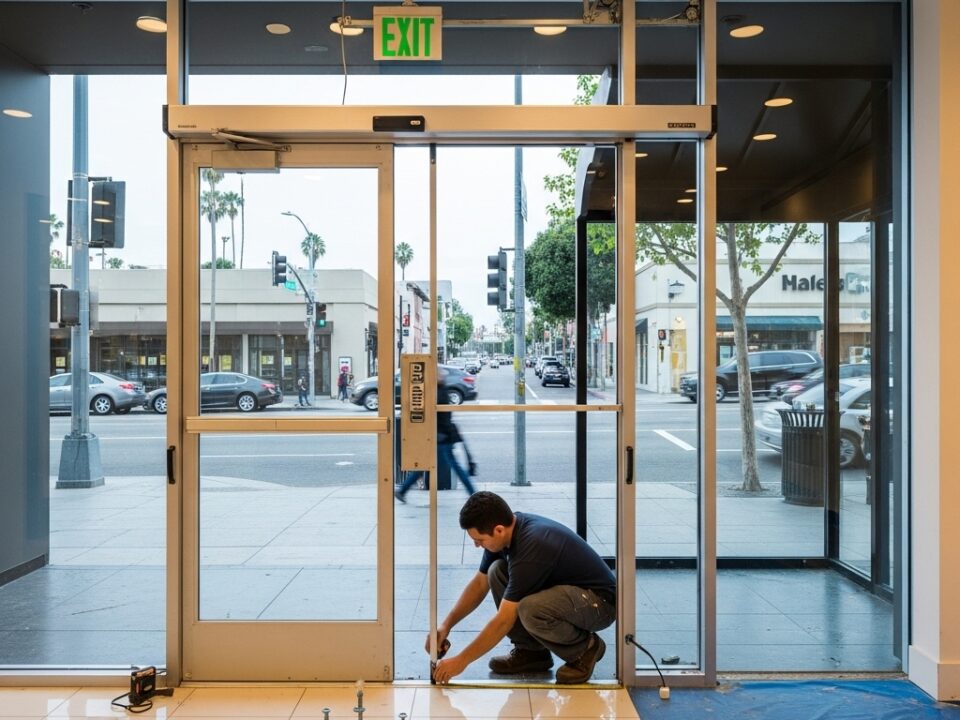
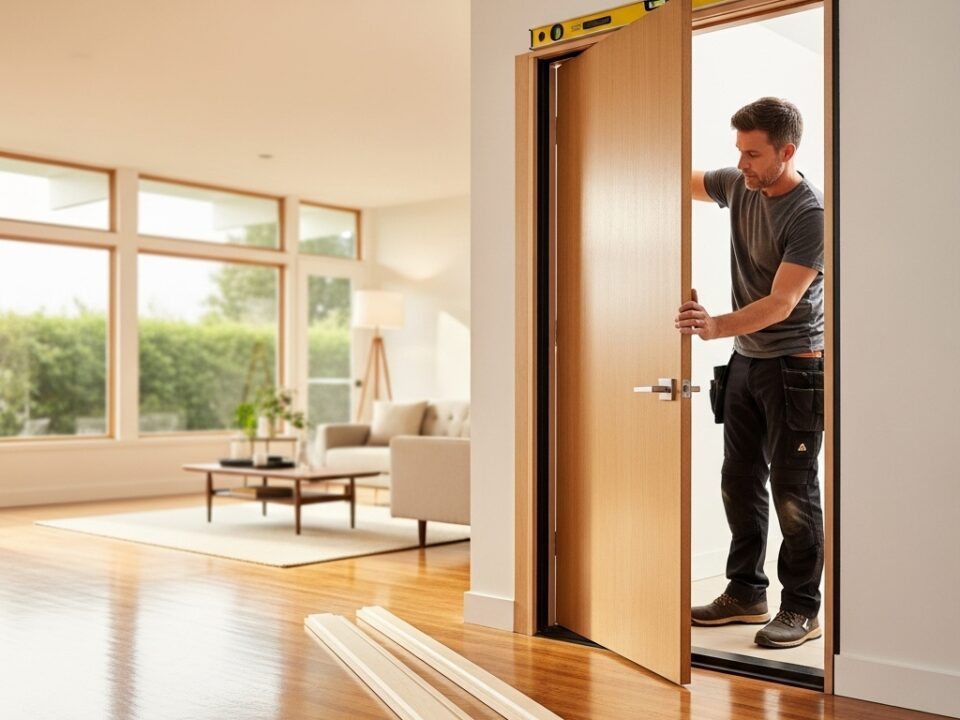
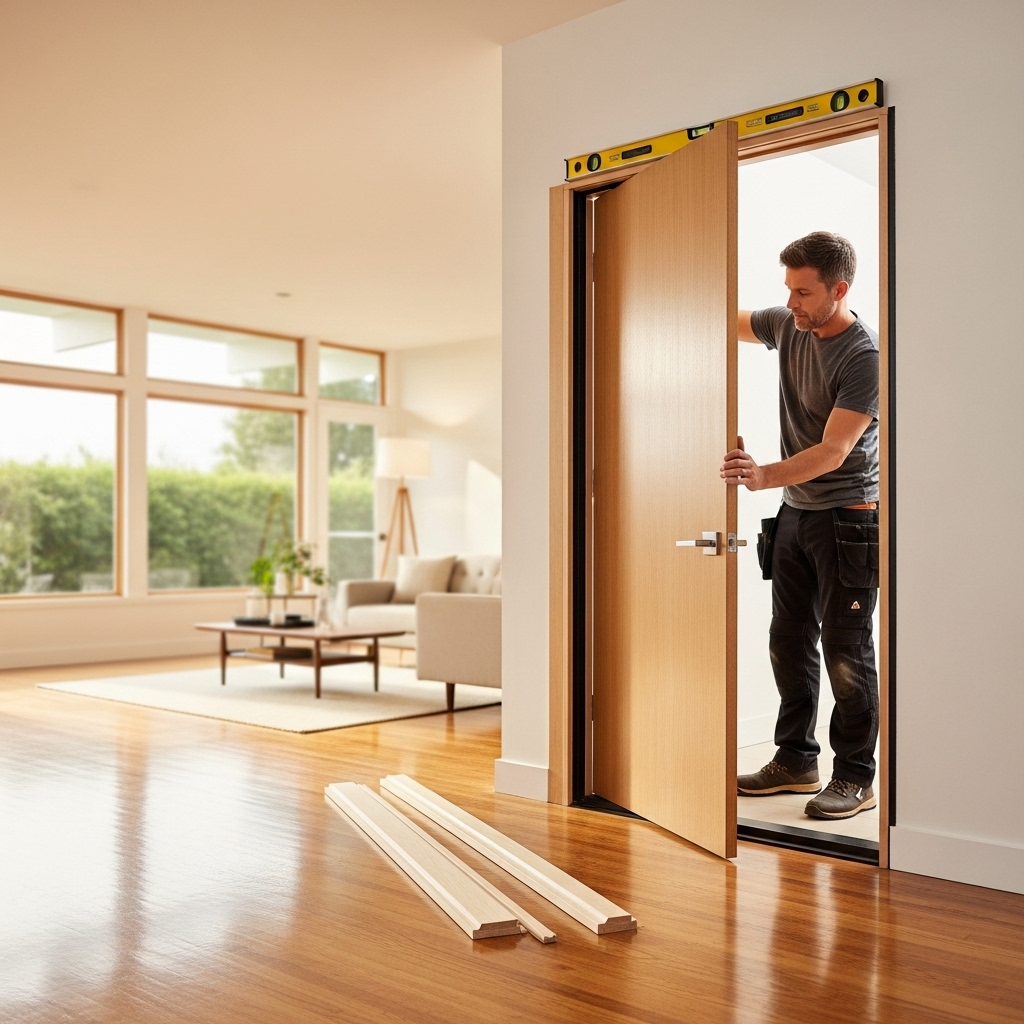
Measurements tell the truth. We check plumb, level, and diagonals; inspect the slab for humps; and plan shimming to support the frame without distorting it. We then set the unit, fasten into structure, and test operation before sealing. Sealing happens in layers: insulation around the frame, interior air seal for comfort, and exterior weather seal for durability. Each bead of sealant has a purpose, each fastener is placed with intention. The result is a door that feels solid in the hand and performs steadily through the seasons.
Finishes and ongoing care
A little maintenance preserves performance. Clean weatherstripping and thresholds to remove dust. Watch sun-exposed finishes and refresh coatings as recommended to keep surfaces protected. If hardware loosens with seasonal shifts, a quick tune keeps latches and sweeps in perfect alignment. Think of it as caring for a finely adjusted instrument—small checks keep the music right.
Working with a local specialist
Energy efficiency is both science and craft. A local team understands the rhythms of our climate, the idiosyncrasies of stucco openings, and the practical realities of busy family life. They can help you weigh material choices against exposure, choose glass that supports daylight without overheating, and plan the details that keep dust and drafts at bay. Just as importantly, they respect your schedule, protect your home during the work, and leave you with a clean, polished finish that feels tailored rather than generic. If you want to cut through jargon and get to clear, actionable choices, start with an expert who treats door installation as an integrated performance upgrade, not just a swap.
Frequently asked questions
Will an energy-efficient door make a noticeable difference in comfort?
Yes. Better cores, quality seals, and appropriate glass reduce drafts and hot spots, creating more even temperatures from room to room. Most homeowners feel the change right away, especially near entries and patio doors that used to run warm or cool with the weather.
Do I have to choose fiberglass or steel to get good efficiency?
No. While fiberglass and insulated steel excel, well-built wood doors can perform admirably when properly finished and paired with quality frames and weatherseals. The key is matching material to exposure and maintaining finishes so the door stays stable over time.
What about the threshold—does it really matter?
Very much. The threshold is where air, water, and foot traffic meet. A correctly set threshold, aligned with the door sweep and supported by a sill pan where appropriate, is essential to comfort and durability. It’s a small component with outsized influence.
Will new patio doors reduce outside noise?
Often yes, particularly if you choose laminated or acoustic glass and robust weatherseals. Many homeowners report a calmer soundscape after upgrading older sliders or French doors that had warped frames and tired sealing surfaces.
How long does installation take?
Many single-door projects finish in a day, with finish work scheduled as needed. Larger patio systems or opening modifications take longer to allow for framing, track setup, and precise adjustments that preserve energy performance.
If you’re ready to make your home more comfortable, quiet, and resilient through the seasons, let’s design an upgrade that blends science and craft. Start the process with a conversation about high-performance door installation and enjoy the difference every time you open and close.