Door Installation Cost in Woodland Hills, California Explained

Iron Door Cost in Woodland Hills, California Explained
December 5, 2025
Residential Door Installation in Woodland Hills, California
December 10, 2025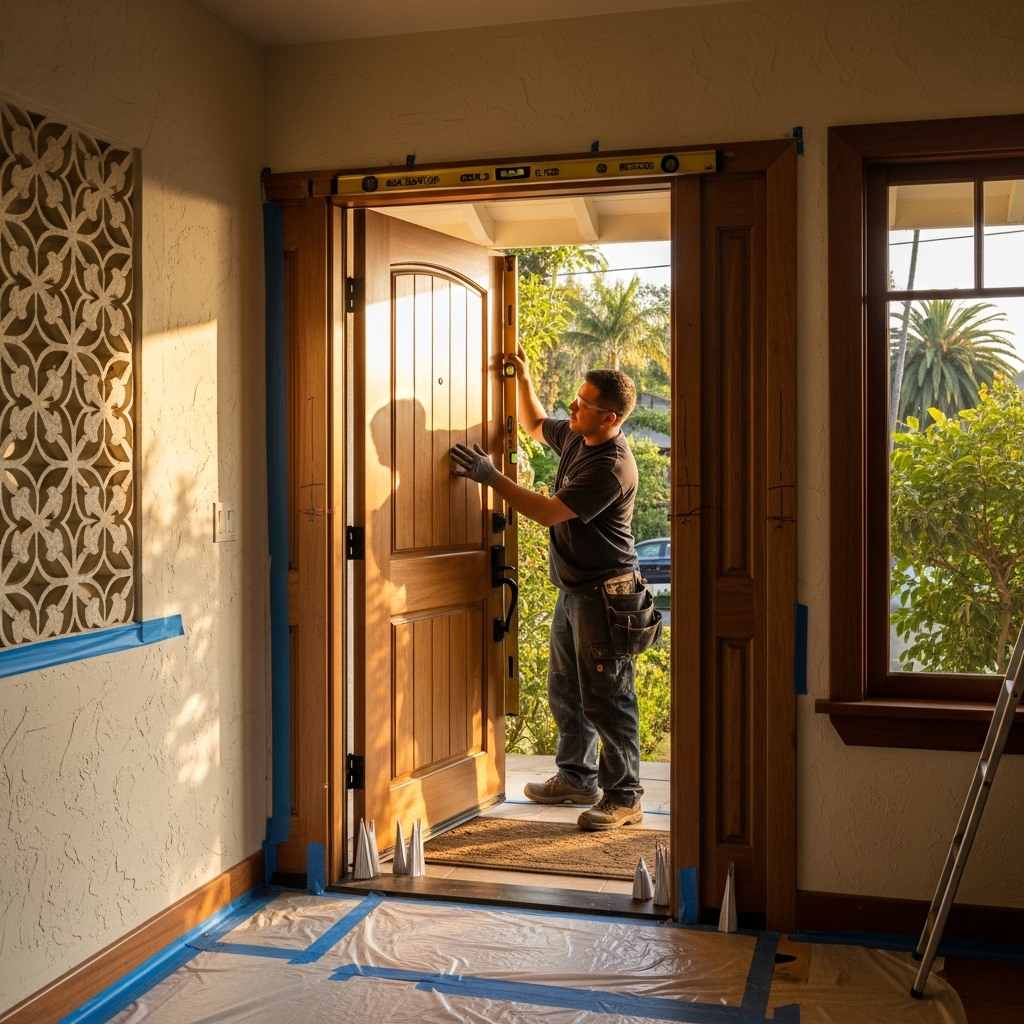
If you live in Woodland Hills, you already know our neighborhoods span everything from mid-century ranch homes tucked behind mature trees to modern hillside builds with sweeping views of the Valley. When people here ask what really goes into the cost of a new door, what they are almost always asking is how to plan smartly for a project that elevates curb appeal, improves comfort, and enhances security without surprises. As a local who has walked countless driveways from Carlton Terrace to Walnut Acres, I can tell you that the conversation is less about a single number and more about the interplay of materials, site conditions, craftsmanship, and long-term value. Right from the start, understanding the elements that shape quality door installation helps you make confident choices that fit your home and your priorities.
Why costs vary so widely in Woodland Hills
Two homes on the same street can have very different door installation paths. One may be a straightforward replacement with a standard-size prehung unit; the other might require reframing, stucco repair, and custom hardware to match an existing design theme. In Woodland Hills, the age and style of the property greatly influence the scope. Many Valley homes have settled over decades of dry summers and occasional winter downpours, leading to slightly out-of-square openings. When a new door must be installed perfectly plumb and level, the jambs and framing often need attention to ensure proper clearance and a tight, quiet latch. These corrective steps aren’t glamorous, but they are the building blocks of longevity and smooth operation.
Climate also plays a role. Our hot afternoons and cool evenings create expansion and contraction cycles that punish ill-fitted doors. A door that’s installed without proper shimming, weathersealing, and threshold alignment may look fine on day one but can bind, squeak, or leak air six months later. Accounting for Woodland Hills’ temperature swings and occasional Santa Ana winds during installation is part of why high-quality work yields a calmer, draft-free interior over time. That attention to detail is an essential factor in the overall project picture.
Material choices and the story they tell
Material is the first visible driver of door project scope. Solid wood makes a statement and brings natural warmth, but it demands precise finishing and ongoing care, especially on sun-exposed facades. Fiberglass has surged in popularity because it can convincingly mimic wood grain while resisting warping and cracking. Steel offers excellent security and a clean, modern profile when properly insulated and finished. Each direction implies different preparation steps, finishing methods, and hardware compatibility. If the door includes glass, the glazing type matters too. Dual-pane tempered units improve comfort and reduce neighborhood noise, while specialty glass options can bring privacy or sculptural beauty. Woodland Hills homeowners often balance style with performance, choosing glass that filters bright afternoon light without turning the entry into a hot spot by sunset.
Hardware is an area where small choices add up. Heavier doors need premium hinges, reinforced strike plates, and properly sized screws that bite deep into framing. Smart locks and keyless systems have become standard for many high-end installs, but they require careful alignment and door prep so that electronics operate reliably. Consider the feel of a latch, the sound of a door closing, and the tactile experience of your handle set. When everything is tuned, the door has that satisfying, solid “thunk” that signals quality and security every time you step inside.
Size, configuration, and opening modifications
The simplest project is a like-for-like replacement in an opening that’s already true. Things evolve when you change configuration—say, turning a single entry into a wider double door, or swapping a dated side-light setup for a larger glazed unit that welcomes more natural light. Anytime the opening grows or shifts, expect work on framing, sheathing, and exterior finishes such as stucco or siding. Inside, baseboards and casing may need to be modified to maintain crisp lines. These details ensure the new door isn’t just inserted but is integrated, respecting the architecture and maintaining a seamless visual flow from exterior to interior.
On hillside properties or custom builds, we sometimes discover structural quirks that require creative solutions. For example, the original builder may have shimmed the jamb to compensate for a sloping slab or an uneven subfloor. If we’re correcting old compromises, we plan for a precise sill, a true jamb, and airtight weatherstripping. While these steps add effort, they pay off in performance—quieter interiors, smoother operation, and a longer life for the door and hardware.
Weatherproofing, thresholds, and the specifics of our Valley climate
Weatherproofing in Woodland Hills isn’t a one-size-fits-all checklist. Sunny southern and western exposures bake finishes and shrink seals faster than shaded sides of a home. A proper installation includes a threshold or sill pan that manages incidental water, especially if the entry is not fully protected by an overhang. We also look at wind-driven dust from the canyon breezes and how it can infiltrate a loosely sealed door. Quality weatherstripping, tight jamb reveals, and a carefully set sweep make a measurable difference in how clean and comfortable your foyer feels year-round.
Another local nuance is stucco. Many Woodland Hills homes are stucco-clad, and cutting cleanly back to the proper plane, then finishing around the new frame, is as much an art as a trade. A crisp stucco return around the new door prevents hairline cracks and keeps the aesthetic consistent with the rest of the elevation. That finish work often distinguishes a quick swap from a professional, lasting result.
Permits, codes, and HOA considerations
While many door replacements are straightforward, some projects benefit from permit oversight, particularly when changing structural openings or when the door serves a fire-rated separation, such as between a garage and the home. Commercial-grade latches on a residence, tempered glass near the floor, and egress clearances are all parts of the California code landscape that informed installers navigate daily. If you live in a planned community or a street with architectural guidelines, an HOA may also care about panel patterns, colors, and visible hardware. Coordinating approvals keeps your project moving and prevents frustrating redos.
Good teams are proactive on these details. They explain what needs to happen and when, handle documentation where required, and respect the schedule pressures that come with busy family life. Nothing is more reassuring than knowing the person guiding your installation has managed similar situations on the same kinds of homes just a few blocks away.
Removal, disposal, and site protection
Preparation is a cost driver that’s often underestimated. Protecting floors, moving furnishings, and staging tools and materials to minimize disruption all take time, but they also protect your investment and peace of mind. Removing an old, swollen jamb without damaging plaster, or pulling decades-old nails that have rusted in place, can be delicate work. Then there’s disposal: responsible recycling or trash handling is part of a professional job, not an afterthought. When all of this is done properly, the new door feels like it’s always belonged, and the home is left clean, not in disarray.
Finishing, painting, and the art of the reveal
Even the finest door looks unfinished until the trim is set, the reveals are tight, and the finish matches the home’s character. Stain-grade wood doors demand patient sanding, sealers, and UV-resistant topcoats to maintain color under our intense sunlight. Painted doors need the right primer and a clean, dust-free environment to produce a durable, even sheen. Interior casing and exterior trim are the framing that make the door shine. The reveal when you step back—sightlines straight, hardware aligned, sweep gliding smoothly—becomes the daily experience that makes you proud of the investment.
Balancing budget with long-term value
Most homeowners want to know where their money does the most good. The answer is in the combination of a well-chosen door, correct prep, and meticulous installation. Spending time on accurate measurement, verifying the squareness of the opening, and selecting weatherstripping that matches the door’s weight may not be flashy, but these steps prevent callbacks and frustrations. In Woodland Hills, where the afternoon sun and evening breezes stress materials in different ways, that long-term stability translates into fewer drafts, better sound control, and a smoother, quieter door that simply feels better to use day after day.
Another way to look at it is through total ownership. A budget unit installed in a hurry may need adjustments, replacement hardware, and touch-up finishing sooner than you planned. A thoughtfully specified door, expertly hung, often serves for decades with minimal maintenance. If you’re weighing options, ask your installer to walk you through specific examples from local homes—how a certain fiberglass model performed on a west-facing façade, or how a particular insulated core improved comfort in a busy family room. Informed choices, not guesswork, make the project satisfying from the first close.
Choosing a team that lives and works here adds an advantage. Local pros know which trims hold up, which thresholds shrug off dusty winds, and how to phase a project so your life isn’t upended. When you’re comparing proposals, focus on scope clarity, material details, and real craftsmanship. The right partner treats your project as a custom fit, not a quick swap. If you want to talk through options in plain language and understand what will truly serve your home, have a conversation with a specialist who prioritizes precise, code-compliant, and beautiful door installation rather than a one-size-fits-all approach.
Timelines, scheduling, and what to expect on installation day
Once materials are on site and the opening is measured and verified, a typical residential installation can often be completed in a day, with finishing and paint following as needed. More complex projects—like widening an opening or integrating new side lights—require additional time for framing, exterior finish work, and curing or drying of stucco and coatings. Expect a clear plan for protecting your home, including dust control, floor protection, and a clean path in and out. A well-run crew keeps the site orderly, communicates milestones, and never rushes the final adjustments that make a door feel solid and effortless.
Communication matters. A good installer explains the sequence, checks hardware preferences with you before drilling a single hole, and walks you through operation and maintenance at the end. You should feel empowered to use and care for your new door as soon as the last drop cloth is folded up, with no mysteries left about latches, hinges, finishes, or future touch-ups.
Common pitfalls—and how to avoid them
The most common missteps come from underestimating what it takes to make a door operate correctly in an imperfect opening. If a jamb is racked or a threshold is set too high, you may get scraping, air leaks, or premature wear on weatherstripping. Skipping a sill pan where one is needed risks moisture intrusion. Installing heavy hardware on an unreinforced door can lead to sagging. These are solvable issues when addressed upfront. The cure is careful assessment, measured planning, and respect for the house as it stands today, not as it appeared on the original plan decades ago.
Another pitfall is letting aesthetics outrun practicality. A dramatic glass panel looks terrific but may demand special coatings in bright exposures to prevent heat buildup. A deep, richly stained wood needs maintenance in a full sun setting to honor its beauty over time. Balancing design intent with real-world performance keeps your entry both stunning and sustainable.
How Woodland Hills homes benefit beyond the threshold
There’s a moment many homeowners describe after a well-executed installation: the home simply feels calmer. Street noise softens. The entry locks with a confident click. The light quality improves. The foyer doesn’t feel drafty at night. These sensory shifts matter to daily life. In our community, where outdoor living blends with indoor comfort, a better-insulated, better-sealed door supports efficient climate control and complements upgrades like new windows, attic insulation, or smart thermostats. Although a door is a single component, it impacts the tone of the entire home.
Frequently asked questions
How long does a typical door installation take?
For a standard replacement in a prepared opening, installation often fits into a single day, with any painting or staining scheduled before or after depending on the product and finish. Larger transformations, like changing from a single door to a double or adding sidelights, extend the timeline to allow for framing adjustments and finish work. Your installer should offer a clear schedule at the outset, including contingencies if hidden conditions appear when the old unit is removed.
Do I need a permit to replace my front door?
In many cases, a direct replacement does not require a permit, but changes that affect structure, egress, or fire ratings may bring permit requirements into play. Because rules can vary and evolve, it’s wise to have your installer confirm with local authorities, particularly if you’re altering the opening size or introducing substantial glass near the floor.
What type of door performs best in our climate?
Fiberglass and insulated steel are popular for their dimensional stability and energy performance in the Valley’s heat, while high-quality wood doors remain a favorite for character when properly finished and maintained. The “best” option depends on your exposure, design goals, and maintenance preferences. A good local pro will weigh sun, shade, and daily use to guide the material choice that matches your lifestyle.
Is it worth upgrading hardware and weatherstripping?
Absolutely. Premium hinges, reinforced strike plates, and well-matched weatherstripping deliver smoother operation, better security, and quieter closes. These parts carry a lot of daily load and make the difference between a door that feels loose and one that feels solid for years.
Can an old, out-of-square opening be corrected?
Yes. Skilled installers have multiple ways to true an opening, from adjusting shimming strategies to reframing sections of the jamb or threshold. Correcting the geometry ensures the door seals evenly and operates without binding, preventing long-term problems that lead to premature wear.
Will installation be messy?
It doesn’t have to be. Proper site protection, thoughtful staging, and disciplined cleanup minimize disruption. Ask your installer how they protect floors, manage dust, and handle disposal. You should expect a clean handoff when the work is complete.
What should I do to prepare my home?
Clear a path to the entry and remove decor or furniture near the work area. If you have pets, plan for their comfort and safety during the day. Your installer may also ask you to confirm hardware selections and finish choices in advance to keep the schedule moving smoothly.
If you’re ready to upgrade your entry with craftsmanship that respects your home and your schedule, reach out to a local team that takes pride in precision. Start the conversation today, and let’s plan a smooth, beautiful transformation centered on expert door installation that feels right from the first close.