Commercial Door Installation in Woodland Hills, California

Residential Door Installation in Woodland Hills, California
December 10, 2025
Energy Efficient Door Installation in Woodland Hills, California
December 10, 2025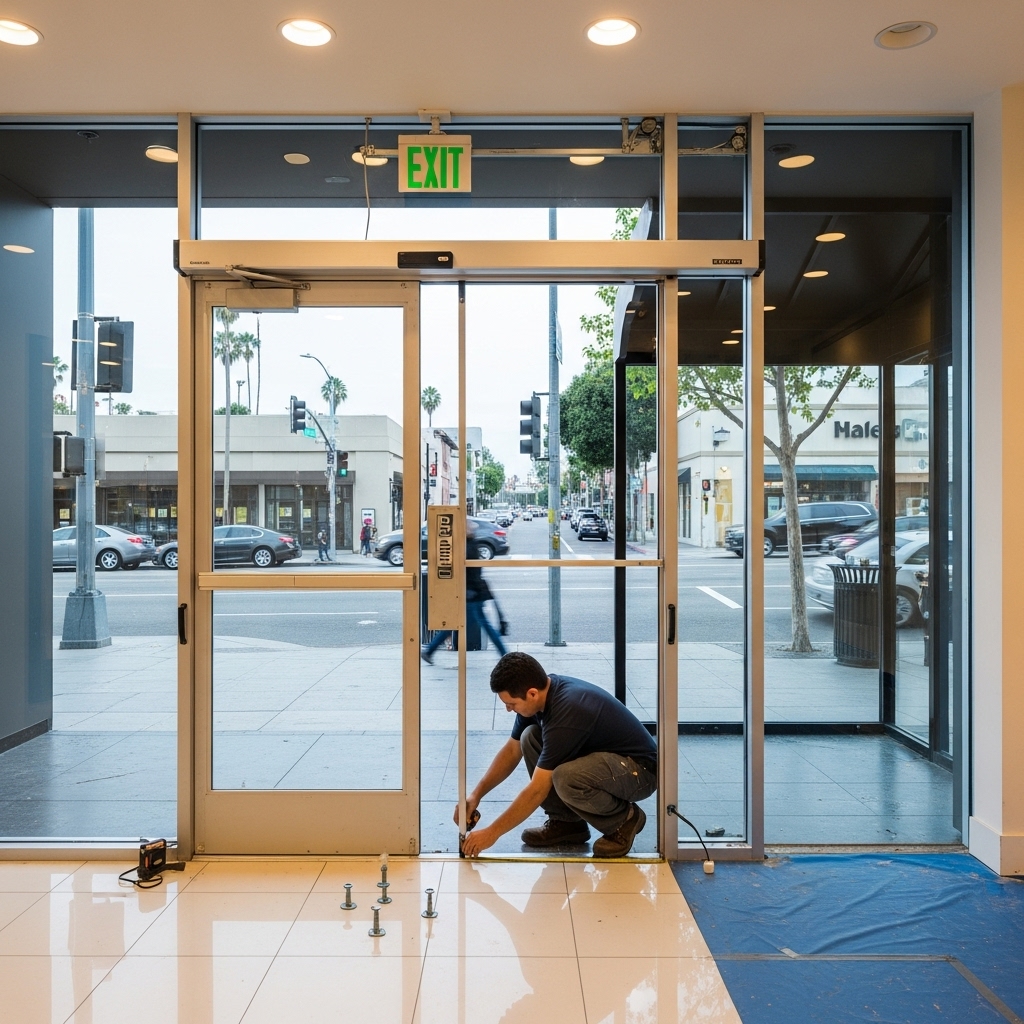
From Ventura Boulevard storefronts to medical suites and creative offices tucked just off the 101, Woodland Hills businesses operate in spaces that need to be welcoming, secure, and compliant. Commercial door installation sits at the crossroads of all three. It shapes first impressions, supports daily operations, and ensures you meet life-safety and accessibility standards without compromise. When you choose a partner who knows the local codes, the pace of Valley retail and office life, and the expectations of property managers, the door becomes an asset you don’t have to think about again. Thoughtful planning and disciplined execution are what separate a smooth project from one that disrupts your team and your customers. It all starts with clear goals and ends with professional door installation that simply works.
Understanding occupancy, use, and flow
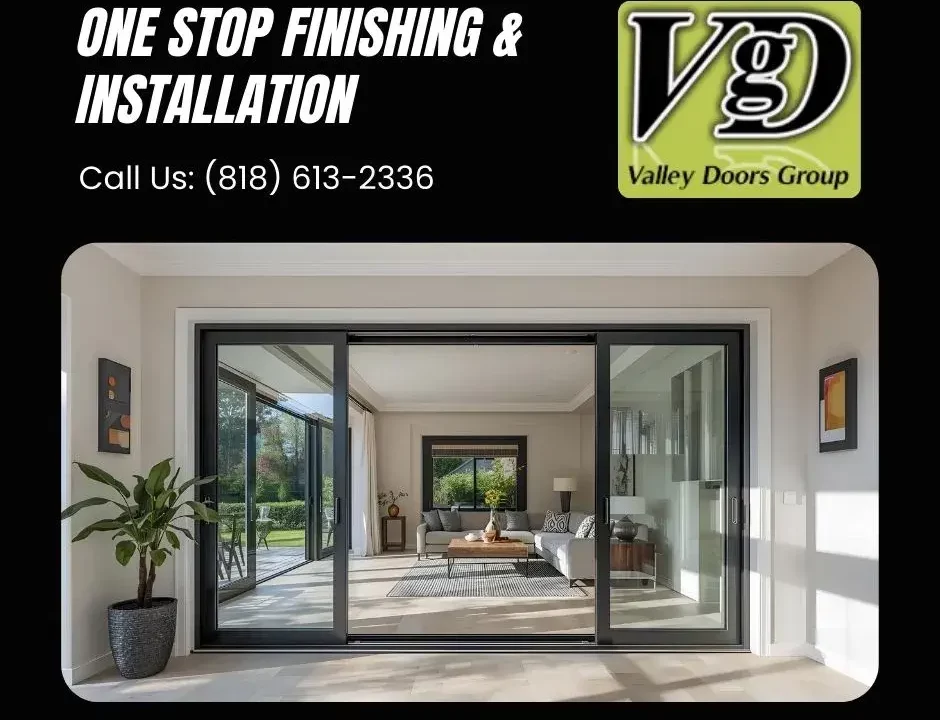
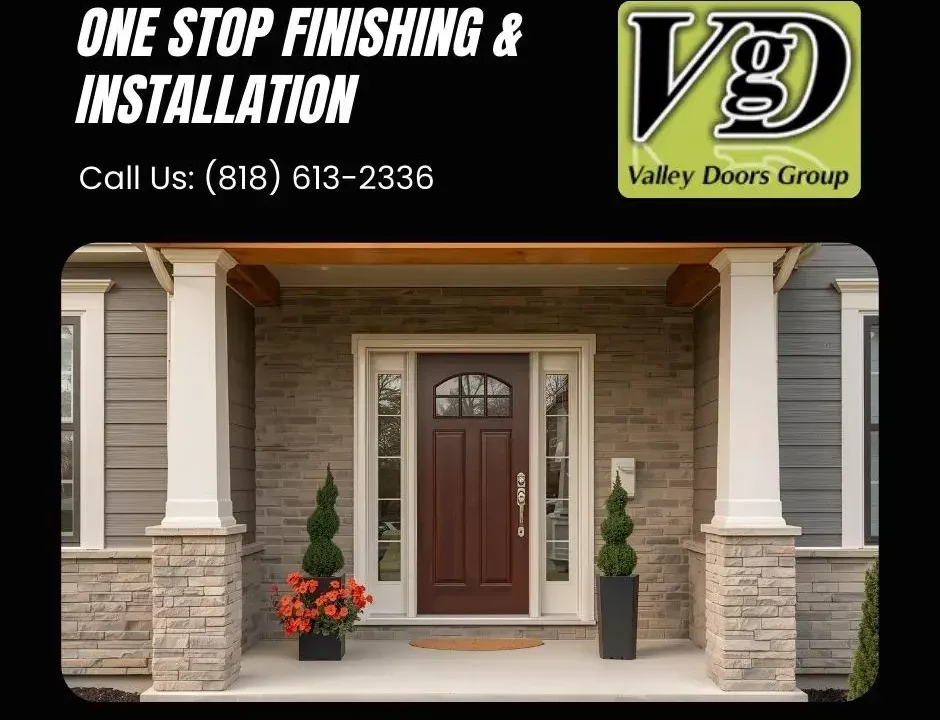
No two commercial spaces move the same way. A café with morning rushes has vastly different traffic patterns from a second-floor dental practice or a fitness studio with bursts at the top of the hour. The door type follows the flow. Aluminum storefront systems with tempered insulated glass create visibility and brand presence for retail; hollow metal doors with robust frames anchor back-of-house security; and solid-core wood or laminate doors elevate interiors in conference rooms and private offices. In every case, the width, swing, clearance, and hardware are chosen to fit how people move—clients, staff, deliveries—while aligning with egress rules and accessibility.
Code compliance without drama
Compliance is non-negotiable, but it doesn’t have to be stressful. Panic hardware, closer sizing, opening force, and clear width are measured against current standards. Tempered or laminated glass is placed where people can walk into it, and vision panels are sized for safety and discretion. In medical and educational settings, infection-control or fire-rating requirements may apply, and in multi-tenant buildings, property standards guide finishes and hardware styles. A team experienced with local inspectors and property management expectations helps you navigate submittals, timing, and approvals so the door is one less item on your punch list.
Accessibility is foundational. Woodland Hills is part of a region that takes accessibility seriously, and doors that are too heavy, lack proper clearances, or have thresholds that snag mobility devices are unacceptable. Automatic operators, low-energy swing solutions, or well-tuned closers can all achieve smooth, compliant access when specified and installed correctly.
Security, durability, and the business case for quality
Commercial doors carry heavy workloads. Door cycles in retail and service environments are counted in the thousands, and hardware must hold alignment under constant use. Reinforced strike plates, continuous hinges, and properly anchored frames resist wear and tampering. Access control—card readers, keypads, electrified strikes—must be coordinated with hardware so the system is reliable and code-compliant. When the opening is engineered as a whole, you get fewer service calls, fewer after-hours headaches, and a safer workplace.
For storefronts, glass specification matters. Laminated glass can add a layer of security and sound control without compromising transparency. For interior offices, acoustic cores and seals create quiet zones for focus and confidentiality. These details reinforce brand quality in subtle ways that clients feel the moment they cross the threshold.
Scheduling work to fit your operations
Commercial projects succeed when they respect business rhythms. Off-hours installation, phased work areas, and precise coordination with other trades keep your operations running. Retail tenants on Ventura Boulevard can’t afford dust drifting onto displays at lunchtime; medical suites can’t have noisy demolition mid-appointment. A disciplined team preps, protects, and communicates, staging materials efficiently and cleaning thoroughly at the end of each shift. The goal is simple: your customers should remember your service, not the construction day.
Existing conditions and the realities of retrofit
Replacing a door in a decades-old building requires a clear-eyed look at what’s there. We often encounter frames racked by settling, thresholds worn into tripping hazards, and improvised hardware stacks that grew over time. Correcting these conditions is part of doing it right. That may involve reframing to achieve square geometry, resetting thresholds to eliminate snags, and consolidating hardware into a coherent, secure set that integrates with access control. On stucco or brick facades, cutbacks and clean returns maintain the building’s aesthetic while ensuring weather resistance and durability.
Storefront systems: branding meets performance
Storefront doors are signage in motion. The profile, handle, and glass clarity all communicate your brand. But they also need to perform—closing softly behind clients, sealing out dust from busy boulevards, and resisting the Valley’s afternoon heat. Thermally improved frames, the right glass coatings, and well-tuned closers make day-to-day operation effortless. Frequent-use entrances benefit from continuous hinges and durable sweeps that can be replaced without disrupting business.
Interiors: privacy, acoustics, and polish
Inside offices and studios, doors do quiet work. They dampen conference chatter, create heads-down zones, and guide visitors subtly through a space. Solid-core doors with quality seals, lever hardware that feels solid in the hand, and closers tuned to a gentle close all elevate the experience. In creative or wellness environments, glass doors and sidelights can preserve openness while controlling sound with laminated or acoustic glazing. The finish carpentry—precise casing, clean reveals—provides the polish that clients notice without knowing why.
Installation craft and the value of a local partner
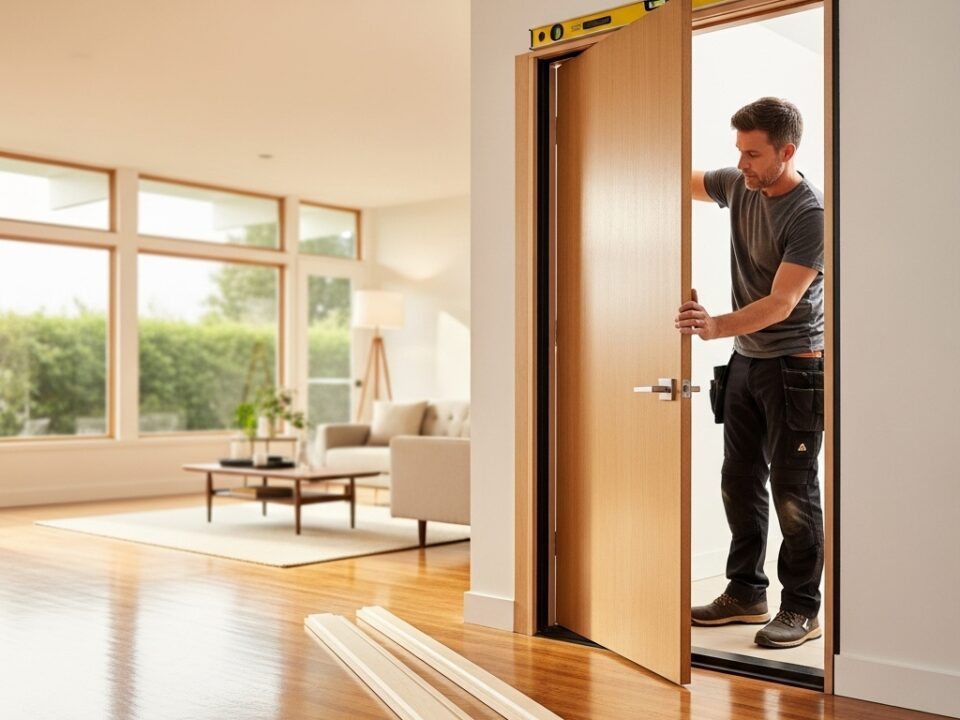
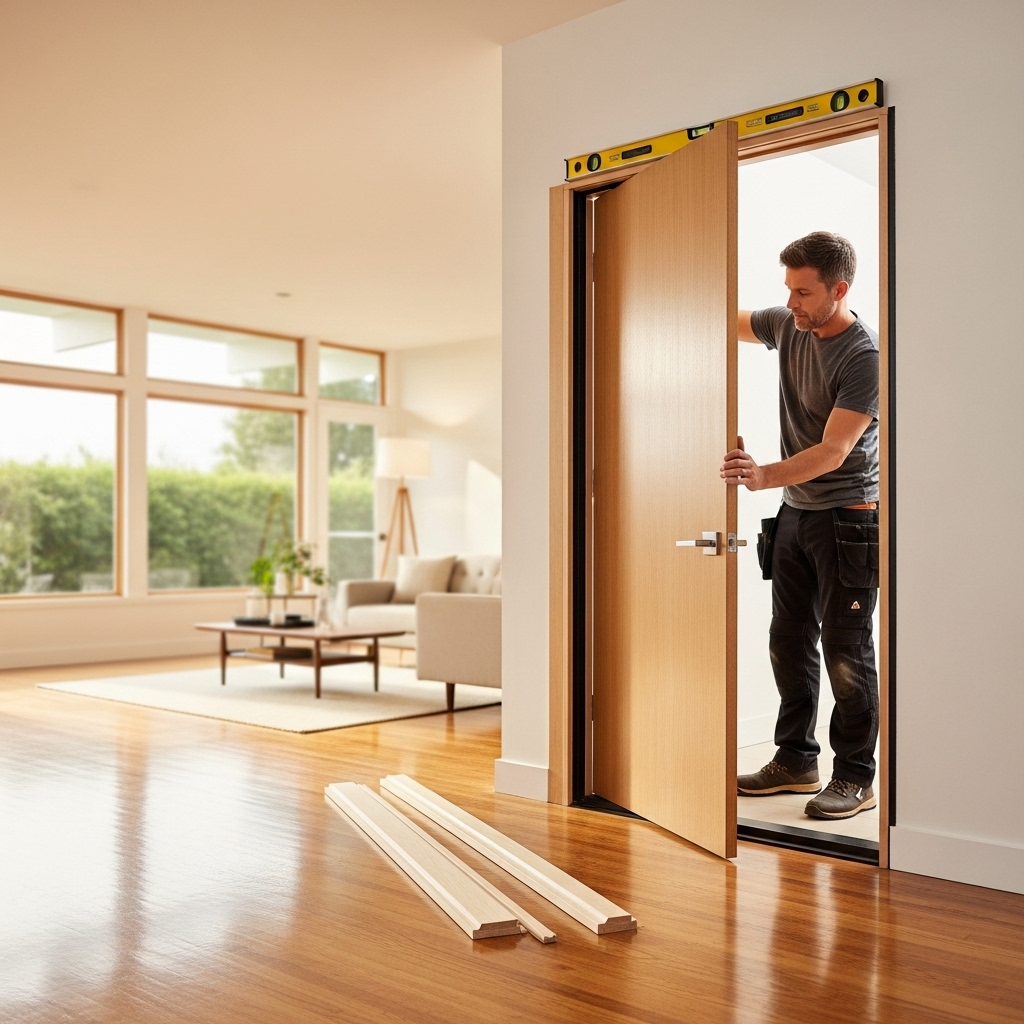
Commercial installations reward craft. Plumb frames, properly set anchors, and hardware aligned to the last fraction of an inch ensure reliability under heavy use. In Woodland Hills, we also respect the building stock: a mix of mid-century retail shells and modern mixed-use structures. Knowing what to expect behind the walls avoids surprises and speeds the work. A local partner can anticipate where stucco needs extra care, where slab irregularities might call for threshold solutions, and how to phase work so operations continue smoothly.
When choosing among proposals, look for scope clarity: product specifications, hardware schedules, access-control coordination, and finishing plans. Teams that treat door installation as a systems integration task—not just a carpentry task—deliver results that endure day after day.
What happens after the door closes: maintenance and support
Even the best commercial doors benefit from periodic tuning. High-traffic entrances need sweeps checked, closers adjusted, and hinges tightened on a regular schedule. A responsive service relationship keeps your openings compliant and trouble-free, so you’re focused on business, not binding latches. Think of it as preventive care that preserves the investment you’ve made in reliability and customer experience.
Frequently asked questions
Can door upgrades improve both security and customer experience?
Yes. Better hardware and reinforced frames increase security while tuned closers, smooth thresholds, and high-quality glazing make entrances quieter and more comfortable for customers. The best projects serve both goals without compromise.
Do storefront replacements require closing the business?
Not necessarily. Off-hours work and phased approaches minimize downtime. Clear planning, temporary protection, and rapid cleanup let you open as usual the next day in most scenarios.
How do you handle accessibility requirements?
We specify compliant hardware and operators, confirm clearances, and set closer resistance and opening forces within code. Thresholds are selected to be smooth for mobility devices while maintaining weather resistance where applicable.
What’s different about commercial hardware from residential?
Commercial hardware is built for high cycle counts and integrates with access control and life-safety systems. Reinforced strikes, continuous hinges, and graded components resist wear and maintain alignment under heavy use.
Can you match existing building aesthetics?
Absolutely. From anodized storefront finishes to veneer-matched interior doors and discreet hardware, we tailor the solution to the building and brand, maintaining visual continuity throughout the space.
If your business needs a reliable, compliant, and polished upgrade, partner with a team that understands the stakes and schedules of commercial life. Let’s plan a seamless project centered on professional door installation that supports your brand from first impression to everyday operations.