Wrought Iron Doors for Homes in Woodland Hills, California

Custom Door Supplier in Woodland Hills, California for Unique Designs
December 3, 2025
Decorative Iron Front Doors for Woodland Hills, California Homes
December 5, 2025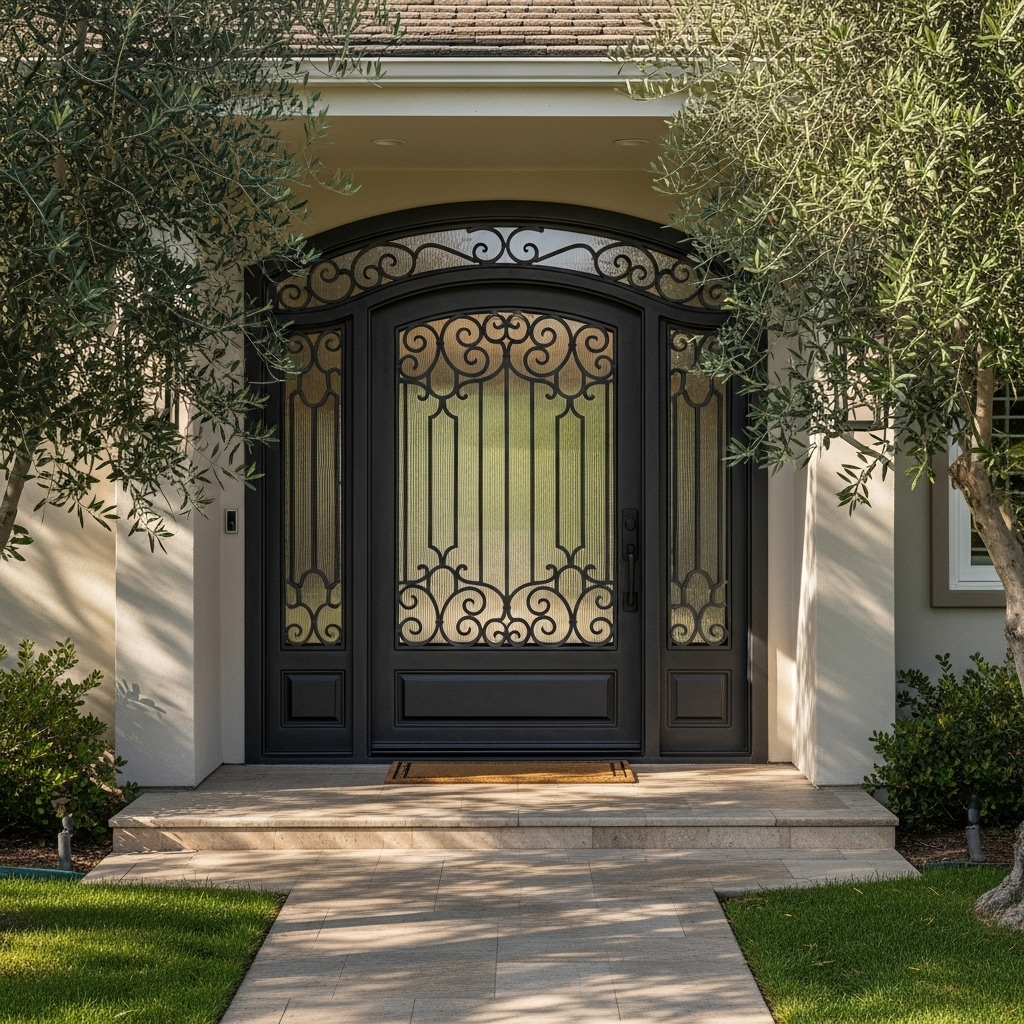
Step out onto a shaded Woodland Hills sidewalk on a warm afternoon, and you quickly notice how much a home’s entry sets the tone for everything behind it. In our blend of hillside streets and leafy cul-de-sacs, a finely crafted wrought iron door is more than an opening; it’s a declaration of character, a handshake with the neighborhood. Over years of helping homeowners across the western San Fernando Valley, I’ve seen wrought iron elevate ranch homes, Spanish Revivals, and newly built contemporaries alike. Early morning sun finds details in the ironwork, the evening breeze carries a soft metallic cool, and every arrival or departure feels a touch more ceremonial. If you’ve been considering the impact of truly distinctive iron doors, you’re already on the path toward one of the most satisfying upgrades you can make to a Woodland Hills home.
Wrought iron, in the hands of a skilled fabricator, is a medium for storytelling. The material’s strength allows for slender lines and intricate scrolls that would be impossible in wood, while its mass brings a reassuring substance you feel with every close of the latch. Here, where the Santa Monica Mountains frame everyday life and gardens bloom nearly year-round, wrought iron doors bridge indoor and outdoor spaces with a sense of permanence. From the first sketch to the last turn of a hinge screw, the journey to the right door is a personal one, shaped by your architecture, your climate, and your routines.
Why wrought iron belongs in Woodland Hills
Our microclimate can be demanding. Hot summers, cool nights, and the occasional Santa Ana wind call for materials that keep their composure. Wrought iron holds steady against heat and sun, and with the right finish it remains handsome season after season. Homeowners who have swapped out tired wooden entries for wrought iron often remark how the new door feels “settled,” as if it has always been part of the home. The finish reflects the landscape—charcoal against green olive trees, bronze tones echoing the tawny foothills—while the glass options tame glare without dimming the interior. Walking up from the driveway after a long commute, that first glimpse of the ironwork can reset the day.
Designing a door that fits your architecture
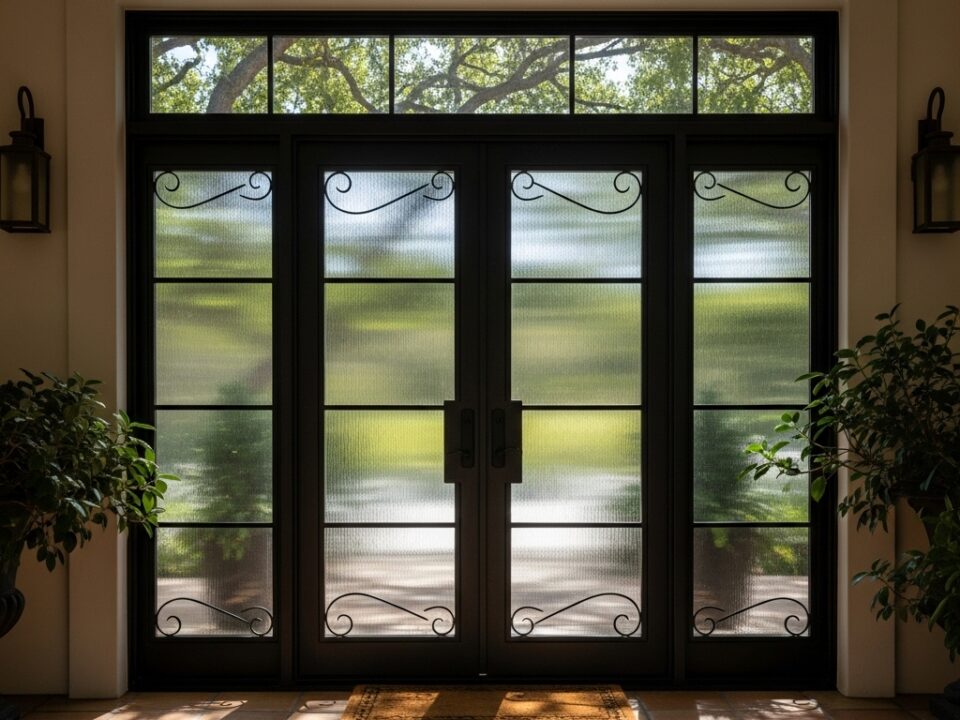
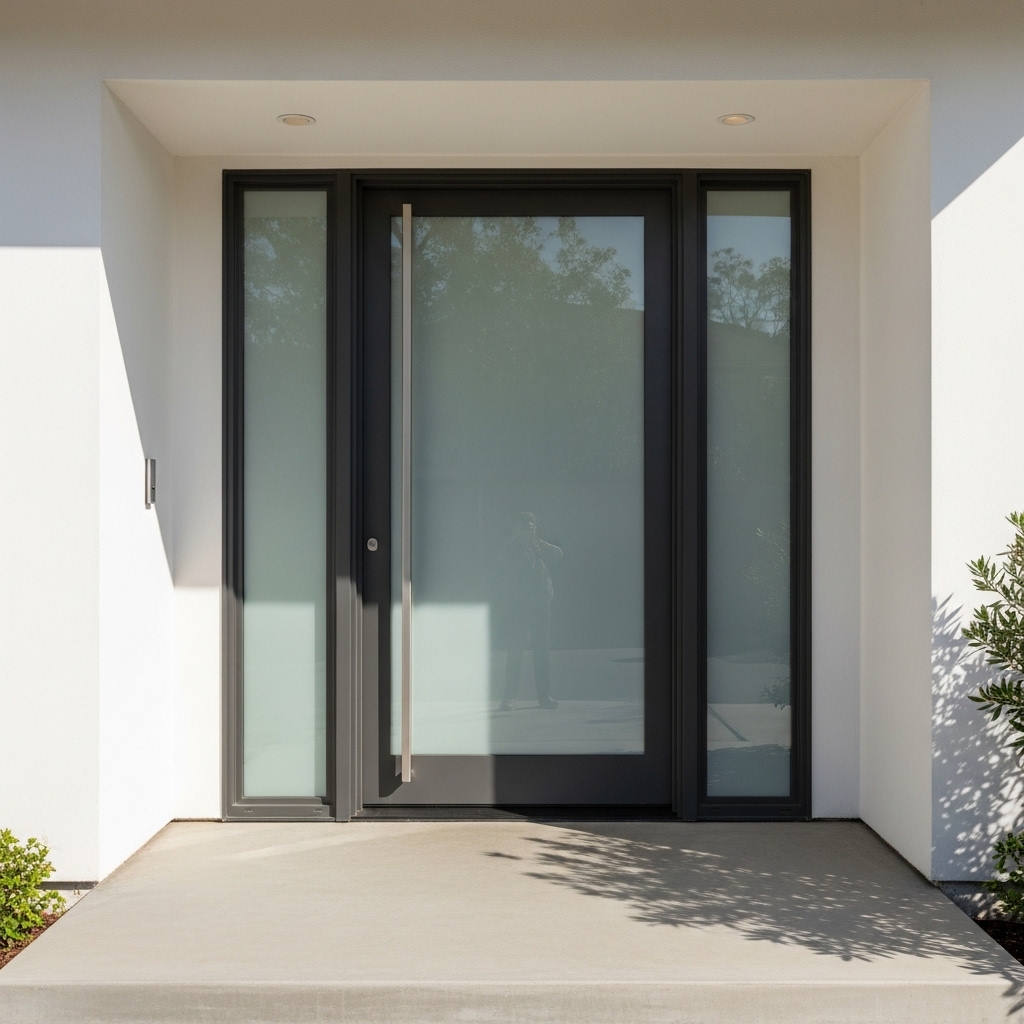
Woodland Hills homes run the spectrum, and wrought iron adapts. On a Mediterranean or Spanish Revival, graceful scrolls and basket twists complement clay tile roofs and arched stucco entries. For single-story ranches, cleaner lines with a touch of geometric rhythm keep the façade grounded. Even on a modern rebuild tucked above Mulholland Drive, a door with narrow stiles and understated grids can add texture without clutter. The key is proportion—sidelights that don’t overwhelm, a transom that balances height with width, and a profile that respects the original massing. When proportion is right, the door reads as architecture, not decoration.
Security with style, not severity
I often hear that wrought iron feels secure in a way other doors do not, and that’s true. But security should be felt, not shouted. Thoughtful fabrication—solid pickets, robust hinges, and precise welds—means the door resists prying and racking. A multi-point lock adds quiet strength without bulky hardware. The artistry softens the message: curves and hand-forged details bring warmth, turning a barrier into a welcome. When friends gather on a Saturday evening and the porch lights glow, the entry says “come in,” even as it protects what matters.
Glass that works with our light
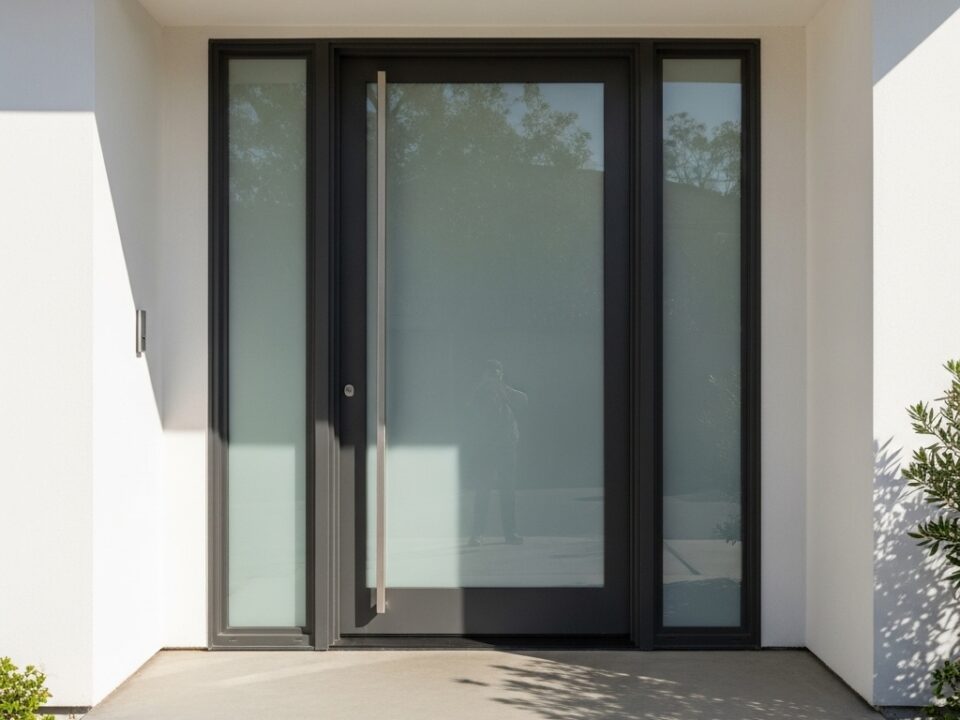
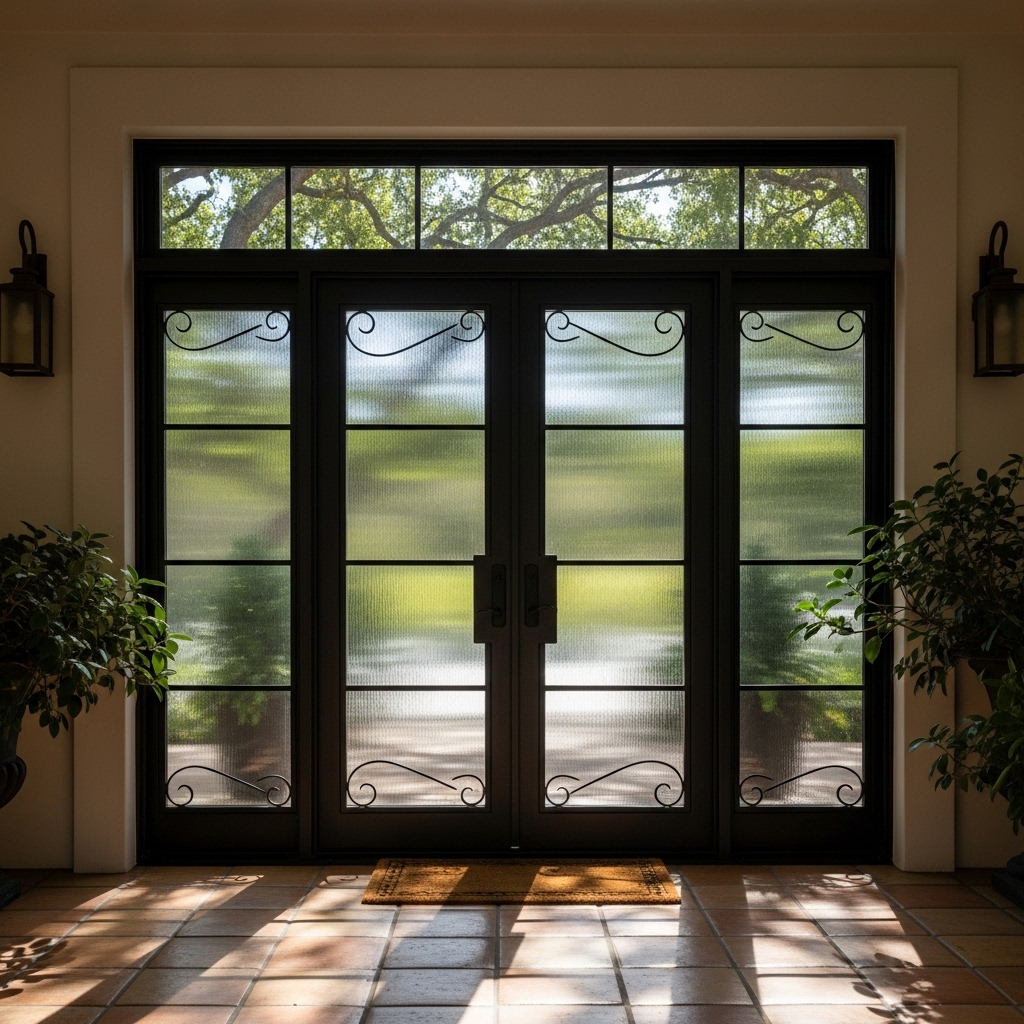
Light in Woodland Hills changes by the hour, from the golden bounce off canyon walls to the sharp noon intensity. Clear insulated glass invites views of trees and sky, while textured or seeded glass preserves privacy on busier streets off Ventura Boulevard. Low-E coatings help mellow summer heat, and laminated options add a layer of quiet for homes near traffic corridors. If your foyer is modest, a larger glass field can extend sightlines and lift the ceiling. If your entry is grand, smaller lites and patterned ironwork keep scale human and inviting.
Finish and maintenance in the Valley climate
A quality finish system begins at the metal: thorough surface prep, primer, and a topcoat suited to UV exposure. Matte black remains a favorite because it pairs with almost any exterior palette and hides dust, while oil-rubbed bronze tones bring warmth beside earth-colored stucco and stone. Care is simple. A quick rinse to clear pollen, a soft cloth to remove smudges, and a seasonal check of weatherstripping and threshold keep the door performing. If a scratch appears, touch-up paint prevents oxidation and keeps the finish honest. Homeowners are often surprised at how little fuss a wrought iron door requires compared with wood, particularly through the heat of late summer.
Craftsmanship you can feel
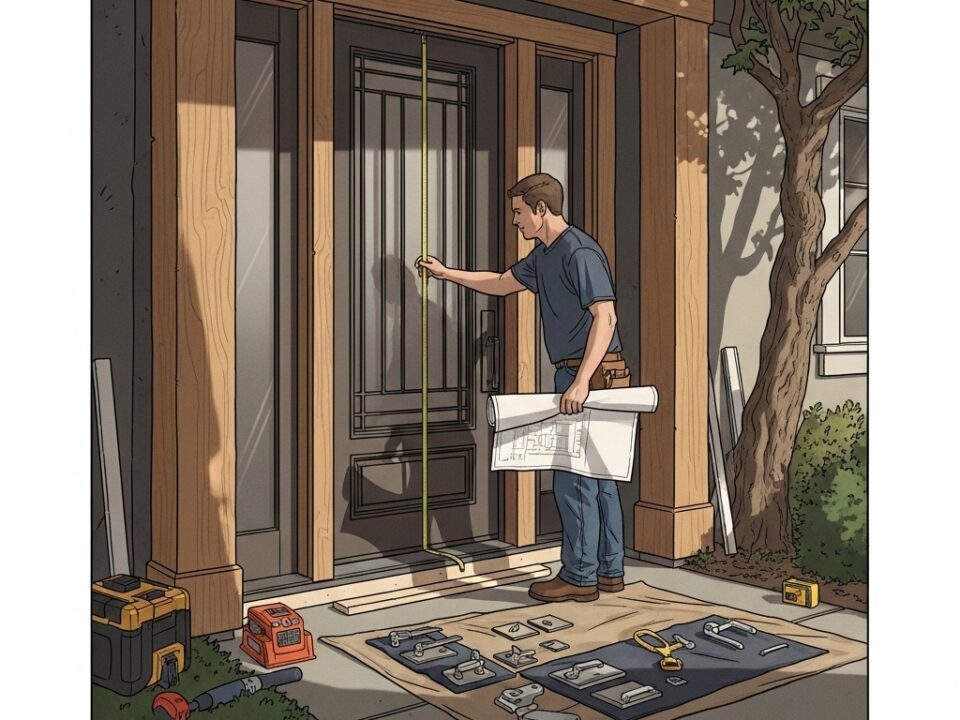
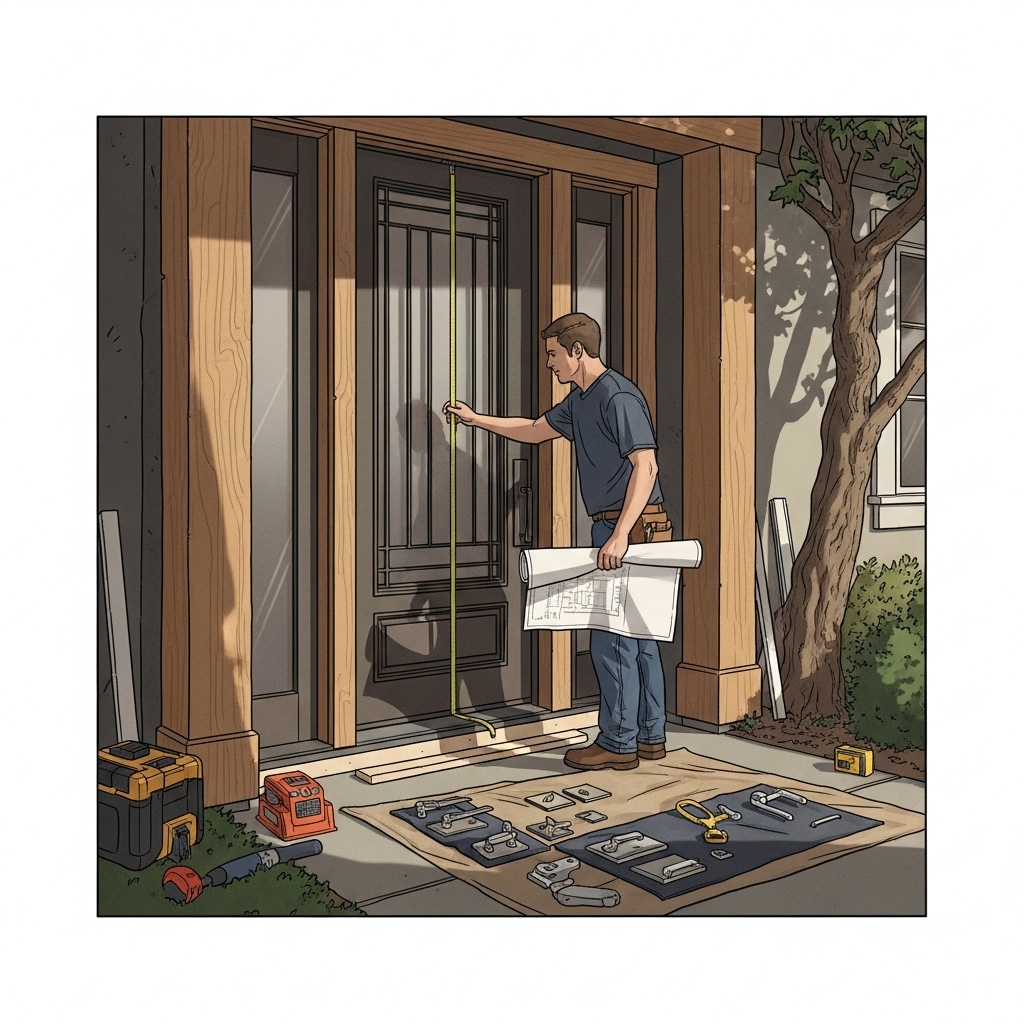
Stand close to a well-made wrought iron door and you’ll notice subtle cues: the clean relief of a hammer mark, the seamless radius of a curve, the way the hinges carry weight without complaint. These are the results of experience. In our area, entries vary in slope and exposure; proper templating ensures the jamb sits plumb, the sweep meets the floor, and the latch engages with a satisfying click. The details don’t shout, but they endure—especially important in a neighborhood where an entry becomes part of daily scenery for decades.
Customization that tells your story
No two families live the same way, so no two wrought iron doors need to be alike. Perhaps you’d like a single door with an operable glass panel for morning ventilation, or a grand double door to echo wide interior volumes. Perhaps the design nods to the fern fronds that flank your walkway or the quatrefoil motif carried through your lighting. This is where sketches become personal. Choosing the arc of the top—elliptical, true radius, or flat—shapes the door’s temperament. Selecting handle styles, backplates, and a complementary knocker adds a final signature, much like choosing the right frame for a painting.
As you weigh options, remember the entry is both backdrop and stage. It frames holiday wreaths and first-day-of-school photos; it sets the mood for the quiet return home after a long day. There’s a reason so many neighbors who began with new landscaping or paint end up completing the picture with a wrought iron door. It carries the narrative of your home’s exterior and pulls it gracefully indoors.
Integrating with Woodland Hills lifestyles
Life here flows between inside and outside. Saturday mornings might mean a hike up Topanga Canyon, afternoons a backyard barbecue under string lights. A wrought iron door with operable glass side panels welcomes cross-breezes without sacrificing security. For those who travel, a sturdy locking system brings peace of mind; for those who entertain, wide double doors ease the movement of guests and platters. When your door selection nods to your routines, the investment pays you back in simple daily satisfactions.
Installation and the neighborhood context
Installation is choreography. The old unit departs, the opening is inspected, shims and fasteners find their exact places, and the new door settles into the frame. On sloped approaches common to hillside lots, attention to threshold height prevents pooling and trip hazards. In gated communities, we coordinate with HOA guidelines so finishes and profiles complement neighboring homes. The result, when done right, is an entry that looks as if it grew there, not one that arrived last week.
Midway through the process, many homeowners revisit their initial inspiration and realize how a few choices refine the final effect. Perhaps the scrollwork could be a touch more restrained, or the glass a shade more private. Samples and mockups help, and revisiting the gallery of iron doors can clarify direction. There’s no rush; the best outcomes come from blending practical needs with the pleasure of looking at something you love every day.
Performance through the seasons
In August, when afternoon temperatures climb, the insulating glass and weatherstripping keep interiors temperate and calm. In December, cool night air stays outside while morning sun enlivens the entry hall. Hinges remain smooth under weight, even when children swing them wide and guests lean in to admire the craftsmanship. The door’s presence is constant but never heavy-handed, an anchor for the façade and a quiet invitation to step inside.
From curb appeal to long-term value
Real estate agents will tell you that first impressions matter, and here that moment happens at the front walk. A wrought iron door can lift the entire exterior—paint looks richer beside it, stone and stucco textures feel more deliberate, and landscaping finds a focal point. Beyond the snapshot, there’s long-term value in materials that age gracefully. Years from now, a light polish and a new planter by the stoop will be all you need to keep the entry feeling current.
Common pitfalls to avoid
If there’s a misstep I see most often, it’s picking a design that overwhelms the façade. Complexity for its own sake reads busy rather than bespoke. Another is neglecting scale: a door too tall or too narrow distorts the composition. Working with accurate measurements, paying attention to sightlines from the street and from inside, and balancing ornament with simplicity produce the most timeless results. Finally, don’t overlook hardware; it’s the handshake you feel daily, and quality makes the difference between a door you tolerate and a door you admire each time you use it.
Walking through your options
The best way to start is to imagine how you want the door to make you feel as you approach. Calm and understated? Celebratory and bold? Then consider how the sun moves across your porch, where you stand when unlocking the door, and how often you’ll want to open glass panels for air. From there, finishes, motifs, and configuration fall into place, guided by the architecture you already have. Soon enough, that sketched outline becomes a full-size piece of artistry shaping every arrival and farewell.
FAQ: Wrought Iron Doors in Woodland Hills
Q: Will a wrought iron door make my entry feel too heavy?
A: Not when it’s designed with proportion in mind. Slimmer profiles, considered scrollwork, and balanced glass keep the composition light. In fact, many homeowners find that the transparency of glass fields and the crisp geometry of iron create a brighter, more open feeling than a solid wood slab ever did.
Q: How do wrought iron doors handle the summer heat?
A: With proper finishing and insulated glass, they perform very well. The metal itself is stable, and modern weatherstripping minimizes heat exchange. Low-E glass reduces solar gain, so the foyer stays comfortable even on hot afternoons common in late summer.
Q: Can I get privacy without losing daylight?
A: Absolutely. Textured glass—reeded, frosted, or seeded—allows daylight to pour in while obscuring views from the street. Strategic iron patterns also interrupt sightlines without darkening the entry, giving you both brightness and privacy.
Q: What kind of maintenance should I expect?
A: Maintenance is minimal. Rinse dust, wipe smudges with a soft cloth, and occasionally check seals and sweeps. If a scratch occurs, touch it up promptly to preserve the finish. Many homeowners pair this with seasonal tasks like changing HVAC filters—a quick, easy routine.
Q: Are wrought iron doors suitable for homes in gated communities?
A: Yes. They often complement established architectural guidelines. The key is collaborating on design and finish so the door harmonizes with neighboring façades. Subtle profiles and rich, durable finishes typically meet HOA expectations beautifully.
Q: Can these doors be made to ventilate without compromising security?
A: Yes. Operable glass inserts and sidelights allow fresh air while the iron structure remains locked. It’s a popular option in our area, especially for homes that enjoy evening breezes.
When you’re ready to bring the idea to life—when you can almost feel the cool curve of the handle in your hand and see the welcome it creates on your block—reach out to talk through your vision. We’ll discuss style, light, and daily routines, and we’ll refine a design that feels unmistakably yours. To explore possibilities and gather inspiration, take a look at beautifully crafted iron doors, then let’s plan an entry that turns every arrival into a moment you enjoy.