Interior Door Supplier in Woodland Hills, California for Remodels

Exterior Door Supplier in Woodland Hills, California for Curb Appeal
December 3, 2025
Custom Door Supplier in Woodland Hills, California for Unique Designs
December 3, 2025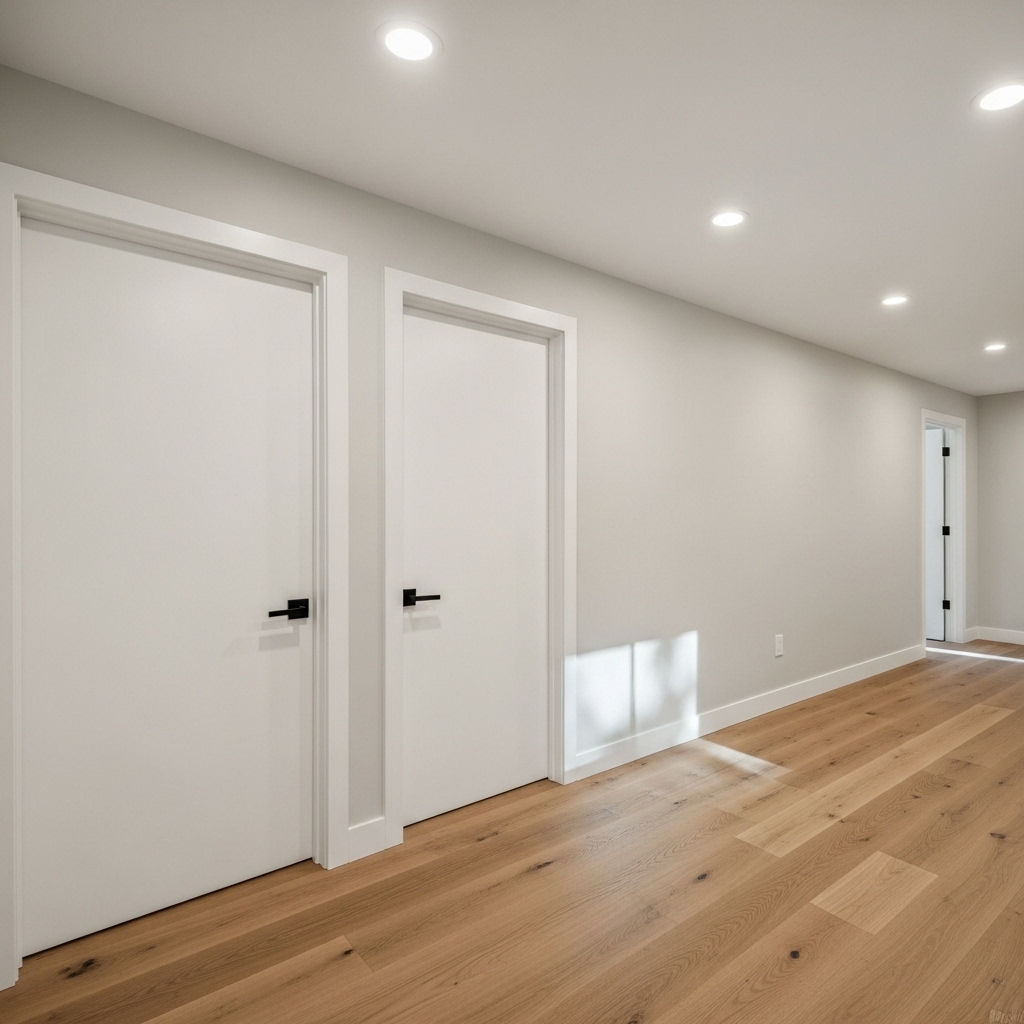
Remodeling in Woodland Hills has a distinct rhythm: mornings that begin with sawdust and coffee, afternoons of sunlight slanting through temporary openings, and evenings when a home slowly starts to feel new again. In that transformation, interior doors play a quiet but crucial role. They shape privacy, absorb sound, and tie together the textures of flooring, cabinetry, and trim. As a local door supplier, we understand how remodels in our neighborhood benefit from thoughtful door choices that feel intentional from the first hinge to the final coat of paint.
Interior doors are more than slabs in frames. They set a tone for daily life—how every room greets you, how sound carries, how light moves. Done well, they make a remodel feel coherent, as if the new kitchen and updated primary suite were always meant to be part of the same story. Our approach is grounded in listening, coordinating with your contractor and designer, and delivering doors that fit the plan, the schedule, and the way you live.
Setting a Design Language
At the start of a remodel, there’s a decision to make about language. Do you want the crisp lines of flat-panel doors that complement slab cabinetry and modern fixtures, or the subtle depth of a five-panel shaker that adds rhythm to hallways? The choice affects casing profiles, baseboards, and even hardware shapes. We help you choose a vocabulary that works across bedrooms, baths, and living spaces so the home reads as a cohesive whole.
For mid-century updates common in parts of Woodland Hills, flush doors with minimal reveals feel authentic and calm. In homes with more traditional bones, a simplified shaker with narrow rails can bridge old and new gracefully. We encourage looking at doors next to flooring samples and cabinet finishes; when materials speak to each other, the remodel feels unified rather than patched.
Sound, Privacy, and Everyday Comfort
Interior doors earn their keep by how they perform. Solid-core construction dampens sound, improving sleep and concentration, especially when bedrooms sit near living areas. Bathrooms benefit from tighter seals and thoughtful undercuts that allow ventilation without compromising privacy. Home offices appreciate glass lites that share daylight while cues like reeded or frosted textures soften views during video calls.
We tailor solutions to lifestyle. Families with small children may prefer soft-closing latches and lever shapes that are easy to operate. Music rooms get additional perimeter seals and heavier cores, while laundry rooms near living spaces might use doors that tame appliance noise. These choices translate daily into a quieter, more comfortable home.
Openings, Frames, and Alignment
Remodels bring surprises—nonstandard openings, walls out of plumb, or varying jamb depths. We measure carefully, coordinate with your contractor on framing adjustments, and specify jambs and casings that bridge differences cleanly. Pocket doors can reclaim space in tight baths and pantries, while barn-style sliders offer visual interest when appropriate. Where wide cased openings are planned, we ensure neighboring swing doors have consistent reveals so the eye reads order, not chaos.
Alignment is a form of kindness to the future. Getting the head heights consistent across a hallway, keeping hinge knuckles in a straight line from room to room, and coordinating undercuts for flooring transitions are small efforts now that yield a polished look later. We treat these details as part of the design, not afterthoughts.
Materials and Finishes That Suit Your Remodel
Paint-grade doors in poplar or MDF skins provide clean, crisp edges for modern profiles and take color beautifully, allowing walls and cabinetry to harmonize. Stain-grade options in hemlock, oak, or walnut add warmth and texture, particularly when they echo elements like stair treads or built-ins. For a coastal-modern vibe popular in some remodels, white oak with a soft matte finish brings natural calm without heaviness.
Hardware finishes tie everything together. Black, brass, and satin nickel each tell a different story, and their interaction with faucet finishes and lighting matters. We mock up combinations so you can see how a lever looks against the door color and how it feels in hand. Good hardware becomes a tactile pleasure, a small daily reminder that the remodel paid attention to the details that matter.
Glass, Light, and Privacy
Glass lites in interior doors can share daylight between rooms without creating fishbowl moments. Reeded or frosted glass in office doors keeps focus while preventing the sense of isolation that solid doors can bring. For hallways that feel dim, adding a pair of glazed doors to a den or dining room can transform the mood. In bathrooms, narrow lites with privacy glass admit borrowed light while respecting intimacy. We frame these choices around how you use each room and what you want to feel as you move through the home.
Even closet doors deserve attention. Mirror-faced panels can enlarge small bedrooms, while ventilated doors can serve laundry cabinets or utility spaces. When closets share walls with living spaces, solid-core construction and good latching prevent chatter and rattles that chip away at a home’s sense of calm.
Sequencing and Schedule
Remodels rely on rhythm. We coordinate lead times so doors arrive when paint and flooring are ready, not weeks too early or days too late. Pre-hanging and pre-finishing can compress the schedule and improve quality by keeping work off the active jobsite. When a wall shifts or an opening changes—because remodels do that—we adapt the package with clear communication, avoiding last-minute scrambles that cause delays.
Because we are close by, we can visit the site to confirm tricky conditions and provide quick answers. That local presence is as valuable as any product feature; it’s how a project stays calm when surprises arise. A responsive door supplier makes a remodel feel coordinated rather than chaotic.
Stories from Local Remodels
In a ranch-style home near the Warner Center, a family opened walls to create an airy kitchen and living area. We used flat-panel interior doors with narrow reveals and satin black levers that echoed cabinet pulls. The bedrooms gained solid-core slabs that softened noise from the bustling great room, and a glass-paneled office door kept parents connected while working. The result felt modern and purposeful without losing the home’s original warmth.
Another project transformed a dated hallway by aligning head heights and casings across all doors, switching to a soft white paint that contrasted gently with light oak floors. The unified rhythm changed how the hallway felt—quieter, more intentional—proving that interior doors can subtly reshape a home’s personality.
Care and Longevity
Interior doors ask for little and return a lot. Wipe surfaces with gentle cleaners, tighten hinge screws as the house settles, and check strikes if latching feels off. Solid-core doors hold their shape well, and a small seasonal adjustment is often all that’s needed to restore that satisfying close. If you’ve chosen stain-grade doors, an occasional touch-up on edges or high-contact areas keeps them looking fresh for years.
Working with Your Team
We collaborate with designers and contractors to ensure the door package serves the larger vision. Shop drawings, hardware schedules, and finish samples keep everyone aligned. When installers arrive, they know which doors go where, how they swing, and what hardware they receive. That clarity shows in the finished work—clean reveals, quiet operation, and details that line up throughout the home.
Frequently Asked Questions
Q: Should I choose solid-core doors for bedrooms and offices? A: Yes, solid-core doors reduce sound transmission and feel substantial in use. They are a common upgrade in remodels focused on comfort and quality.
Q: Can interior doors include glass without sacrificing privacy? A: Absolutely. Reeded or frosted glass allows daylight to pass while softening views. Narrow lites and strategic placement can maintain privacy where it matters.
Q: How do you handle nonstandard openings in older homes? A: We measure carefully, adjust jambs and casings to suit the wall conditions, and provide custom sizes where needed so every door fits and operates properly.
Q: What hardware finishes are popular right now? A: Brass with a soft sheen, matte black, and satin nickel remain strong choices. The best finish is the one that harmonizes with your fixtures and lighting, not just what’s trending.
Q: Can you coordinate pocket and barn doors in the same project? A: Yes. We ensure hardware, head heights, and trim details align so the home reads as one cohesive design, even with varied door types.
Q: How early should doors be ordered during a remodel? A: Early coordination is key. Once design and measurements are set, ordering allows for pre-hanging and pre-finishing to streamline the schedule and reduce on-site variables.
Q: Do you provide on-site support? A: We do. As a local partner, we can visit to confirm conditions, answer questions, and assist with adjustments, ensuring the final result meets expectations.
If your remodel is ready for interior doors that elevate comfort, quiet, and style, we’re ready to help. Bring us your plans and inspiration, and we’ll turn them into a door package tailored to your home. Reach out today to our Woodland Hills-based local door supplier team and let’s make your remodel feel complete from the first turn of a lever to the last satisfied close.