Wood Door Supplier in Woodland Hills, California for Custom Homes

Eco Friendly Patio Doors Choices in Woodland Hills, California
November 18, 2025
Commercial Door Supplier in Woodland Hills, California for Offices
December 3, 2025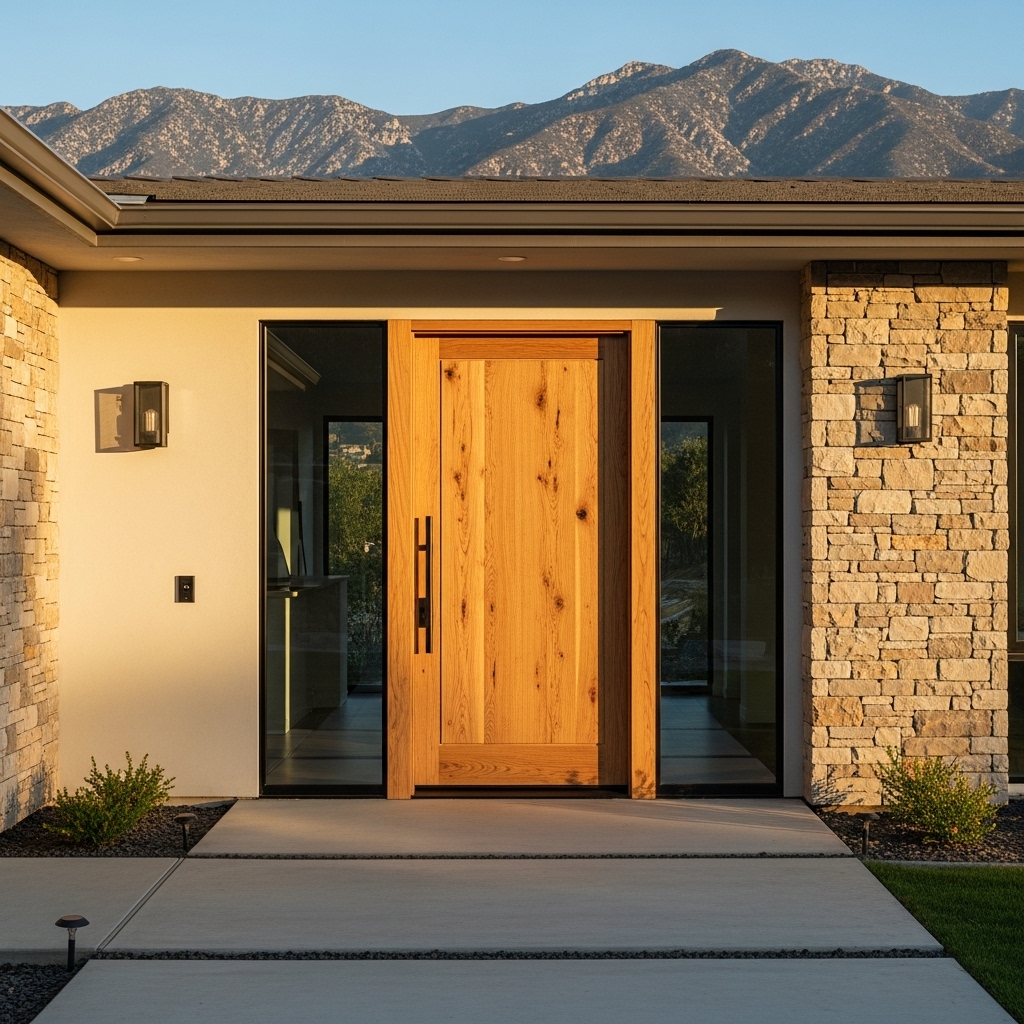
There is a certain satisfaction that comes from closing a solid wood door and feeling its weight settle into the frame. In Woodland Hills, where hillside views meet warm, breezy afternoons and custom homes reflect personal stories, the right entry or interior wood door does more than close a room; it sets a tone for the entire residence. As a longtime local resource, we understand how architecture here is shaped by sun, shade, and the Santa Monica Mountains, and how homeowners want their doors to be both functional and beautiful. That’s why working with a knowledgeable local partner matters. As a Woodland Hills door supplier, we approach each custom home with a detailed conversation about style, performance, and the way a door will live day to day in your space.
When you stand at the curb of a quiet cul-de-sac in Walnut Acres or along a winding street toward Mulholland, you can sense how wood plays naturally with stucco, stone, and smooth concrete landscapes. Wood doors bring warmth that complements indoor-outdoor living, and they can be tailored to match trim profiles, window grids, and other design cues on the property. The finer points—grain, joinery, finish, hardware prep—come together to create a door that feels like it has always belonged. That feeling is not an accident; it comes from careful planning and collaboration.
Understanding Wood in the Woodland Hills Climate
Local climate shapes material choices. Woodland Hills can have warm summers with strong sunlight, cool evenings, and seasonal winds. Wood species react differently to these conditions, and a smart selection early on saves time later. Dense hardwoods like mahogany and white oak provide stability and accept a range of finishes, while vertical-grain fir brings a clean, contemporary look with linear texture. For south-facing entries that see direct sun, we often recommend species and finish systems that offer dimensional stability and UV resistance, along with thoughtful overhang design to reduce weathering. When a home sits in a shaded canyon, we talk about moisture management, threshold details, and bottom rail protection to handle morning dew or occasional storms.
Every conversation eventually touches on movement—how wood expands and contracts and how to design for it. Engineered stiles and rails, stave cores, and proper sealing of all six sides help a door stay true across seasons. We also consider site conditions like over-spray from irrigation, which can damage finish over time. Protecting a beautiful door is about more than the species; it’s about installing it in a way that respects how nature behaves in our neighborhood.
Design That Matches Architecture
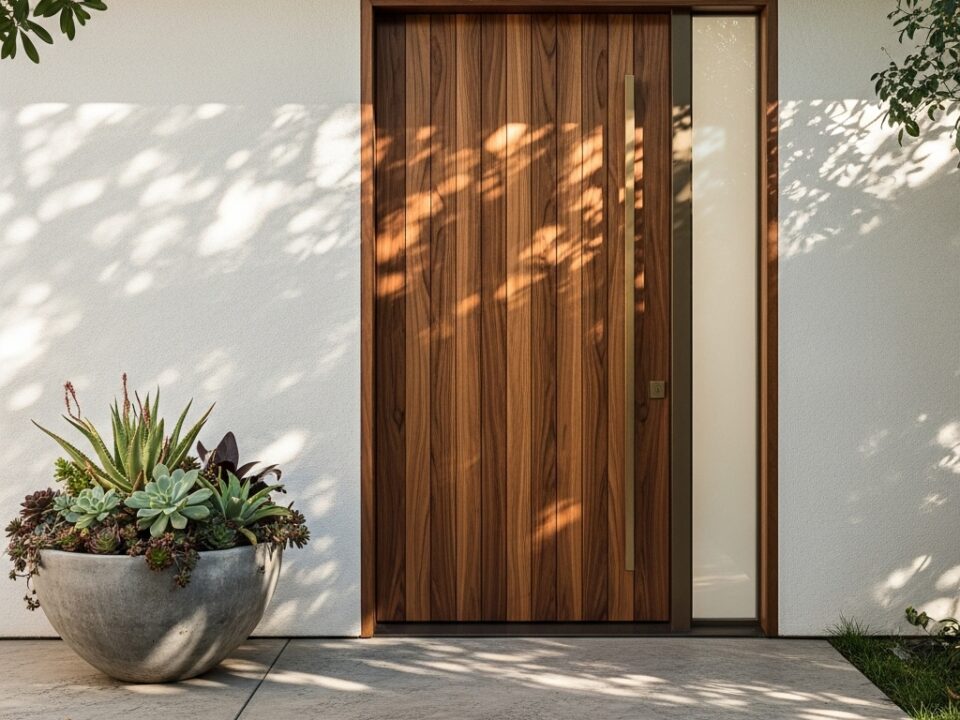
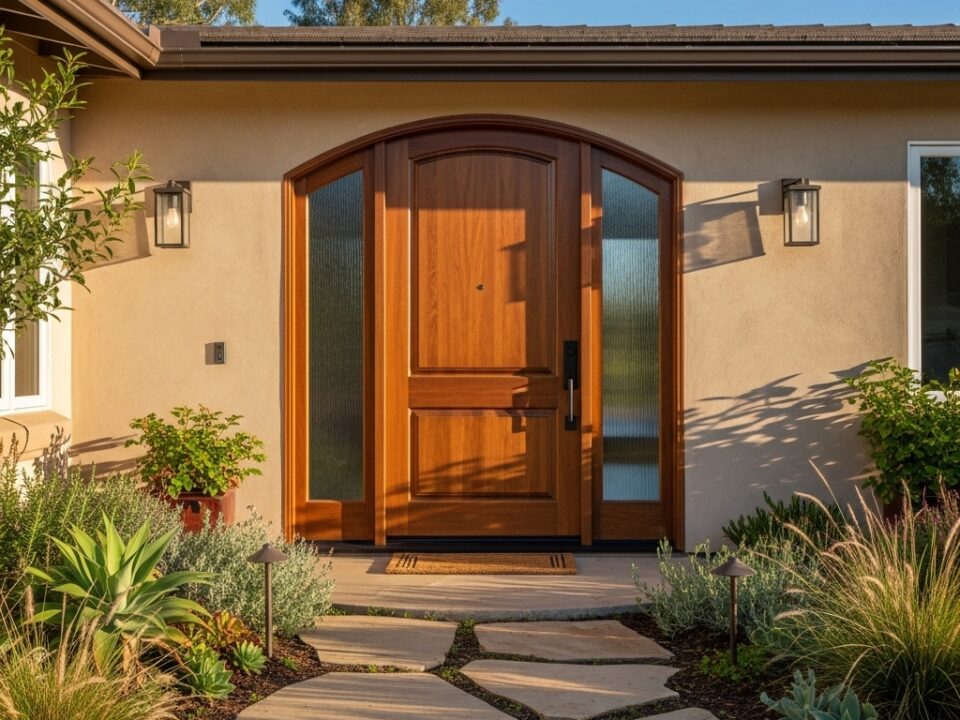
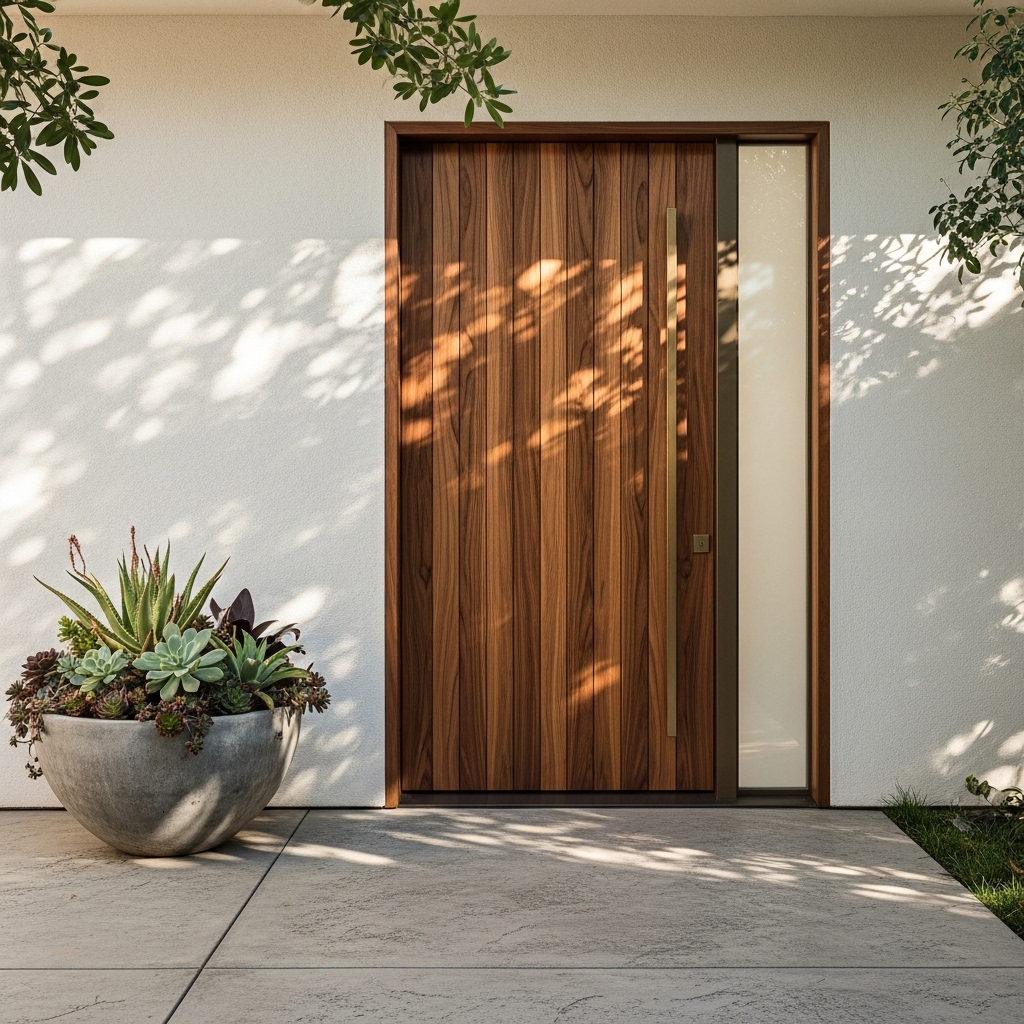
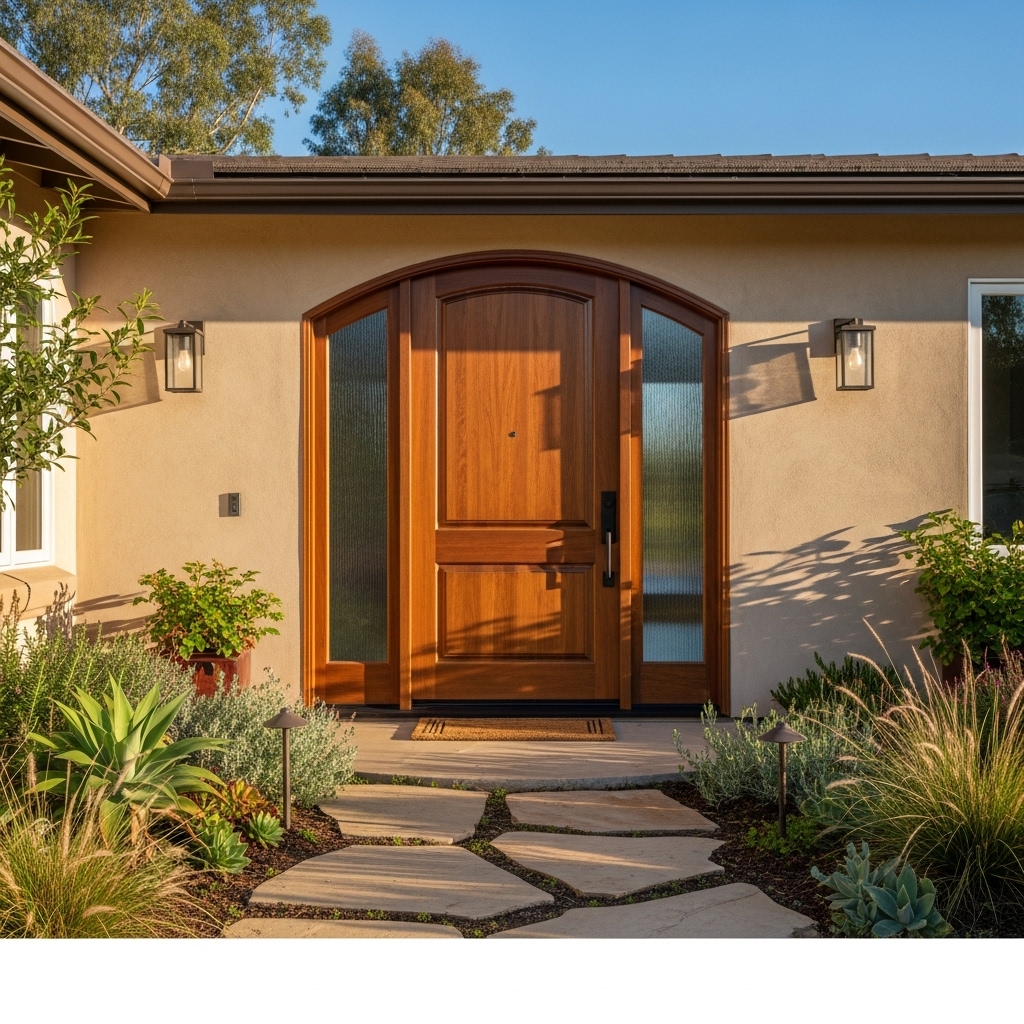
Custom homes in Woodland Hills often blend influences: a heavy timber pergola next to sleek steel railings, a breeze-block wall near a smooth plaster façade. Doors should harmonize with those choices. A wide-plank, flush-panel pivot door suits a modern hillside home with expansive glass, while an arched, raised-panel double-door set with hand-forged hardware might belong to a Mediterranean-inspired residence near the boulevard. Sightlines matter; the stiles and rails should align with window mullions inside the foyer, and the panel profiles should echo cabinet details or fireplace mantels. Those subtle echoes make the whole house feel intentional, not accidental.
We take time to map the path of light. Morning rays can set a white oak door aglow and reveal a cathedral grain that reads like artwork. Afternoon sun can create sharp contrasts, so sometimes a satin finish makes more sense than high gloss. For doors that open to pool decks or courtyards, we think about slip-resistant thresholds, weather seals that don’t detract from the look, and low-maintenance finishes that still showcase natural grain.
Customization: Dimensions, Profiles, and Glass
Custom homes rarely accept off-the-shelf sizing. Wider openings call for oversized slabs or paired doors, and tall foyers invite transoms that extend the vertical line. We coordinate with builders to confirm rough openings, jamb depths, and hinge backing in the framing so heavy doors operate smoothly. If you love the drama of a pivot door, we’ll discuss closer settings, floor hardware cover plates, and sweep clearances with area rugs. For traditional swing doors, we consider the hinge count, backset options for hardware, and the way the knob or lever complements the stile width.
Profiles tell a story. A square sticking with flat panels looks crisp in contemporary homes, while a Roman ogee or ovolo pairs well with classic trims. Glass choices broaden the palette—clear low-iron for clarity, seeded for character, reeded for privacy. In sunny entries, we often propose laminated glass for UV mitigation and security while keeping the design light. The goal is to balance transparency and privacy so your foyer feels bright without becoming a display window.
Finish and Craft
A wood door’s finish is both shield and showcase. The right system begins with surface preparation—sanding in the direction of the grain, rounding edges slightly to help finishes cling, and sealing end grain thoroughly. Oil-modified finishes enhance warmth, while waterborne systems keep tones natural and resist yellowing. For walnut and darker species, we often recommend a clear, low-sheen finish that lets the grain read without glare. On lighter oaks, a subtle whitewash can harmonize with pale floors while preserving the figure.
For entries with minimal overhang, we talk about finish maintenance intervals and how to refresh the surface before degradation becomes a bigger project. Our shop can pre-finish to control quality, and on-site touch-ups maintain the envelope. Interior doors get equal care—paint-grade poplar with crisp edges for modern profiles, or stain-grade hemlock where a calm, even grain is desired.
Hardware, Performance, and Everyday Use
Hardware is the handshake of your door. We coordinate backsets, hinge types, and strike plates with the door’s construction and weight. Soft-close pivot systems, concealed hinges for a minimalist look, or traditional ball-bearing hinges for timeless reliability—each has a place. We also consider smart lock integration, power transfers for electronic strikes, and how the door seals against weather without feeling heavy or sticky when you open it on a warm afternoon.
Performance goes beyond the moment of installation. Sound attenuation, energy efficiency, and security all play roles in a custom home. We can discuss solid cores for interior doors around media rooms, smoke-seal kits for utility spaces, and sill systems that keep conditioned air where it belongs. For homes situated along busier corridors, laminated glass and tighter weatherstripping can quiet the foyer without losing the beauty of a wood door.
Local Process: From Idea to Installation
Bringing a custom wood door to life begins with sketches and references. Clients often share a photo from a trip or an architectural detail they love, and we translate that into a buildable design. Shop drawings mark dimensions, profiles, hinge and hardware preps, and glass types. We coordinate with general contractors and finishers so the chain of custody is clear and the schedule is realistic. On delivery day, the door arrives protected and labeled, with care guidelines and touch-up materials.
Installation is a craft of its own. We stay involved during site visits to confirm plumb, level, and proper reveals. Weatherstrip placement, threshold height, and sweep adjustment are tuned so the door feels right from the first close. Afterward, we check in to make sure seasonal changes haven’t altered the feel, and we provide guidance if adjustments are needed. The relationship doesn’t end when the door swings for the first time; it continues as the home settles and seasons turn.
Stories from the Neighborhood
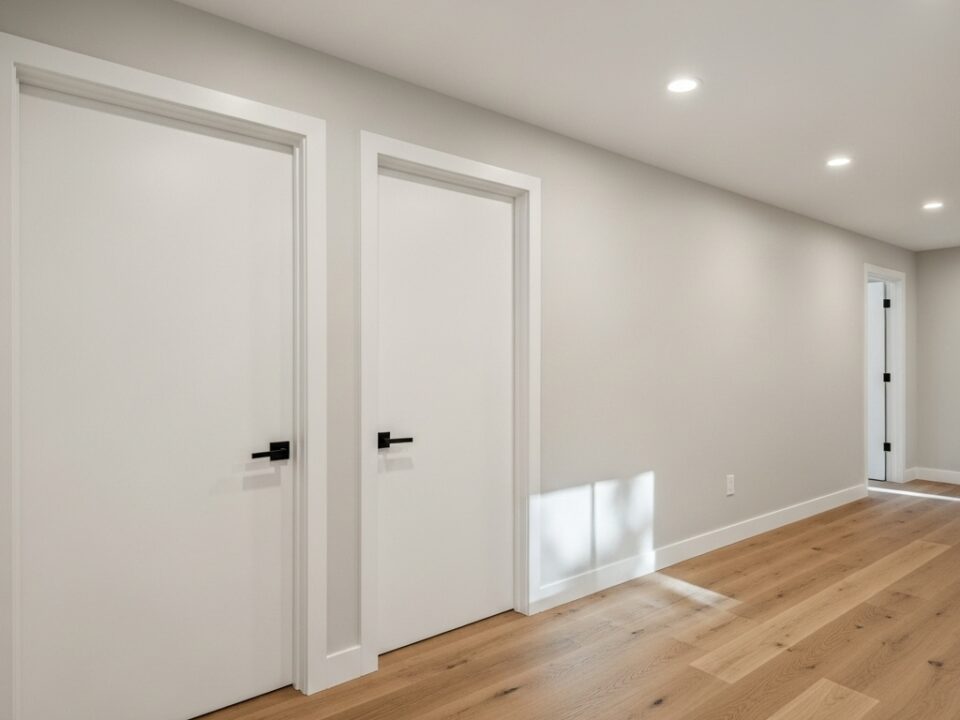
One hillside home near DeSoto needed an entry that matched a bold, linear façade and a sculptural stair inside. We sourced quartered white oak for a consistent grain, designed a flush plank layout with a vertical glass reveal, and set the door on a pivot with a soft-close system. The result felt like a quiet invitation—modern, but warm. Another homeowner in Walnut Acres restored a mid-century gem. We collaborated on a thin-stile, full-lite door with reeded glass to filter sunlight into the living room while preserving privacy from the street. Inside, matching slab doors with minimalist hardware created a cohesive language throughout the home.
In each case, success came from careful listening, good drawings, and respect for the way wood behaves. The homes feel more complete because the doors contribute to the architecture rather than compete with it.
Sustainability and Responsible Sourcing
Choosing wood thoughtfully is part of good stewardship. We discuss responsibly sourced species and engineered cores that reduce waste while enhancing stability. High-quality construction means doors last longer and require fewer replacements, which is an environmental benefit as much as a practical one. Finishes with low VOCs keep indoor air quality high, and precise weathersealing helps reduce energy use. There is a quiet satisfaction in building something that is both beautiful and considerate of the planet that made it possible.
Working with a Local Team
Custom homes rely on coordination. In Woodland Hills, the difference between a door that looks acceptable and a door that feels extraordinary often comes down to how well the supplier, builder, and finisher communicate. We keep a close eye on field conditions, from verifying slab thickness at the jamb to setting the proper reveal between the door and the floor. We also plan for the long term—what happens when the home gets fresh landscaping and the irrigation changes, or when a new rug sits under the swing path? Those questions shape decisions about sweeps, thresholds, and clearances so you don’t have to second-guess them later.
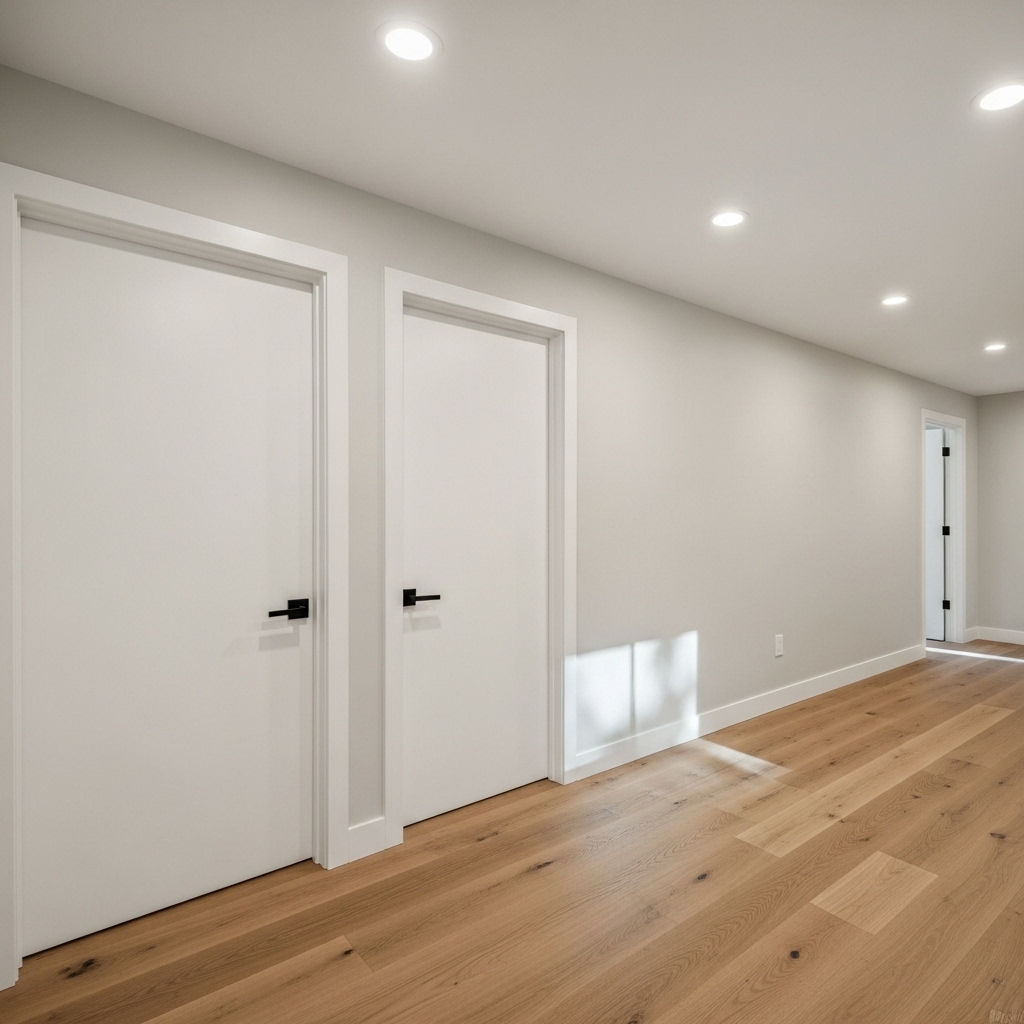
Midway through most projects, we revisit options to confirm they still align with the evolving design. Sometimes a client decides a smaller stile will make the glass feel more generous, or a different panel profile will better echo the kitchen cabinetry. That’s the advantage of working with a local partner: we can adjust while the project is still fluid, not after everything is fixed in place. It’s this nimble, collaborative process that sets a knowledgeable door supplier apart.
Care and Maintenance
Any natural material deserves care. We talk through how to clean finishes without stripping protective layers, and how to observe subtle signs—fine checking in sun-exposed areas, dryness at the bottom rail—that tell you it’s time for a tune-up. A gentle schedule of cleaning and occasional re-coating keeps a door looking like new. Interior doors appreciate attention, too; a slight hinge adjustment or latch strike tweak can restore that satisfying close. Good care is simple when you know what to look for, and we make sure you do.
Bringing Your Vision to Life
In the end, a door is the touchpoint you and your guests experience daily. It’s an introduction to your home and a detail you should never have to compromise. Whether you’re envisioning a calm, minimalist entry with impeccably aligned reveals or a richly detailed, hand-carved double door that reflects old-world craft, we can translate that vision into a finished piece that belongs to your home and your life.
Frequently Asked Questions
Q: What wood species hold up best for exterior doors in Woodland Hills? A: Dense hardwoods such as mahogany and white oak are popular for their stability and finish versatility. Vertical-grain fir is also valued for its linear texture but benefits from good overhang and a robust finish system. We pair species with site conditions, sun exposure, and desired color tone to determine the best fit.
Q: Can you match new wood doors to existing millwork and trim profiles? A: Yes. We collect samples and measurements, then translate those into profiles for stiles, rails, and panel sticking so the new doors feel integrated with your existing casings, baseboards, and cabinetry details.
Q: How do pivot doors perform compared to hinged doors? A: Pivot doors create a striking look and handle larger, heavier slabs well. With modern closers and seals, they operate smoothly and can be weather-tight when designed properly. Hinged doors remain excellent for traditional entries and offer broad hardware choices. The best option depends on your opening size, aesthetic, and usage patterns.
Q: What glass options provide privacy without losing daylight? A: Reeded, seeded, and satin-etched glass bring in light while softening views. Laminated glass can add security and reduce UV transmission. We often combine glass types with thoughtful layout to balance privacy at the street with openness inside the foyer.
Q: How do you help ensure longevity of the finish? A: We recommend pre-finishing under controlled conditions, sealing all six sides of the door, and using finish systems appropriate to sun exposure. We also provide care guidelines so you can refresh the topcoat before the surface weathers, extending the life of the finish.
Q: Do you coordinate with builders and designers during construction? A: Absolutely. We provide shop drawings, confirm rough openings and jamb depths, and stay available for field coordination so installation day goes smoothly and the finished door operates as intended.
Q: Can you provide solid-core interior doors for sound control? A: Yes. Many clients specify solid-core slabs for bedrooms, offices, and media rooms to reduce sound transmission. We pair them with appropriate seals, undercuts, and hardware to create a quiet interior environment.
Q: What should I consider for doors in sun-exposed locations? A: Think about overhang depth, species selection, finish system, and glass type. We’ll also review sealing of bottom rails, sweep choice, and maintenance intervals to protect the door from intense UV and heat.
When you are ready to discuss your project, we make the process straightforward, personal, and aligned with your timeline. Share a sketch, a photo, or simply an idea, and we will guide you through species, profiles, finishes, and hardware so your home’s first impression feels unmistakably yours. To begin, connect with a trusted local partner who understands Woodland Hills, respects craftsmanship, and values clear communication from start to finish. Reach out today to our experienced local door supplier team, and let’s craft a wood door that welcomes you home every single day.